Excavators work hard every day. Many operators ignore bucket teeth wear. The problem grows slowly. Worn teeth reduce digging power. They also increase fuel consumption and machine stress.
I replace excavator bucket teeth when they lose about 30–40% of their original size, show cracks, or reduce digging performance. Early replacement protects the bucket lip, improves penetration, and keeps the excavator working efficiently.
I remember one project with an Australian contractor. The team delayed replacing the bucket teeth to save money. Later the worn teeth exposed the adapter. The bucket lip was damaged. The repair cost became much higher than replacing the teeth earlier.
[Table of contents]
- Why do excavator bucket teeth need replacement?
- What signs show that bucket teeth should be replaced?
- How do worn bucket teeth affect excavator performance?
- How do I choose the right replacement bucket teeth?
- How often should bucket teeth be replaced in different conditions?
Why Do Excavator Bucket Teeth Need Replacement?
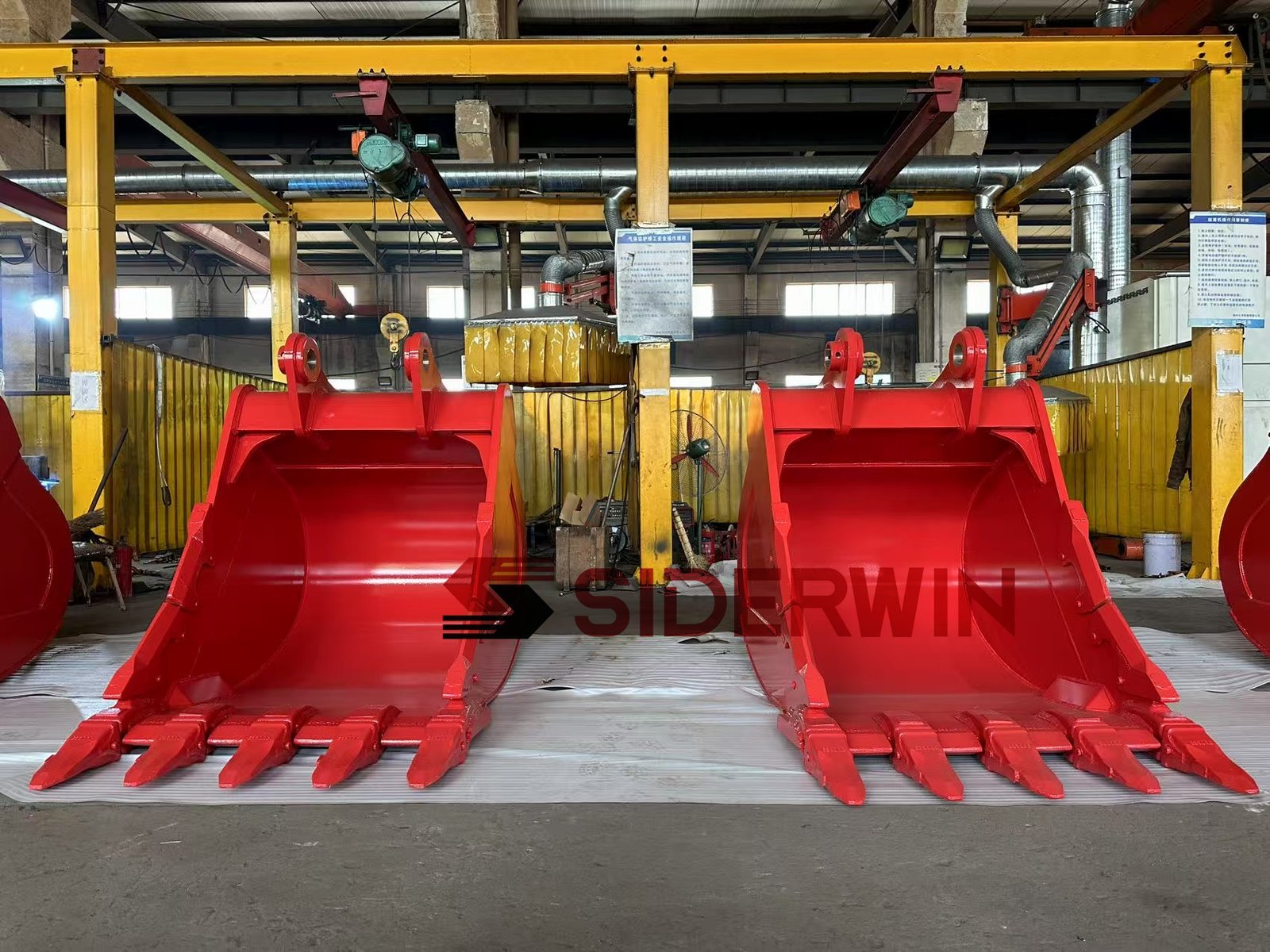
Excavator bucket teeth directly contact soil, rock, and gravel during digging. These materials create friction and impact. Over time the metal surface slowly wears down.
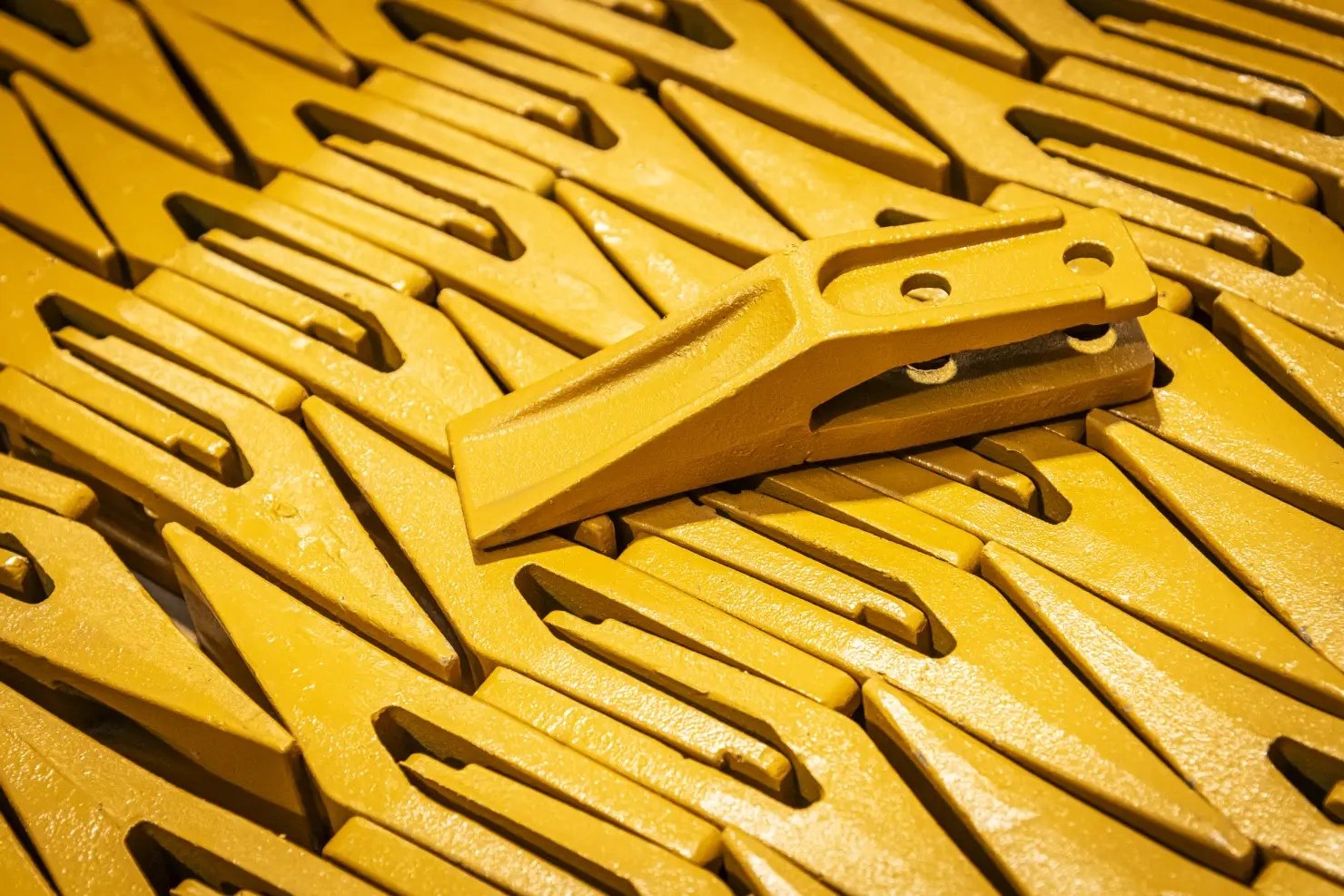
Excavator bucket teeth need replacement because continuous abrasion and impact reduce their length, thickness, and strength. When the tooth becomes too short or thin, it loses penetration ability and may expose the bucket adapter.
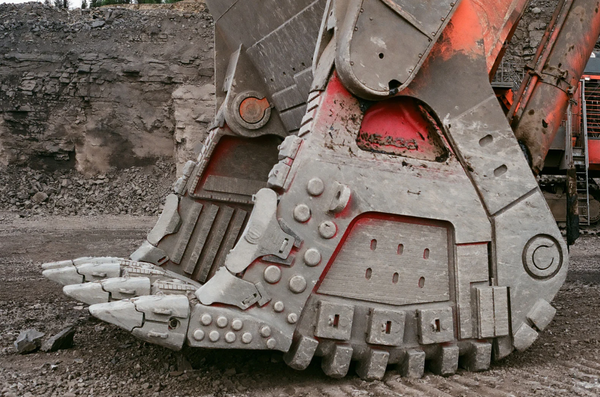
How wear happens during excavation
Every digging cycle creates friction between the tooth tip and the ground. The tooth tip receives the highest pressure. As a result, it wears faster than other parts.
Different materials cause different wear rates.
| Material | Wear Speed | Reason |
|---|---|---|
| Clay | Slow | Soft soil |
| Sand | Medium | Abrasive particles |
| Gravel | Fast | Sharp edges |
| Hard rock | Very fast | Strong impact |
I often discuss this with contractors like Andri from Australia. Their piling foundation projects involve gravel and rock layers. In those conditions bucket teeth wear much faster.
Why early replacement saves money
Some contractors delay replacement. They want to use the tooth until it completely fails. This approach often increases total cost.
| Problem | Result |
|---|---|
| Poor penetration | Higher fuel consumption |
| More digging cycles | Lower productivity |
| Adapter exposure | Expensive bucket repair |
Bucket teeth are wear parts. Bucket lips and adapters are structural parts. Structural repairs cost much more.
What Signs Show That Bucket Teeth Should Be Replaced?
Operators work with excavators every day. However small wear changes are easy to ignore during busy projects.
Common signs that bucket teeth need replacement include shortened length, flat tooth tips, visible cracks, loose teeth, and exposed adapters. These signs indicate that the tooth has lost its designed digging performance.
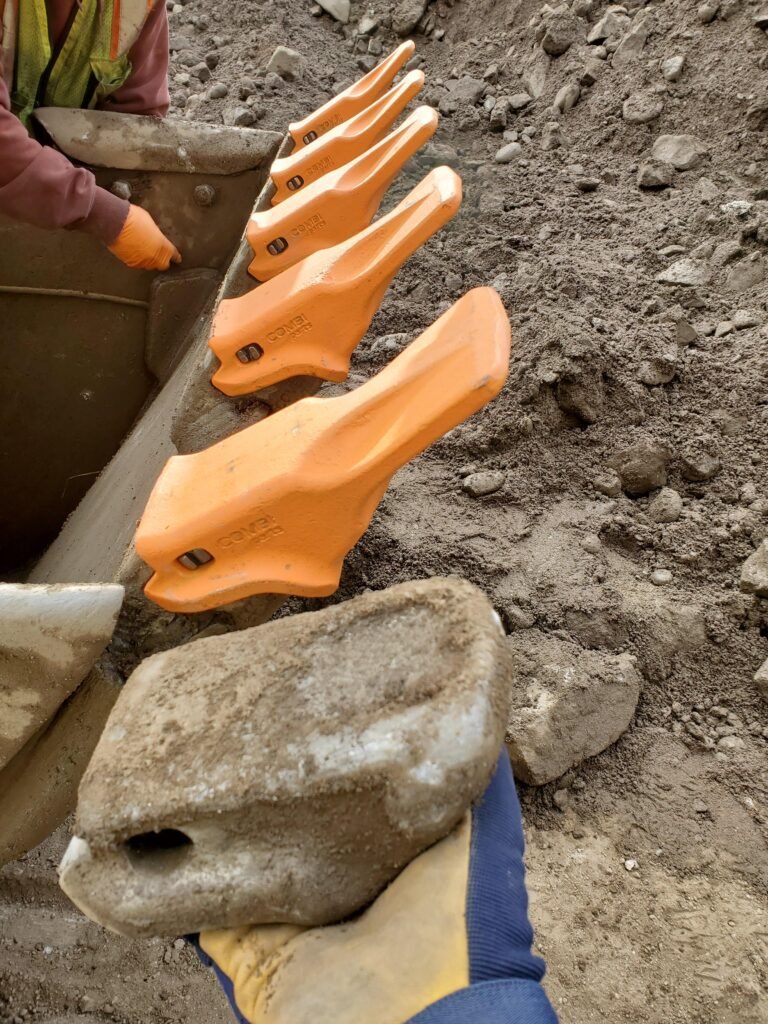
Visual wear inspection
I usually recommend checking three key areas.
| Inspection Area | What to Look For |
|---|---|
| Tooth tip | Rounded or blunt |
| Tooth body | Reduced thickness |
| Adapter connection | Loose or movement |
A sharp tooth cuts soil easily. A worn tooth pushes soil instead of cutting.
Structural damage
Sometimes damage appears before extreme wear.
| Damage Type | Cause |
|---|---|
| Cracks | Strong impact with rocks |
| Broken tip | Heavy digging load |
| Loose tooth | Worn locking pin |
When cracks appear, I always recommend replacing the tooth immediately. A broken tooth can damage the adapter or fall into crushers.
Performance changes
Machine performance also reveals wear problems.
Operators may notice:
- Slower digging speed
- Higher throttle use
- Increased fuel consumption
- Stronger vibration
These signs often appear before severe visual damage.
How Do Worn Bucket Teeth Affect Excavator Performance?
Many buyers focus only on the purchase price of bucket teeth. However worn teeth affect the entire excavator system.
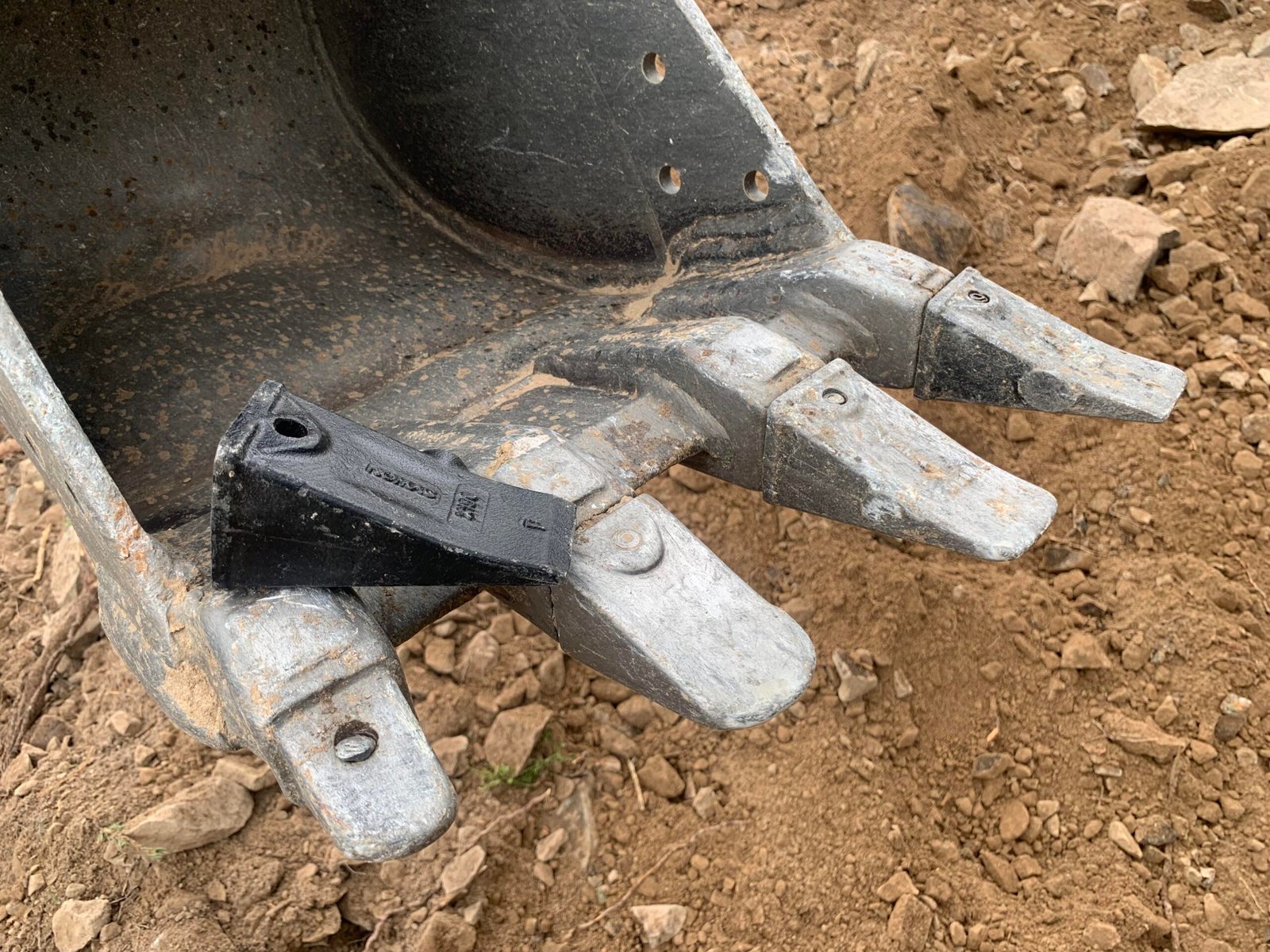
Worn bucket teeth reduce digging penetration and increase resistance. This forces the excavator to use more hydraulic power and fuel, which lowers productivity and increases machine wear.
Reduced digging efficiency
Sharp teeth concentrate force on a small point. This design helps the tooth penetrate soil quickly.
When the tooth becomes blunt, the contact area becomes larger.
| Tooth Condition | Digging Result |
|---|---|
| New | Easy penetration |
| Medium wear | Moderate resistance |
| Heavy wear | Difficult digging |
This small change becomes significant in large construction projects.
Increased fuel consumption
Harder digging requires more machine power.
| Factor | Impact |
|---|---|
| Higher throttle | Increased fuel use |
| Longer digging cycles | Reduced efficiency |
| Machine strain | Faster component wear |
Fuel cost can rise quickly on long projects.
Stress on machine components
Worn teeth also increase load on the excavator.
Possible effects include:
- Higher hydraulic pressure
- Increased vibration
- Faster wear on pins and bushings
Replacing teeth on time helps protect the entire machine.
How Do I Choose the Right Replacement Bucket Teeth?
Choosing the right replacement tooth is just as important as replacing it at the right time.
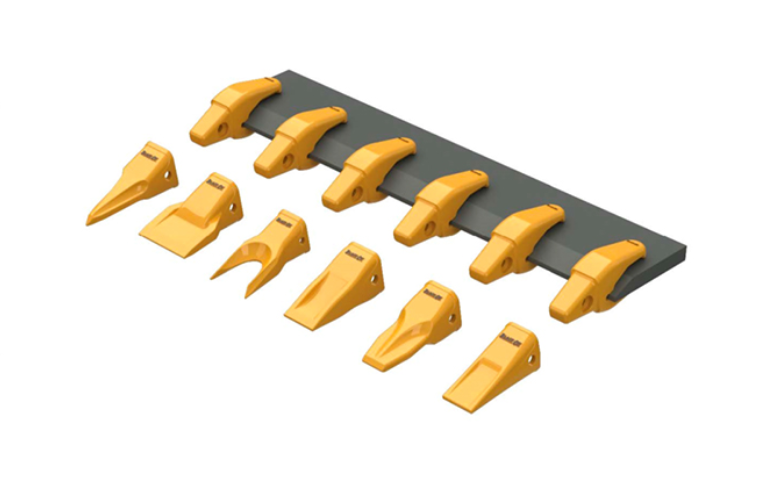
The correct bucket teeth depend on the excavator model, adapter system, working material, and required durability. Proper selection improves digging efficiency and extends tooth life.
Matching the adapter system
Every excavator bucket uses a specific adapter design.
Common systems include:
| System | Equipment |
|---|---|
| CAT J series | Caterpillar excavators |
| Komatsu system | Komatsu machines |
| ESCO system | Mining equipment |
Using the correct system ensures safe installation.
Choosing the right tooth type
Different jobs require different tooth shapes.
| Tooth Type | Application |
|---|---|
| Standard tooth | General construction |
| Rock tooth | Hard rock digging |
| Tiger tooth | High penetration work |
| Heavy-duty tooth | Mining operations |
Piling contractors often choose rock teeth because they need strong penetration.
Material and heat treatment
Material quality strongly affects wear resistance.
Good bucket teeth normally use alloy steel with proper heat treatment. This process balances hardness and toughness.
High hardness improves wear resistance. However excessive hardness may cause brittleness. Good manufacturers maintain a balance.
How Often Should Bucket Teeth Be Replaced?
The replacement interval depends on working conditions.
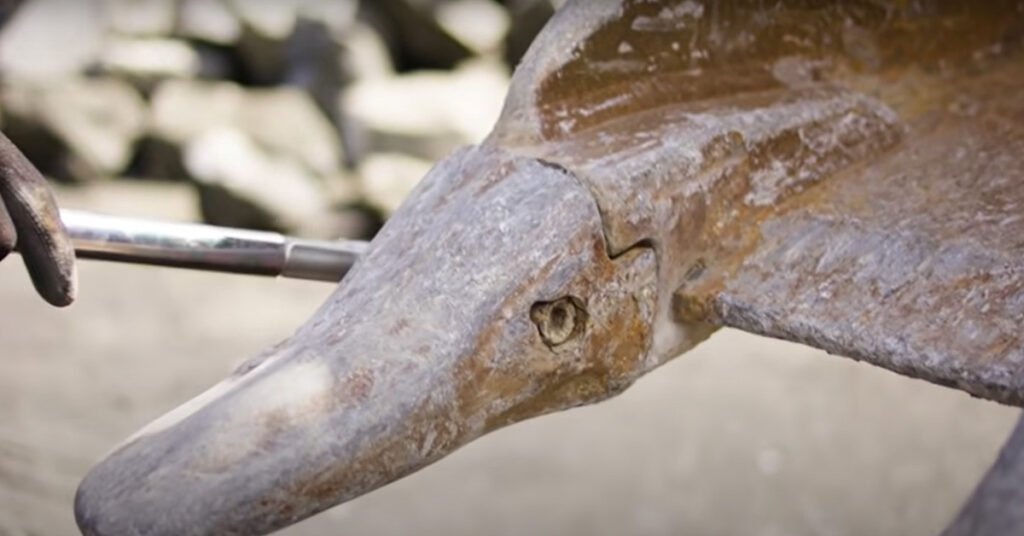
Bucket teeth replacement frequency depends mainly on soil conditions, working hours, and operator technique. Soft soil allows longer service life, while rock excavation may require replacement every few weeks.
Typical replacement cycles
Based on my experience with construction contractors, bucket tooth lifespan varies widely.
| Application | Typical Lifespan |
|---|---|
| Soft soil excavation | 3–6 months |
| Sand and gravel | 1–3 months |
| Quarry work | 2–4 weeks |
| Hard rock mining | 1–2 weeks |
Actual life depends on project intensity.
Operator technique matters
Different operators produce different wear levels.
Important factors include:
- Digging angle
- Machine speed
- Bucket filling method
Experienced operators usually extend tooth life.
Recommended inspection routine
Regular inspection helps prevent sudden failures.
| Inspection Time | Task |
|---|---|
| Daily | Quick visual check |
| Weekly | Check wear level |
| Monthly | Replace worn teeth if needed |
A simple inspection routine reduces downtime and repair cost.
Conclusion
Replacing bucket teeth at the correct time improves digging efficiency, protects the bucket structure, and reduces long-term operating costs for excavators in construction and piling projects.