Machines slow down when edges wear out. I have seen projects delayed because of this small part. Many buyers ignore it at first. Then downtime and cost increase fast.
A loader bucket cutting edge is a replaceable steel plate at the bucket lip that protects the base edge, improves penetration, and controls wear, which helps maintain efficiency and reduce long-term operating cost.
I remember one project in Indonesia. The client used low-grade edges. Machines stopped often. After we changed the edge type, performance improved within days.
Table of contents
- Function of cutting edge
- Materials
- How to choose
- Wear and maintenance
- Cost impact
- Common mistakes
- Installation guide
- Replacement frequency
- Sourcing from China
What is the function of a loader bucket cutting edge?
Many people think it is just a simple wear part. I also thought so at the beginning.
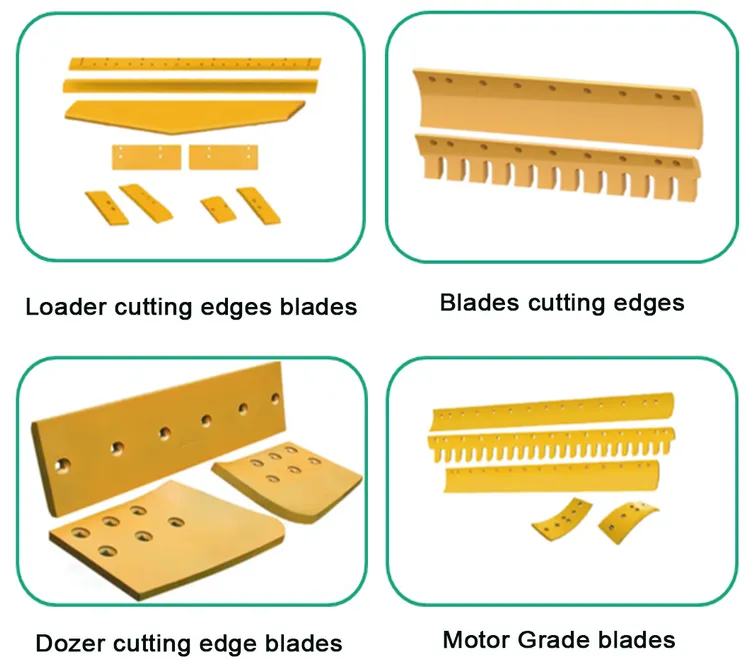
The cutting edge protects the bucket structure, improves digging efficiency, and reduces wear on the base metal, which helps extend service life and maintain stable machine performance.
How does it protect the bucket?
The cutting edge takes direct contact with material.
It absorbs abrasion from sand, soil, and rock. It protects the bucket lip from damage. Without it, repair cost increases fast.
How does it improve digging performance?
A sharp edge cuts into the ground easily.
It reduces resistance. It improves digging speed. It also lowers fuel consumption.
Why is it replaceable?
This design reduces cost.
You only replace the worn edge. You do not replace the full bucket.
Function summary
| Function | Result |
|---|---|
| Protection | Longer bucket life |
| Penetration | Better efficiency |
| Wear control | Lower maintenance |
| Replaceability | Cost saving |
What materials are used for loader bucket cutting edges?
Material choice directly affects performance. I learned this from many field cases.
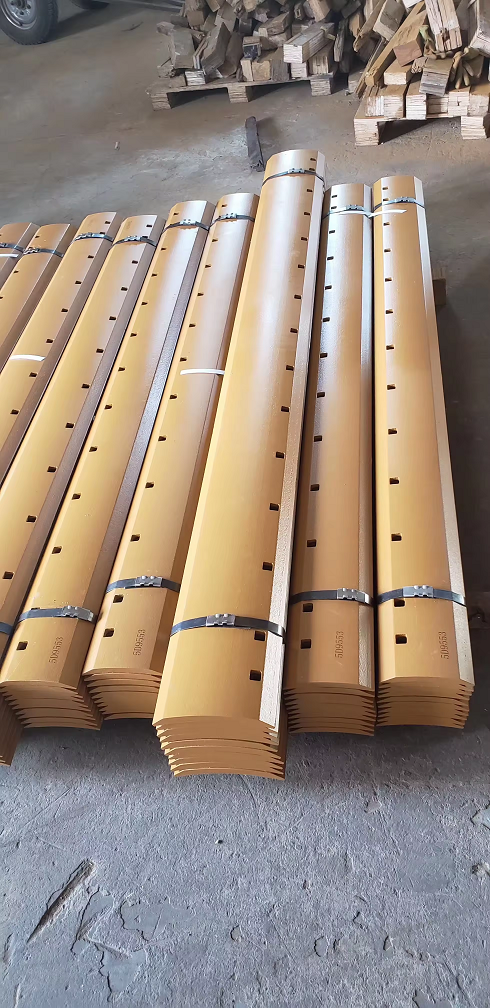
Cutting edges are made from high carbon steel, boron steel, or alloy steel, and they are heat treated to balance hardness and toughness for different working environments.
Common materials
| Material | Feature | Application |
|---|---|---|
| High carbon steel | Basic hardness | Light duty |
| Boron steel | High wear resistance | Heavy duty |
| Alloy steel | Balanced performance | Mixed use |
Why hardness balance matters
If hardness is low, wear is fast.
If hardness is too high, cracks may happen.
So I always suggest a balanced solution.
Heat treatment impact
Heat treatment improves structure.
It increases wear resistance. It also keeps enough toughness.
Real project insight
A client in Australia used low-grade material.
The edge lasted one week. After switching to boron steel, life increased to three weeks.
How do you choose the right cutting edge for your loader?
Many buyers feel confused here. There are too many options.
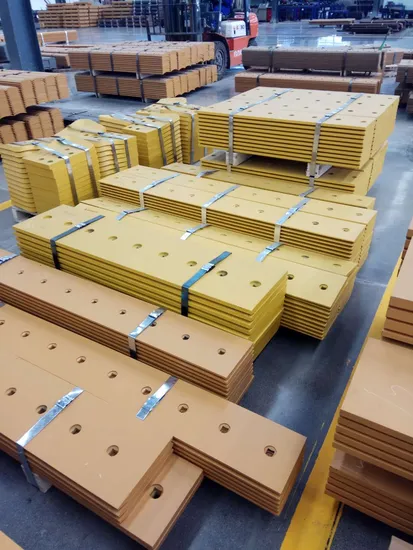
You should choose based on machine size, working condition, material type, and budget, because these factors define the correct thickness, hardness, and edge design.
Key selection factors
| Factor | Details |
|---|---|
| Machine | Size and power |
| Material | Soil, sand, rock |
| Work load | Daily hours |
| Budget | Cost vs life |
Thickness decision
Thicker edges last longer.
Thinner edges cut better.
You need a balance between wear life and efficiency.
Edge types
| Type | Advantage |
|---|---|
| Straight | Simple and common |
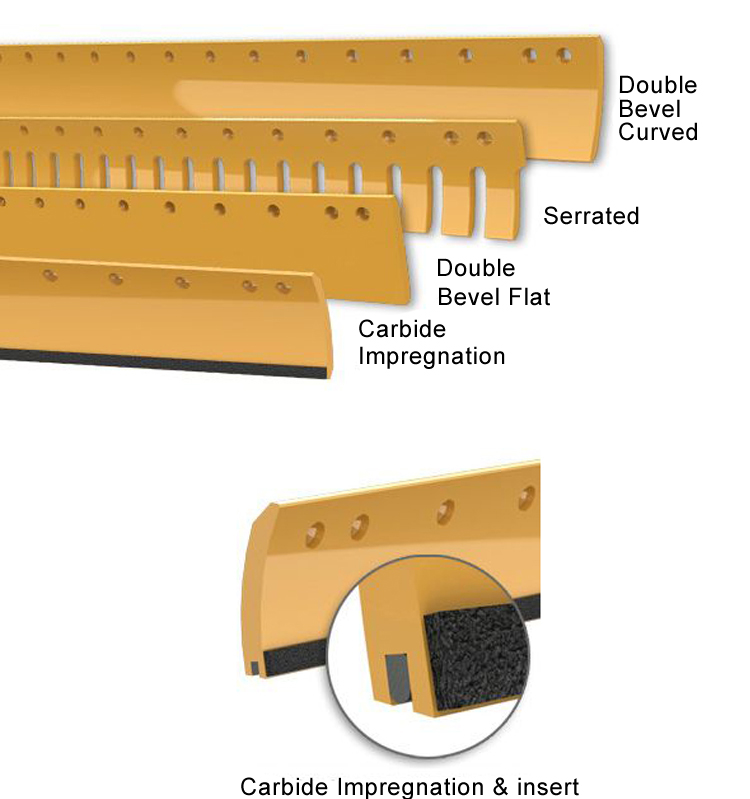
| Beveled | Better penetration |
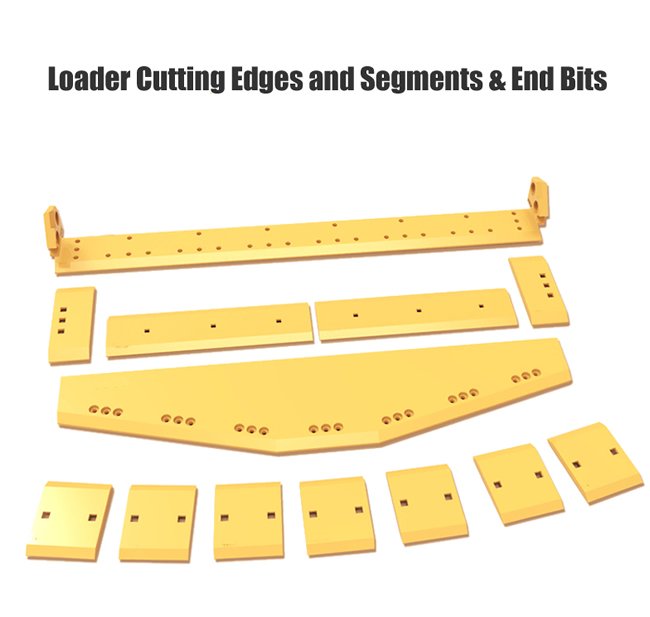
| Segmented | Easy replacement |
Mistakes I often see
Buyers only compare price.
They ignore working conditions. They skip technical confirmation.
This leads to wrong selection.
What are the common wear patterns and how to manage them?
Wear always happens. But control makes a big difference.
Common wear patterns include center wear, side wear, and rounding, and you can manage them through inspection, rotation, and timely replacement.
Wear types
| Type | Cause |
|---|---|
| Center wear | Heavy middle load |
| Side wear | Misalignment |
| Rounding | Long use |
How to manage wear
- Check every 100 hours
- Rotate edges if possible
- Replace before full wear
Cost comparison
| Strategy | Result |
|---|---|
| No maintenance | High cost |
| Basic check | Medium cost |
| Planned maintenance | Lowest cost |
How does a high-quality cutting edge impact your project cost?
Many buyers focus on unit price. I always explain total cost.
A high-quality cutting edge reduces downtime, improves efficiency, and lowers replacement frequency, which reduces total cost over time.
Cost structure
| Type | Example |
|---|---|
| Direct | Purchase price |
| Indirect | Downtime, fuel, labor |
Real case
A UAE client used cheap edges.
Machines stopped often. After switching, downtime dropped by 40%.
Long-term thinking
Lower price does not mean lower cost.
Stable performance saves more money.
What are common mistakes when choosing loader bucket cutting edges?
I see these mistakes very often.
Common mistakes include focusing only on price, ignoring working conditions, choosing wrong materials, and not confirming specifications before purchase.
Mistake summary
| Mistake | Result |
|---|---|
| Price focus | High long-term cost |
| Wrong condition match | Poor performance |
| Wrong material | Short lifespan |
| No spec check | Installation issues |
How to install a loader bucket cutting edge correctly?
Installation is often ignored. But it affects performance a lot.
You should install a cutting edge by aligning it correctly, using proper bolts and torque, and ensuring even contact with the bucket lip to avoid uneven wear and loosening.
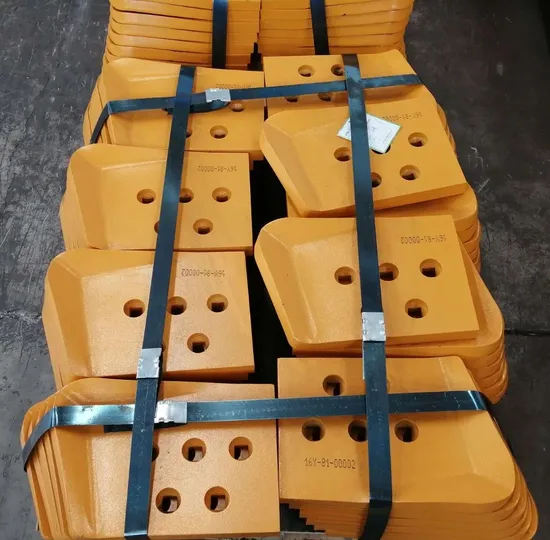
Basic installation steps
I usually guide clients like this:
- Clean the bucket lip
- Align the cutting edge
- Insert bolts correctly
- Tighten with proper torque
- Recheck after initial use
Common installation problems
| Problem | Result |
|---|---|
| Loose bolts | Edge movement |
| Misalignment | Uneven wear |
| Wrong torque | Bolt damage |
My suggestion
Always use high-quality bolts.
Check after the first 10 hours of operation.
How often should you replace a cutting edge?
This depends on working conditions. There is no fixed answer.
You should replace a cutting edge when it reaches its wear limit, shows rounding, or affects digging performance, and this usually depends on material type, working hours, and environment.
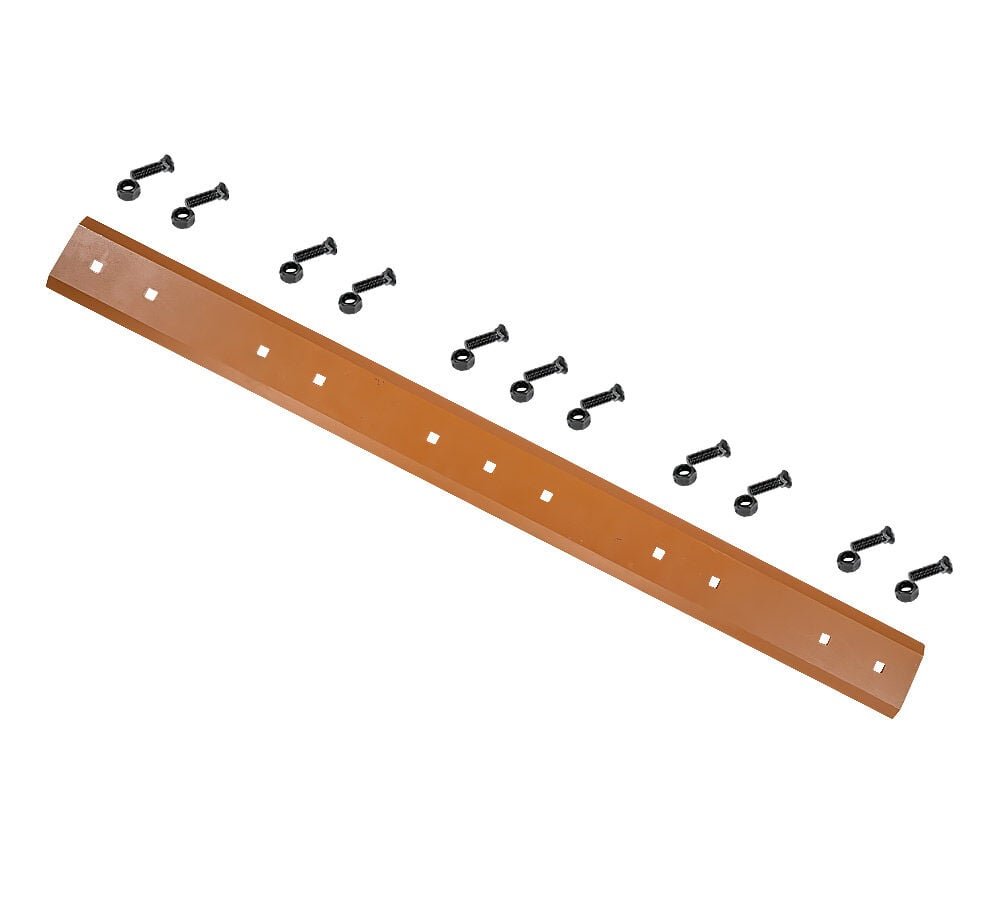
Replacement indicators
| Sign | Meaning |
|---|---|
| Rounded edge | Poor penetration |
| Uneven wear | Performance loss |
| Thin edge | Risk of damage |
General replacement cycle
| Condition | Frequency |
|---|---|
| Light duty | 2–3 months |
| Medium duty | 1–2 months |
| Heavy duty | 2–4 weeks |
My field experience
In mining projects, edges wear very fast.
In sand work, life is longer.
So I always suggest checking based on real use.
How can you ensure quality when sourcing cutting edges from China?
Many buyers worry about quality control. I understand this concern.
You can ensure quality by checking certifications, evaluating factory capability, requesting samples, and working with experienced suppliers with strict quality control systems.
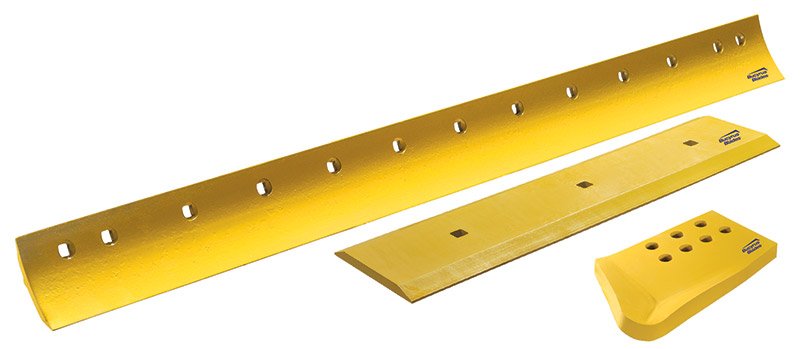
What to check
| Item | Reason |
|---|---|
| Certification | Standard compliance |
| Factory | Production stability |
| Inspection | Quality consistency |
My approach at Siderwin
At Siderwin, I focus on:
- Raw material selection
- Heat treatment control
- Final inspection
I also support third-party inspection.
Communication matters
Clear drawings and specs avoid mistakes.
I always confirm all details before production.
Conclusion
The right cutting edge improves efficiency, protects your bucket, and reduces total cost when you choose, use, and maintain it correctly.