
How Do We Confirm Excavator Bucket Fit Before Ordering a Replacement?
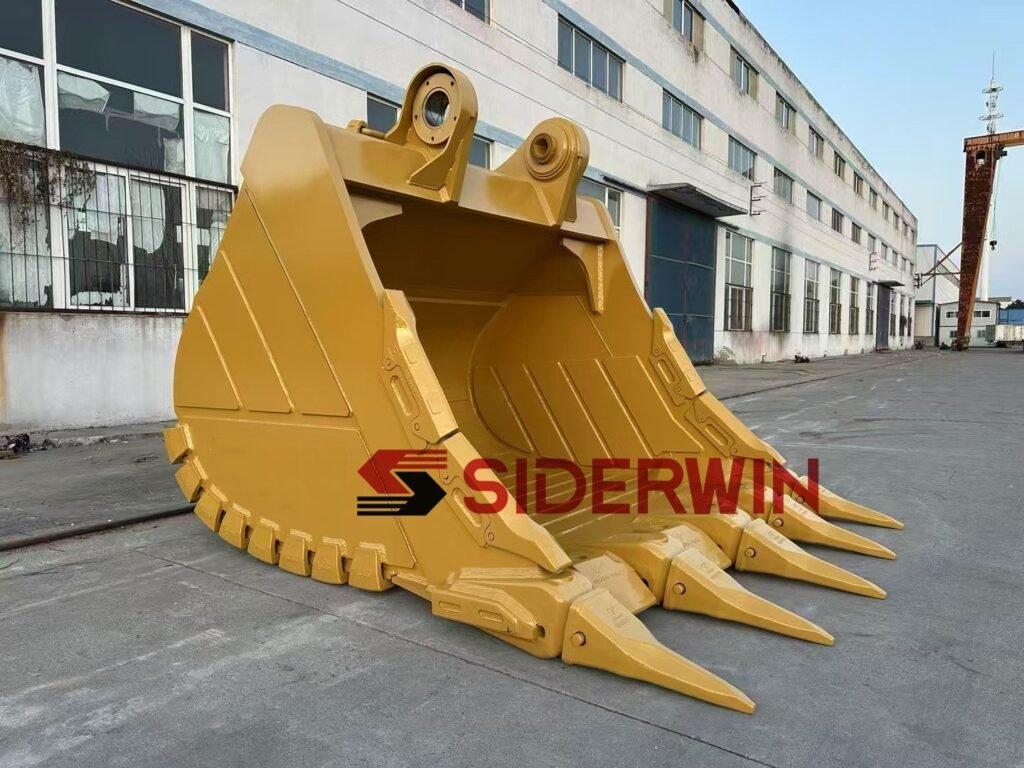
Confirm excavator bucket fit before ordering. Check pins, mounting gaps, coupler details and drawing approval with this practical replacement checklist.
How Do We Inspect Excavator Track Roller Wear Before Ordering Replacements?
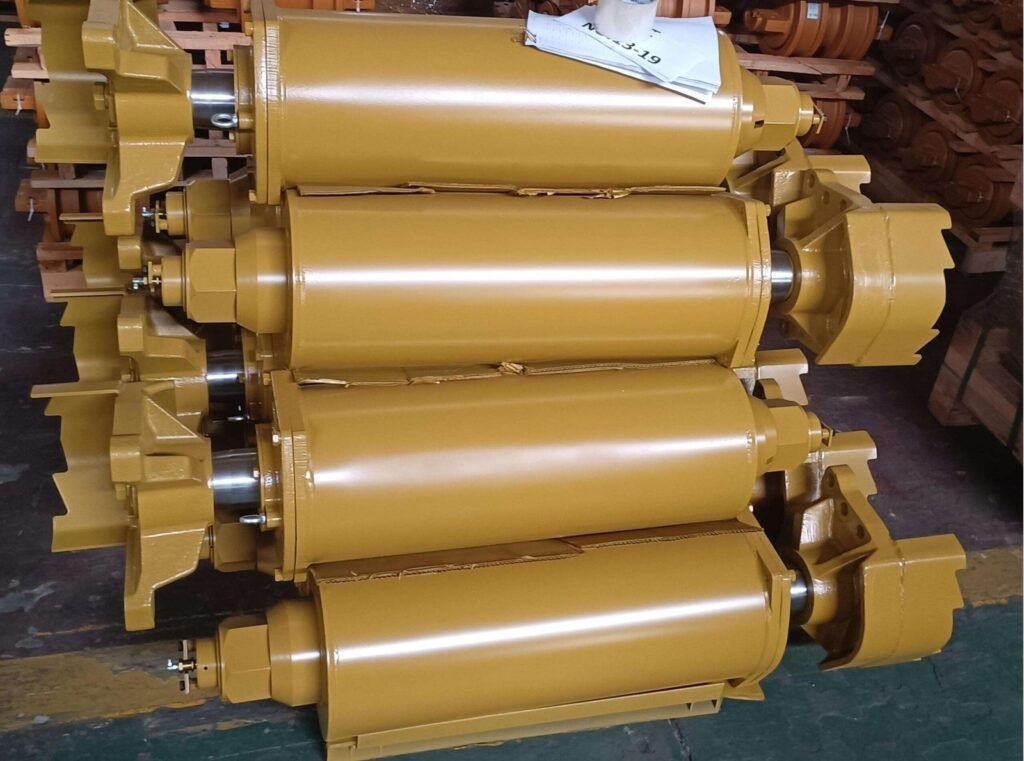
Inspect excavator track roller wear before ordering parts. Learn what to record, how to use service limits, and which details support a replacement quotation.
How Do You Check Bucket Tooth Adapter Wear Before Replacing Excavator Teeth?
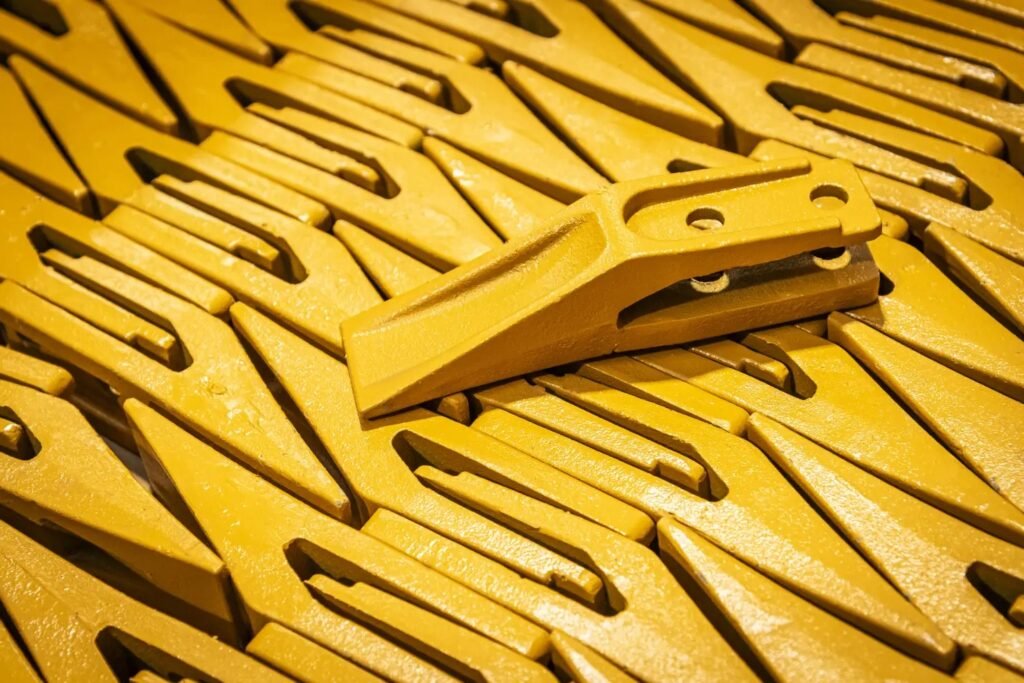
Check bucket tooth adapter wear before replacing excavator teeth. Learn what to inspect, how to confirm fit, and what to send for a correct parts quotation.
What Should I Know Before Buying an Excavator Track Group?
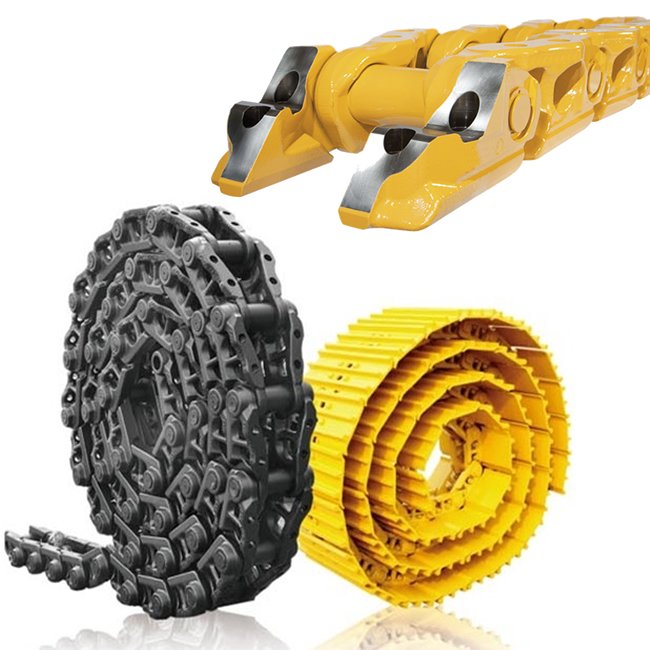
When an excavator undercarriage wears too fast, repair costs rise quickly. I have seen buyers focus only on price and face higher downtime later.
An excavator track group normally includes track chains, track shoes, track rollers, carrier rollers, idlers, sprockets, track bolts and nuts, and track adjuster parts. I check compatibility, material, heat treatment, wear resistance, service life, warranty, price, and delivery before buying.
What Are Bottom Rollers and Top Rollers for Excavators, and How Do I Choose the Right Ones?
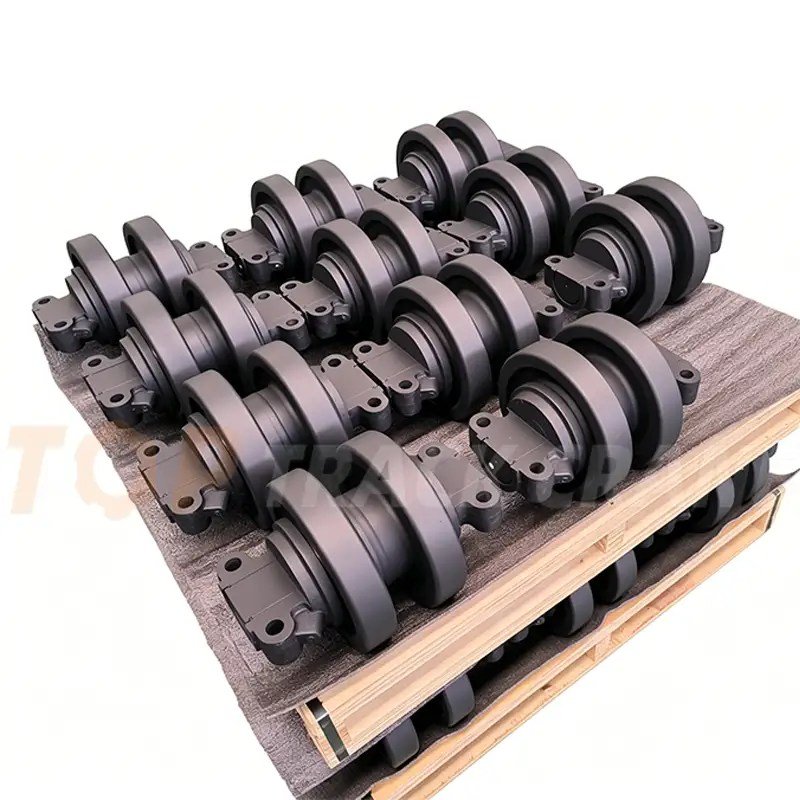
I have seen many excavators continue working with worn rollers. The machine still moves, but the undercarriage slowly becomes less stable. Repair costs can then rise quickly.
Bottom rollers carry most of the excavator’s weight and guide the track chain from below, while top rollers support the upper track chain. I choose both types by checking the machine model, part number, dimensions, material, heat treatment, working conditions, and required service life.
How Do Heavy Equipment Undercarriage Parts, Rollers, Idlers, and Tracks Affect Machine Performance?
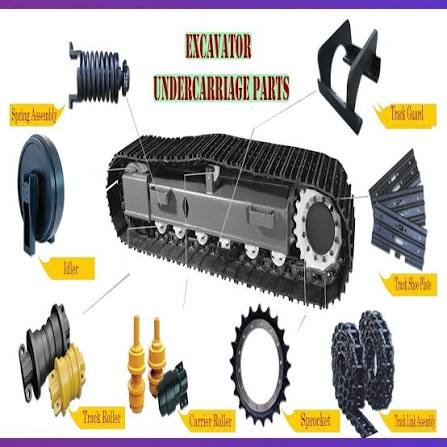
Heavy equipment can lose time and money when the undercarriage wears too fast. I have seen how small wear problems can become costly repairs when nobody checks them early.
Heavy equipment undercarriage parts support machine weight, transfer power to the ground, and keep crawler machines moving. I use suitable tracks, rollers, idlers, sprockets, and track chains to improve stability, wear resistance, service life, and operating efficiency.
How to properly maintain and service an excavator bucket?
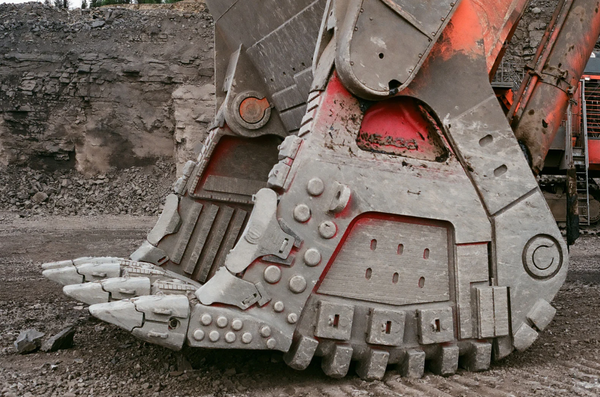
I have seen many excavator buckets lose performance because of small maintenance problems. A worn tooth, loose pin, or cracked adapter can quickly increase downtime and repair costs.
I properly maintain an excavator bucket by checking wear parts, cleaning the bucket, inspecting welds and adapters, lubricating moving points, and replacing damaged parts before they affect the bucket structure or excavator.
How Do Excavator Chain Tracks Work? A Complete Guide to Excavator Undercarriage Systems
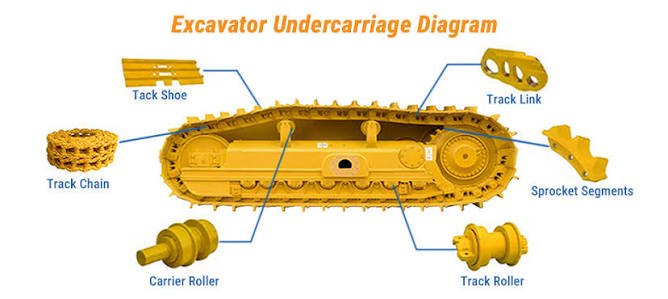
When I talk with overseas buyers about excavator undercarriage parts, one of the most common questions I receive is: “How does an excavator chain track work?”
Many customers know they need to replace a track chain, track roller, or sprocket, but they do not always understand how these components work together. Understanding the excavator track system helps buyers choose the right replacement parts, reduce maintenance costs, and improve machine service life.
What Is a Lubricated Track Chain and What Materials Is It Made From?
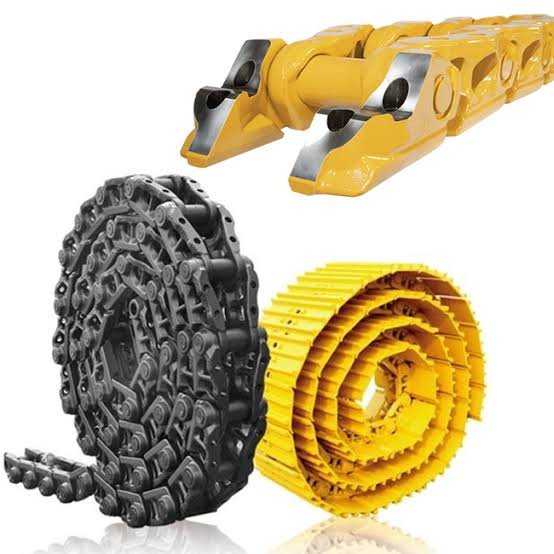
Heavy equipment often fails because of undercarriage wear. Many buyers only look at price. That mistake can lead to expensive downtime and frequent replacements.
A lubricated track chain is a sealed track chain filled with lubricant between the pin and bushing. It reduces internal wear, extends service life, lowers maintenance costs, and improves machine performance. High-quality track chains are usually made from heat-treated alloy steel with hardened pins, bushings, and forged links.
What Should You Know Before Buying Excavator Track Chains?
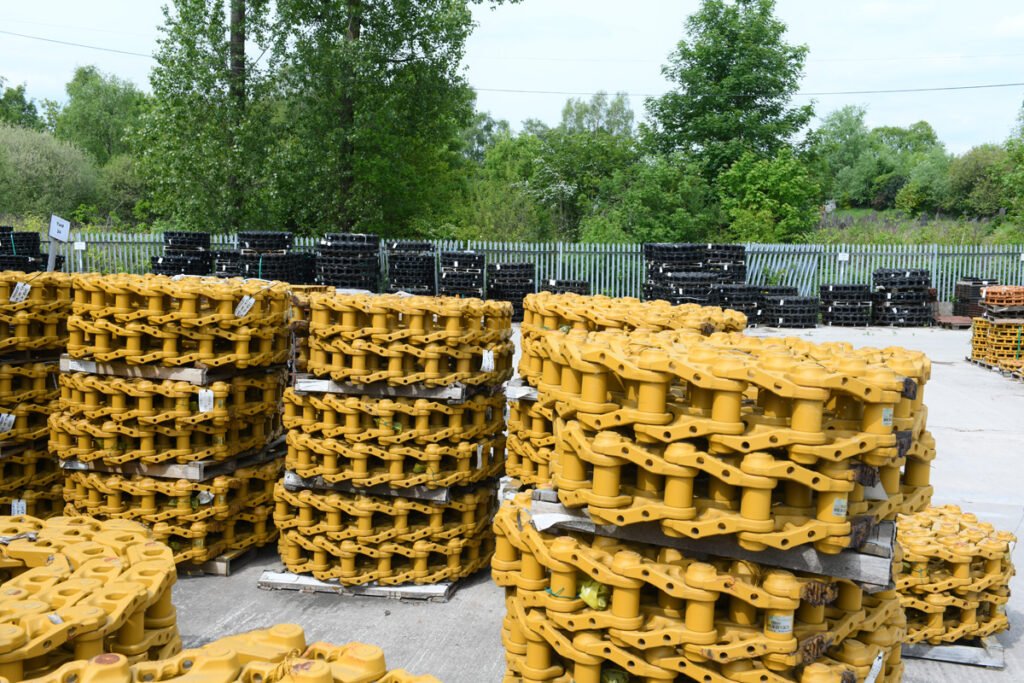
Track chain problems rarely begin with a dramatic breakdown. Most of the time, the trouble starts quietly with faster wear, unstable travel, and rising repair costs that buyers do not notice at first.
Before buying excavator track chains, I focus on five things: fit, material quality, heat treatment, working condition, and supplier reliability. A track chain is not just one spare part. It affects the whole undercarriage system, machine uptime, and long-term operating cost.
What Is a Drilling Bucket and Why Does It Matter in Foundation Construction?
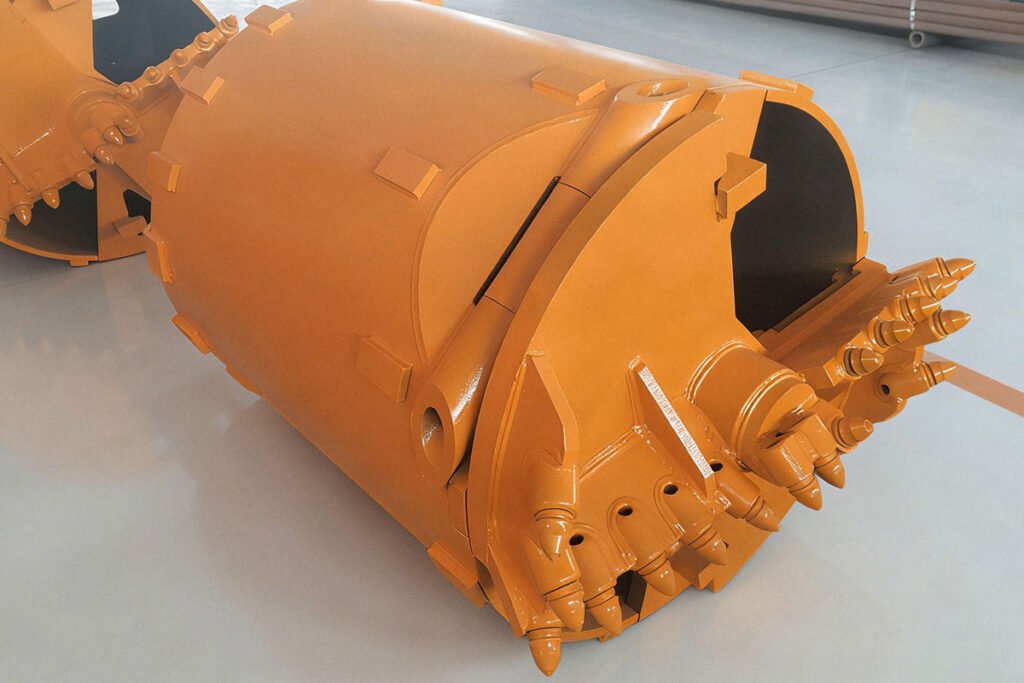
Foundation projects often slow down because the drilling tool cannot handle hard soil or rock. I have seen projects lose time and money because of the wrong drilling bucket selection.
A drilling bucket is a piling foundation tool used on rotary drilling rigs to remove soil, clay, sand, gravel, and rock from deep foundation holes. It improves drilling speed, hole quality, and jobsite efficiency in foundation construction projects.
What Are Bullet Teeth for Rotary Drilling and Why Do They Matter?
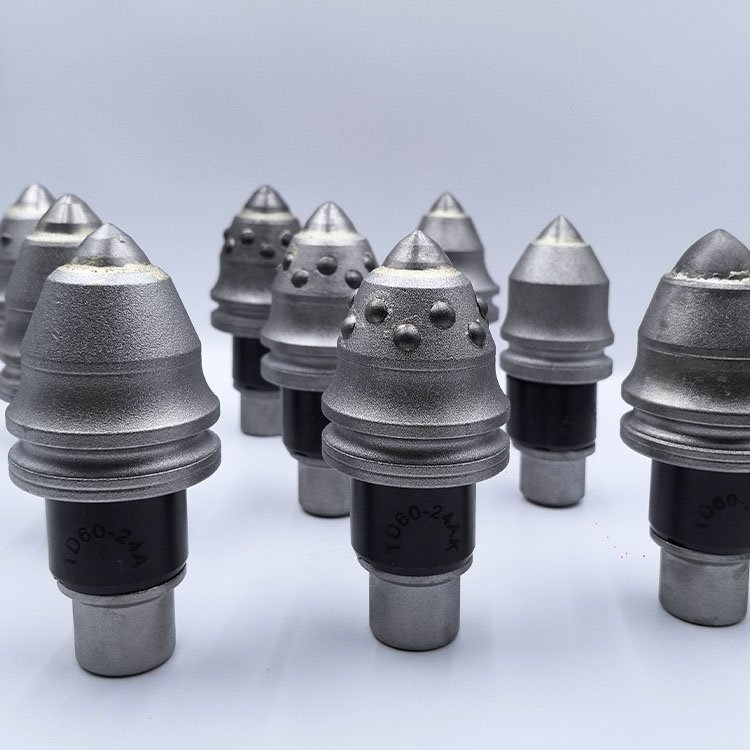
Rotary drilling tools often fail too early. I have seen broken teeth, slow drilling, and costly downtime on many job sites. Most problems start with the wrong bullet teeth selection.