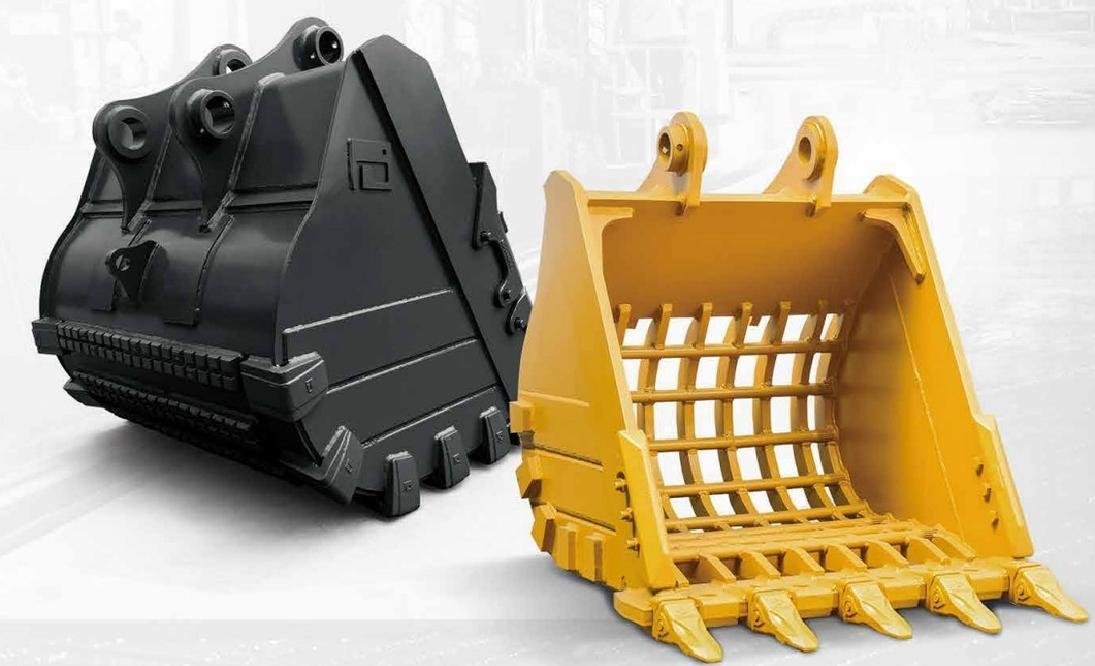
Rotary Drilling Bucket Bottom Plate Wear: A 2026 Guide
The bottom of a rotary drilling bucket is the part nobody photographs and everybody pays for. A rig can chew through a set of teeth in a gravel bed and keep working, but once the floor plate thins, the bucket stops cutting cleanly, the bore diameter wanders, spoil carries back down the hole on the next cycle, and the operator burns fuel for nothing. The failure is quiet, and by the time it is obvious the plate is usually beyond a sensible repair.
Three things make this worth a dedicated look in 2026. The Chinese piling machinery market is forecast at RMB 185 billion for the year, up about 6.5 percent, with rotary drilling rigs taking 58 percent of unit sales at roughly 42,000 machines (source: China piling machinery industry report, 2026). Offshore wind, photovoltaic foundations and ultra-high-voltage transmission lines are driving large-diameter, deep-hole work, where the bottom plate takes the heaviest load the tool ever sees (source: rotary drilling rig industry analysis, 2026). And the aftermarket has become a profit core, with leasing, maintenance and parts supply contributing close to half of industry profits (source: rotary drilling rig market analysis, 2026). They remain the cheapest variable cost in the cycle — and the tool most likely to decide whether a pile meets its diameter and verticality spec.
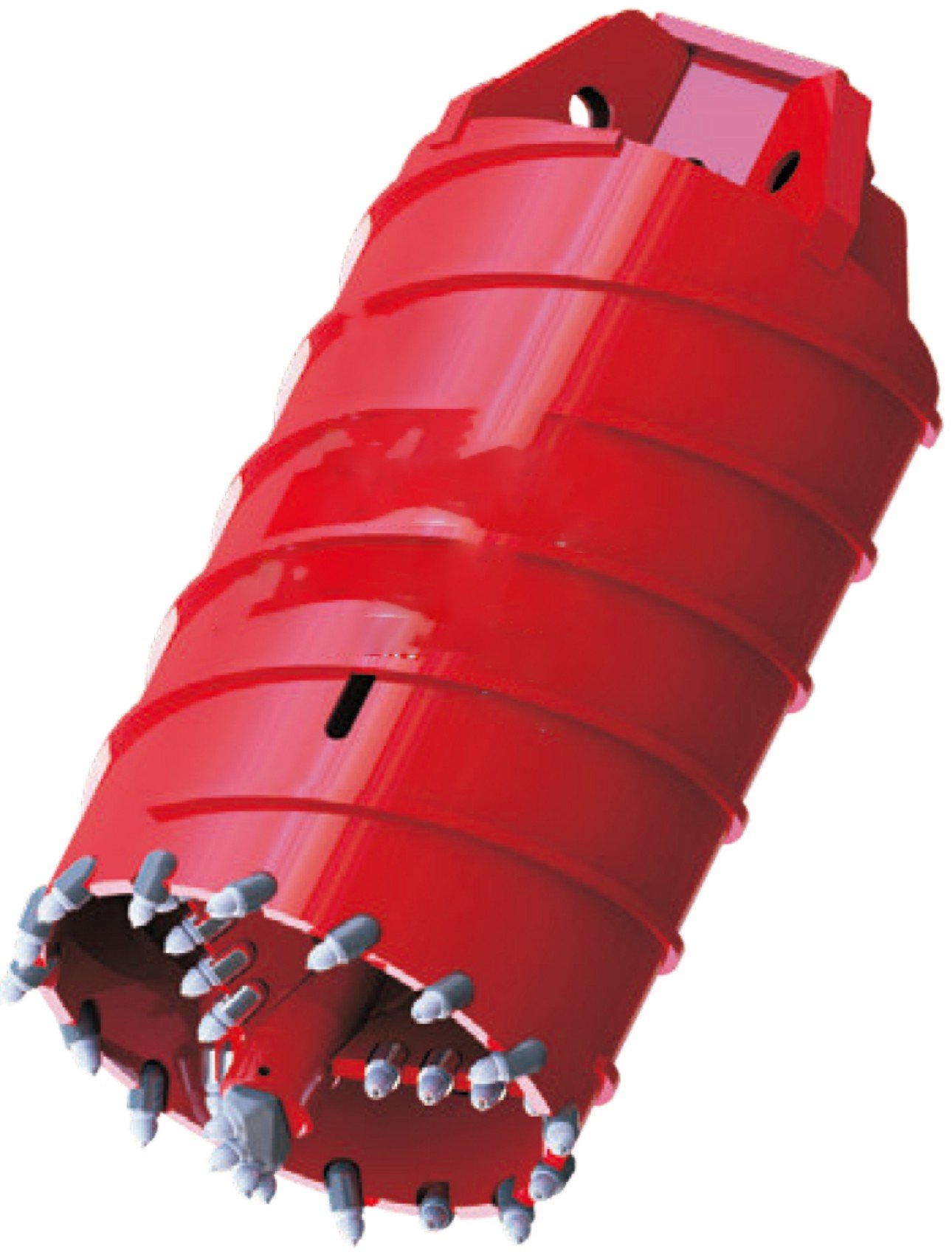
How a drilling bucket actually wears
Most people buy a drilling bucket as a single object and judge it by the teeth. The teeth are visible, cheap to replace, and the wrong thing to measure. The wear that ends bucket life happens in three zones, and they fail on different clocks.
The cutting edge and the teeth
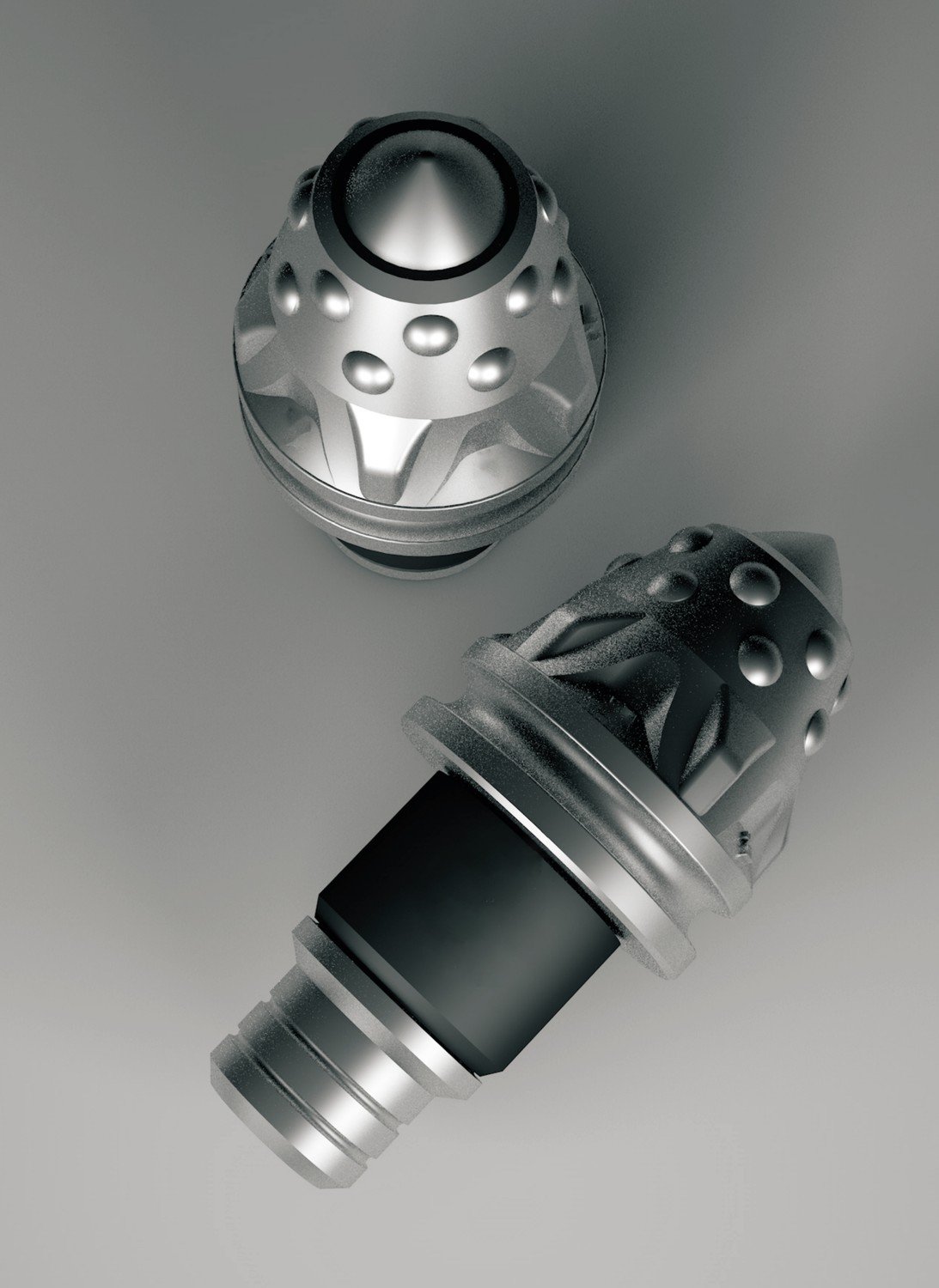
This is the zone the operator watches, because it is where breakout force is taken. Single-layer edges are the economical default for soft ground; double-layer weld configurations typically deliver 1.5 to 2 times the service life in abrasive sand and gravel, at the cost of roughly 30 to 50 mm of additional effective cutting height (source: SpecForge, cleaning bucket specification analysis, 2026). Teeth on a rock bucket are a separate decision again, and the profile, holder and retainer combination matters more than the hardness number on its own.
The floor plate behind the edge
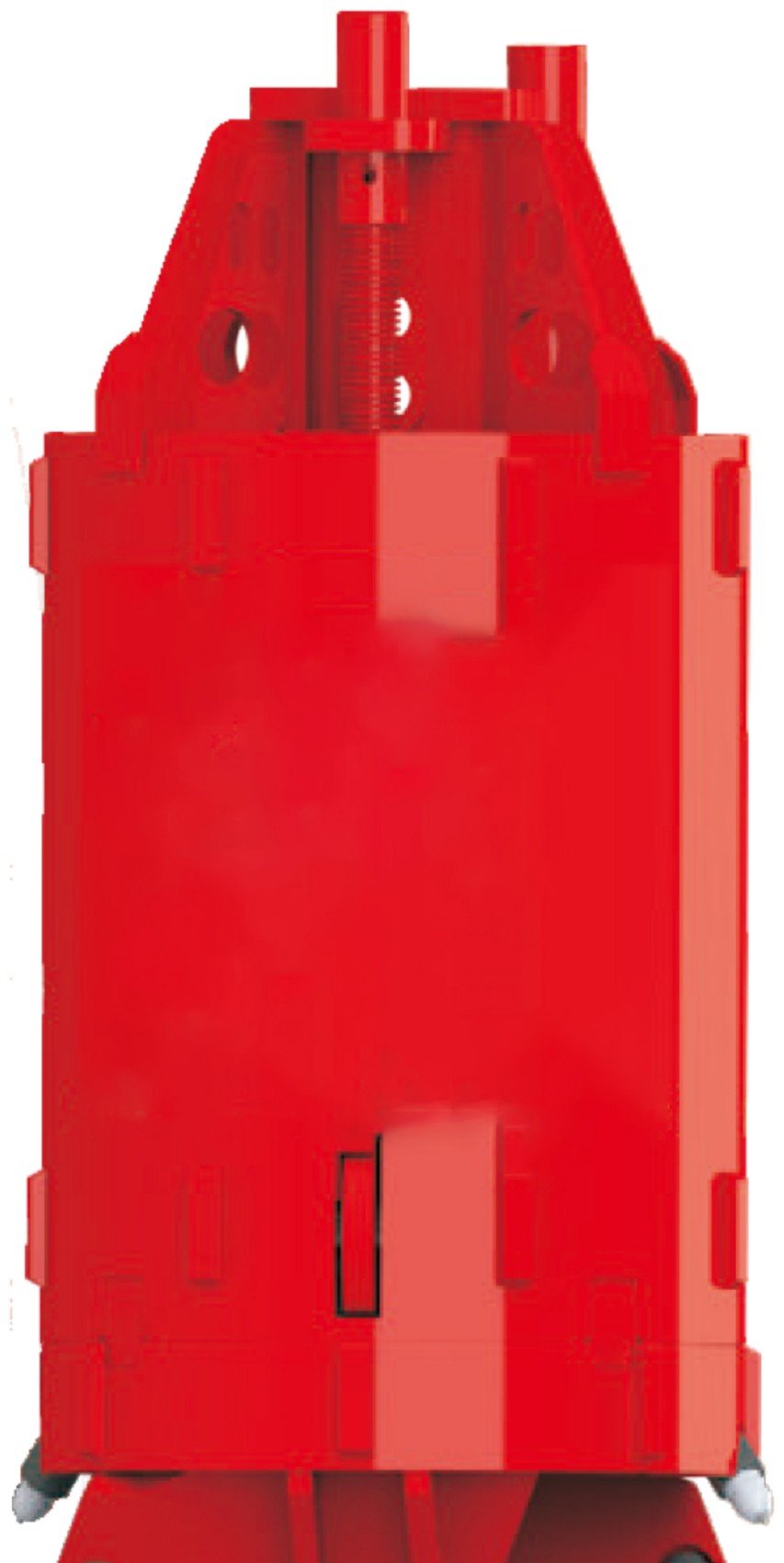
This is the zone most often ignored, and it is where the money goes. Material already picked up slides across the floor every time the bucket is loaded, and that sliding abrasion grinds the bottom flat over years of work. A bucket can be “on new teeth” and still be 15 to 20 mm out of specification on the floor. Standard practice on rotary drilling buckets is a fixed bottom plate held at 40 mm as a deliberate design floor, with shell thickness stepping from 16 mm to 25 mm only above the 2000 mm diameter mark (source: SpecForge, 2026). The plate is thicker than the shell because the plate is the working face and the shell is structure.
The heel and the back of the floor
The corner where floor and back plate meet is dragged across aprons, ramps and compacted surfaces. It is why buckets show a hole at the heel long before the edge is finished, and it is the reason a wear strip or heel plate welded under the floor can double the interval before the floor needs rebuilding (source: Senthai Tool, bucket edge wear protection analysis). A protection package that covers the edge and ignores the heel simply moves the failure onto a structural part that cannot be replaced with a bolt.
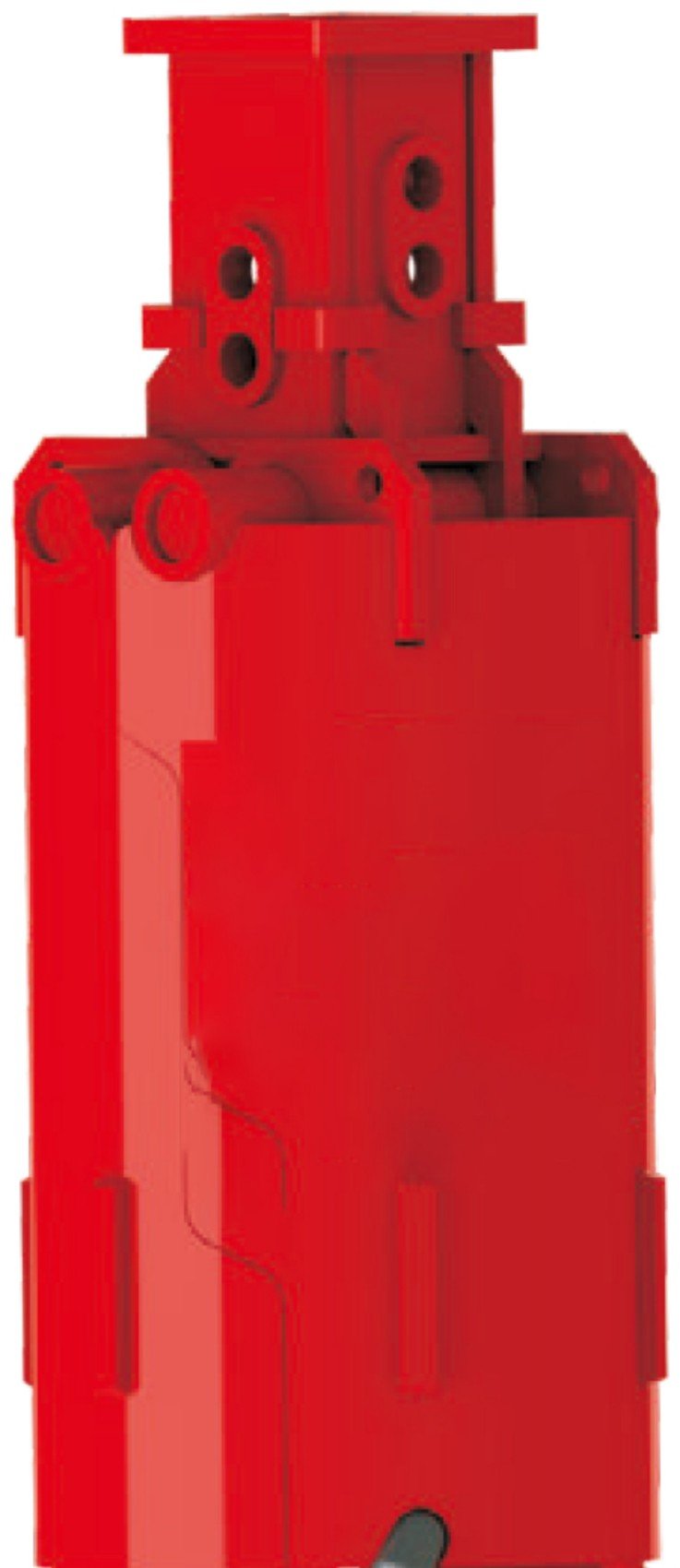
Repair or replace: the threshold that works
Contractors tend to binary this question — repair is cheap, replacement is expensive — and then keep repairing past the point where it makes sense. The field rule is straightforward.
Repair is correct when the structure is sound and the wear is local. Hardfacing a wear strip, rebuilding a cutting edge, replacing bushings, pins, holders or a stop all restore the tool without touching its geometry. Strategic hardfacing placement can extend bucket life by 300 to 500 percent compared with unprotected base metal, according to wear-pattern research published by Monash University researchers (source: mobile bucket repair and hardfacing services analysis). Maintenance guidance for foundation drilling tools advises greasing hinge pins, push-rod joints, guide surfaces and Kelly box locking pins every 8 to 10 operating hours, shortening that interval in wet, sandy or abrasive ground (source: drilling bucket maintenance guidance, 2026).
Replace when geometry is lost. A bent or twisted arm, a deformed shell, misaligned hinge bosses, an unrepairable Kelly box, or multiple structural cracks all mean the tool is finished. The same applies when the repair cost exceeds about 40 to 50 percent of a new tool — that is the industry working threshold, not a negotiating position (source: foundation drilling tool maintenance guide, 2026). Do not heat-straighten a bent arm and put it straight back into a bell; check pin alignment and stop contact first, and if the arm cannot be aligned, replace it.
| Condition | Verdict | Typical action |
|---|---|---|
| Cutting edge worn, floor plate sound | Repair | Rebuild edge, replace teeth and holders |
| Floor plate thinned but not perforated | Repair | Hardfacing or bolt-on liner, add wear strip |
| Heel worn through, floor otherwise good | Repair | Weld-on heel plate, double the rebuild interval |
| Arm bent or twisted | Replace | Geometry lost, do not straighten and reuse |
| Hinge bosses misaligned, pin walking | Replace | Matched arm, stop and pin set |
| Kelly box rounded, cracked or seized | Replace | Torque and crowd pass through it |
| Wings will not retract | Inspect first | Clay packing, cobble in wing, damaged hinge |
| Repair quoted above 40-50% of new | Replace | Economics, not condition |
The last two rows cost money when misread. A tool that will not retract is usually packed clay, not a failed hinge — forcing it through casing is how an arm gets bent and the decision becomes a replacement by accident. An uneven bell points to asymmetric tooth wear, a bent arm, stop mismatch or collapsed ground; measure the arms and stops before blaming tooth quality (source: drilling bucket maintenance troubleshooting guide, 2026).
What a bottom plate failure actually costs
A worn floor plate is not only a wear cost. It is a production cost, and in most contracts the more expensive half.
Traditional shop repair means removing the bucket from the machine, transporting it to a fabrication shop, scheduling shop time, waiting, and reinstalling. That path runs 5 to 14 days of complete production halt with transport required both ways. A mobile field service turns the same work into 8 to 48 hours with no transport and minimal interruption; scheduled mobile prevention fits into a planned maintenance window at 4 to 12 hours (source: mobile bucket repair and hardfacing downtime analysis). In a foundation contract where the rig is on a fixed programme, three lost days is not a maintenance expense — it is a liquidated damages conversation.
The other cost sits in spoil. When the floor is worn flat, the bucket stops cutting on the leading edge alone and the residual layer at the hole base grows. A sediment layer commonly 50 to 300 mm thick, project dependent, has to be removed before tremie concrete is placed, or it sits between the concrete and the bearing stratum and reduces both end-bearing capacity and shaft skin friction (source: cleaning bucket specification analysis, 2026). It is cheaper to keep the bucket in specification than to clean up after one that is not.
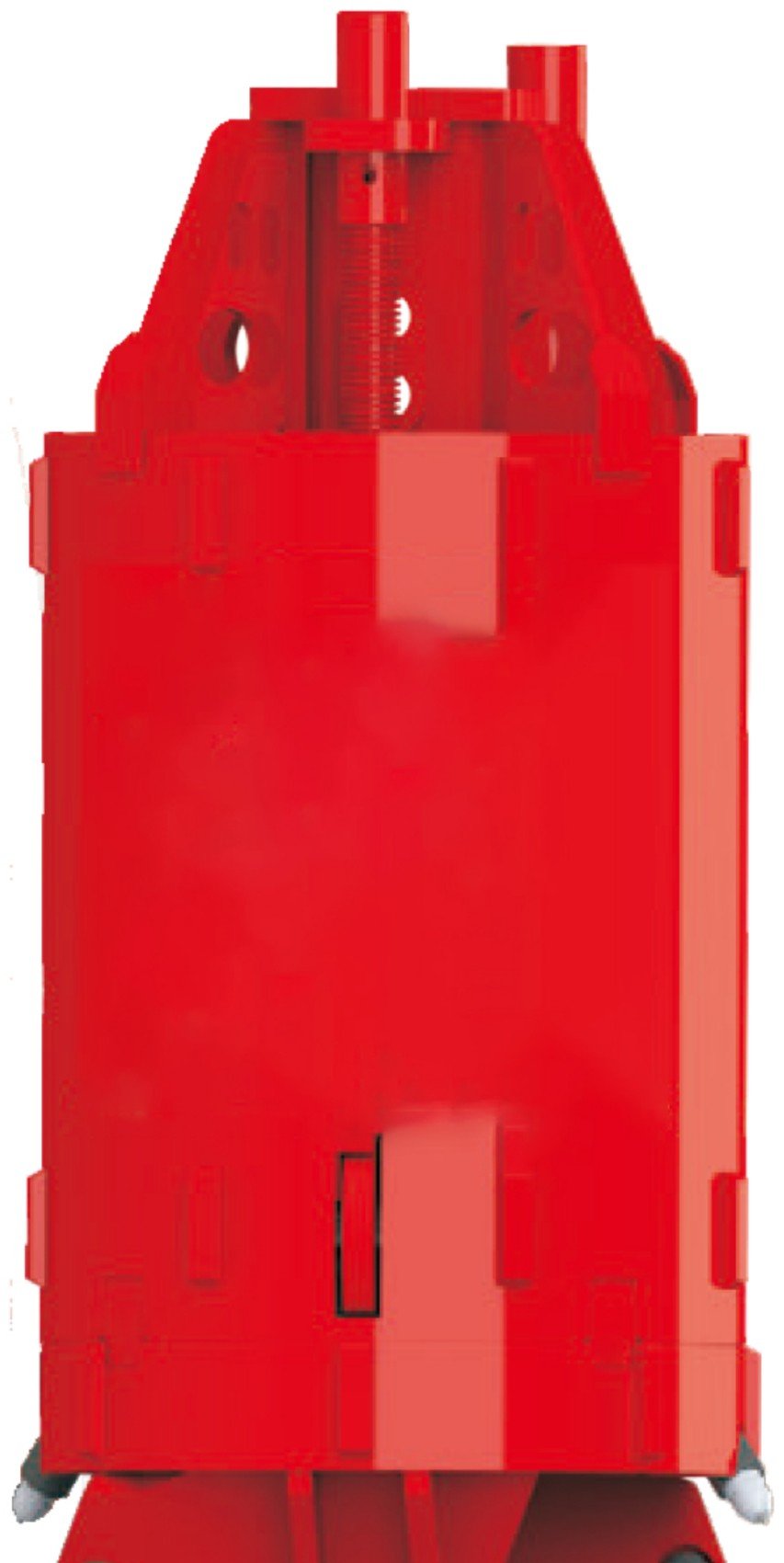
Specifying the replacement
Most wear-part orders fail on ambiguity: the buyer specifies a diameter and a price, the supplier ships something dimensionally close, and the mismatch surfaces six weeks later as a bore that is 20 mm out. Four lines prevent most of it.
Plate thickness and material, not just “bottom plate”. State the nominal plate thickness, the material grade, and whether hardfacing is required on the plate, the edge or both. NM500 wear-resistant steel plate is one option for wear strips and hardfacing, but confirm the grade against the tool drawing (source: drilling bucket maintenance guidance, 2026). A bottom plate described only by diameter is not a specification.
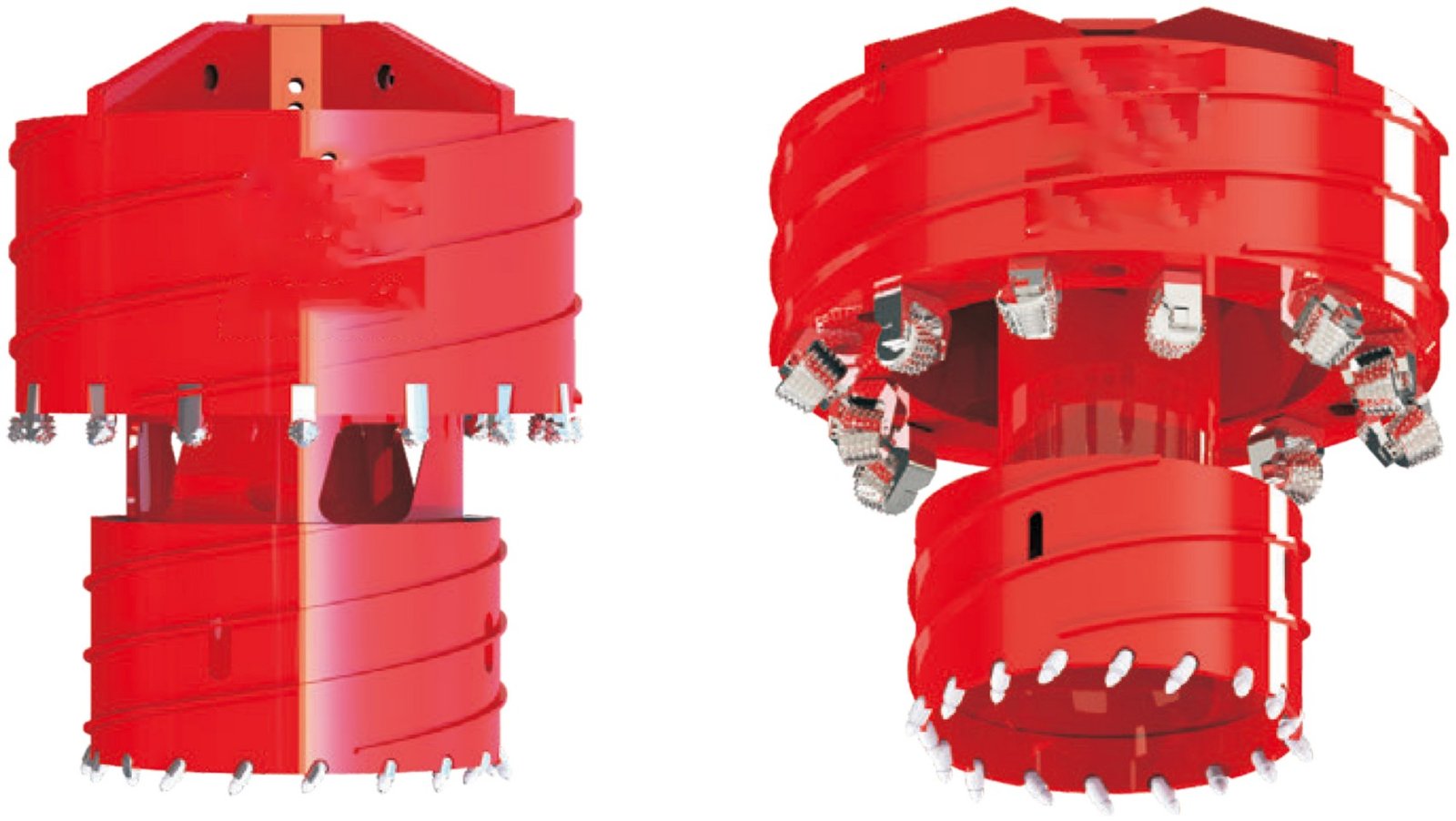
Cutting diameter vs shell diameter, separately. For a typical ring cutting rock drilling bucket, the cutting diameter runs from 600 to 3000 mm while the shell diameter sits at 900 to 1200 mm, with shell thickness of 16 to 20 mm, a 40 mm bottom plate, and a tooth count scaling from 13 on the 600 mm unit to 51 on the 3000 mm unit (source: Siderwin ring cutting rock drilling bucket model list). Ask the supplier to confirm both figures against your bore diameter and hole tolerance.
Edge configuration and consumable interface. Single-layer or double-layer weld edges, tooth profile, holder type and retainer system — double-layer edges add effective cutting height, which changes the bore.
Wear strip and liner attachment. Bolted or welded, and whether the strips are supplied loose or pre-fitted. Bolted wear protection lets a crew renew the floor without bringing the tool to a workshop, which matters more on a spread 200 miles from the nearest fabrication facility.
Service life in practice
There is no universal interval, because it depends on formation, diameter, rotational speed and feed. The floor plate is the shortest-lived structural element on a bucket in abrasive ground, and the one nobody measures.
Two habits close most of the gap. First, measure the plate at the wear point rather than at the edge — a straightedge across the floor and a feeler gauge or ultrasonic reading at the thinnest spot tells you what the edge reading will not. Second, make the check a scheduled item tied to the hour-meter reading, not a visual inspection when the operator has a reason to look. When readings are borderline, send photos of the hinge, stop and wear strips with the hour-meter reading, and get a wear assessment against the part drawings (source: drilling bucket maintenance guidance, 2026).
What Siderwin supplies
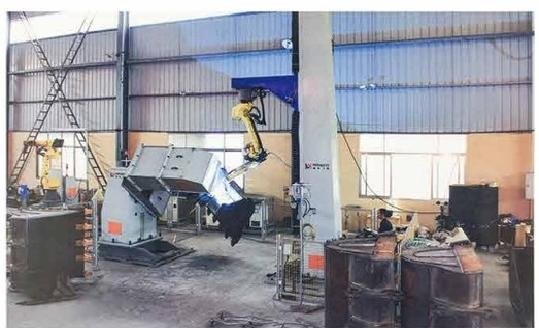
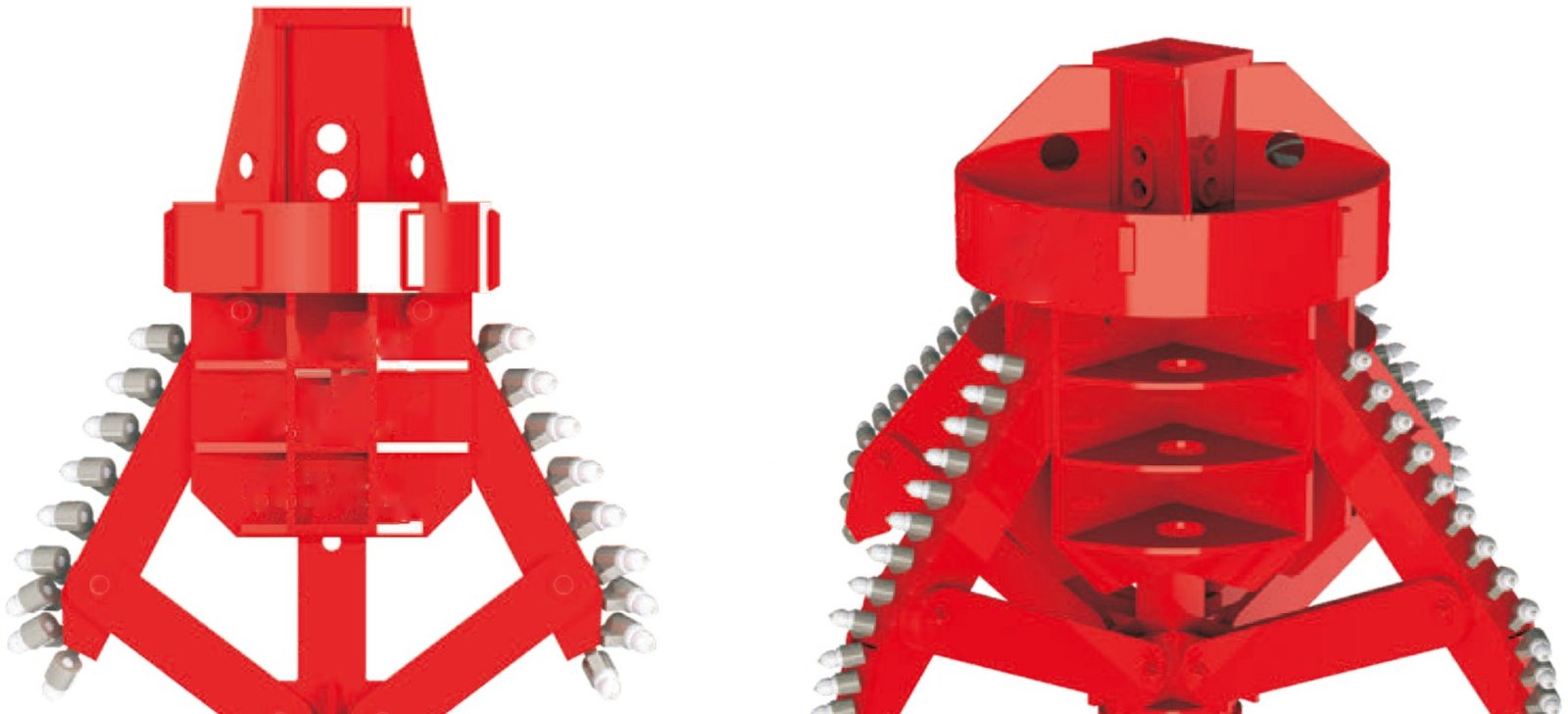
Hunan Siderwin Construction Machinery Co., Ltd manufactures the full range of foundation drilling consumables and structures for rotary rigs: drilling buckets, core barrels, rock augers, cleaning buckets, bullet teeth with holders, roller bits, wear blades and liners, plus complete bucket bodies with cutting edges and wear strips. The plant in Liuyang runs laser cutting, robotic welding and automatic surface treatment, with a 4,000-ton forging line, in-house heat treatment and a physico-chemical laboratory for hardness, impact and metallographic testing. The company has long-term cooperation with SANY, Sunward and Zoomlion, and exports to more than 20 countries.
Standard catalogue items ship in 0 to 7 days, customised designs in 7 to 15 days, and priority production is available for urgent orders. Large orders run on 30 percent advance payment against bill of lading or L/C at sight. Send the machine model, the bore diameter, the formation and the current wear readings, and we will come back with the specification, the price and the lead time — and the test documentation that supports them.
Send us your wear part enquiry
info@siderwin.com | WhatsApp/Tel: +86 181 4265 7536 | www.siderwin.com
All data cited in this article is referenced in plain text by source. Figures are indicative and depend on formation, diameter and operating conditions; OEM values and the tool drawing always take precedence over any general guidance given here.