bauma CHINA 2026: A Wear Parts Buyer’s Checklist
Published: November 9, 2026 | Hunan Siderwin Construction Machinery Co., Ltd
bauma CHINA 2026 opens in Shanghai on November 23, and for anyone buying ground engaging tools or undercarriage parts it is the one event a year where the entire supply chain is walkable. The 2026 edition is the largest to date: a first-time dual-venue format across the Shanghai World Expo Exhibition and Convention Center (SWEECC, November 23–26) and the Shanghai New International Expo Centre (SNIEC, November 24–27), with 400,000 square metres of exhibition space and more than 4,000 exhibitors (source: bauma CHINA official site, 2026). The show covers the full spectrum from complete machines down to components and services, which means the wear parts buyer is not a second-class visitor — the parts are where the technical conversations actually happen.
The problem with a show of this size is that it is easy to spend four days collecting catalogues and leave without a purchase plan. This checklist is built around a different objective: walk in with the measurements, leave with a supply arrangement for the next twelve months.
Before You Go: Build the Enquiry Pack, Not the Shopping List
The single biggest difference between a productive show visit and an expensive one is what you bring to the booth. A product manager with a catalogue leaves with a catalogue. A buyer with measurements leaves with a quotation. Six documents turn the conversation from “how much is this” into “what can you quote me, and when”.
- Machine model and serial number for every machine in your fleet, with the undercarriage configuration noted where it has been modified.
- Chain pitch measurement — measured across a defined number of links and compared with the new specification, with the percentage elongation calculated.
- Roller and idler position records — each position labelled and photographed, with tread depth and flange height noted.
- Sprocket tooth condition — described as even, hooked or pointed, with photographs from a fixed angle.
- Bucket tooth and adapter identification — part numbers where they exist, otherwise clear photographs of the tooth, the adapter nose, the pin and the retainer separately.
- Annual consumption figures — how many sets you ran last year, at what hours, in what ground. This is the number that turns a price comparison into a supply conversation.
Write this pack as a spreadsheet with one row per machine and one column per measurement. At a show you will have maybe twenty minutes with any given supplier, and a table answers the question in the first minute instead of the tenth.
What Changed This Year That Affects Wear Parts Buyers
The 2026 edition expands into a dual-venue format, and that has practical consequences worth planning around. The two venues run on offset dates — SWEECC November 23–26, SNIEC November 24–27 — and visitor tickets are valid across all five exhibition days at both venues (source: bauma CHINA visitor FAQ, 2026). If you can only spend two days, the venue matters: components and aftermarket supply tend to concentrate differently across the two halls than the headline machinery exhibits do.
Three substantive trends are worth watching, because each one eventually reaches your parts order.
Electrification is reshaping the fleet, but not the wear parts. In China, electrified loaders reached a 58.64 percent penetration rate by volume in September 2026, while the export electric penetration rate was only 9.84 percent (source: China Construction Machinery Association, September 2026 data, published October 2026). The undercarriage story is unchanged by electrification: a steel track on hard ground still wears at the same rate whether the machine above it burns diesel or charges overnight. What electrification does change is the fleet mix a parts supplier has to support, and the wear catalogue will have to follow it.
Aftermarket demand is now the growth engine. Weir plc’s Q3 2026 trading update on November 4 showed group orders up 8 percent at constant currency to GBP 687 million, with aftermarket orders growing 10 percent against just 3 percent for original equipment. Within ESCO, the wear-parts business, original equipment orders fell 24 percent while aftermarket orders grew 14 percent (source: Weir plc Q3 2026 update). When the majors are competing harder for the replacement business, an independent factory with real manufacturing capacity has a better negotiating position than it did two years ago.
Specification floors are moving faster than the catalogues. The baseline written into 2026 purchase orders for aftermarket ground engaging tools is 48 to 52 HRC hardness across rock tooth and chisel segments, a minimum tensile strength of 1,400 N/mm², and a minimum impact toughness of 20 J (source: Join Machinery, 2026 aftermarket bucket teeth demand outlook). Buyers who have not updated their internal specification in the last two operating cycles are paying higher-spec prices for lower-spec parts. This is worth confirming in person, because a supplier’s willingness to state the process route in writing is itself a quality signal.
What to Ask at the Wear Parts Booth
Not every booth is worth the time. These are the questions that separate a supplier who can supply you from one who can supply you once.
About the material and the process
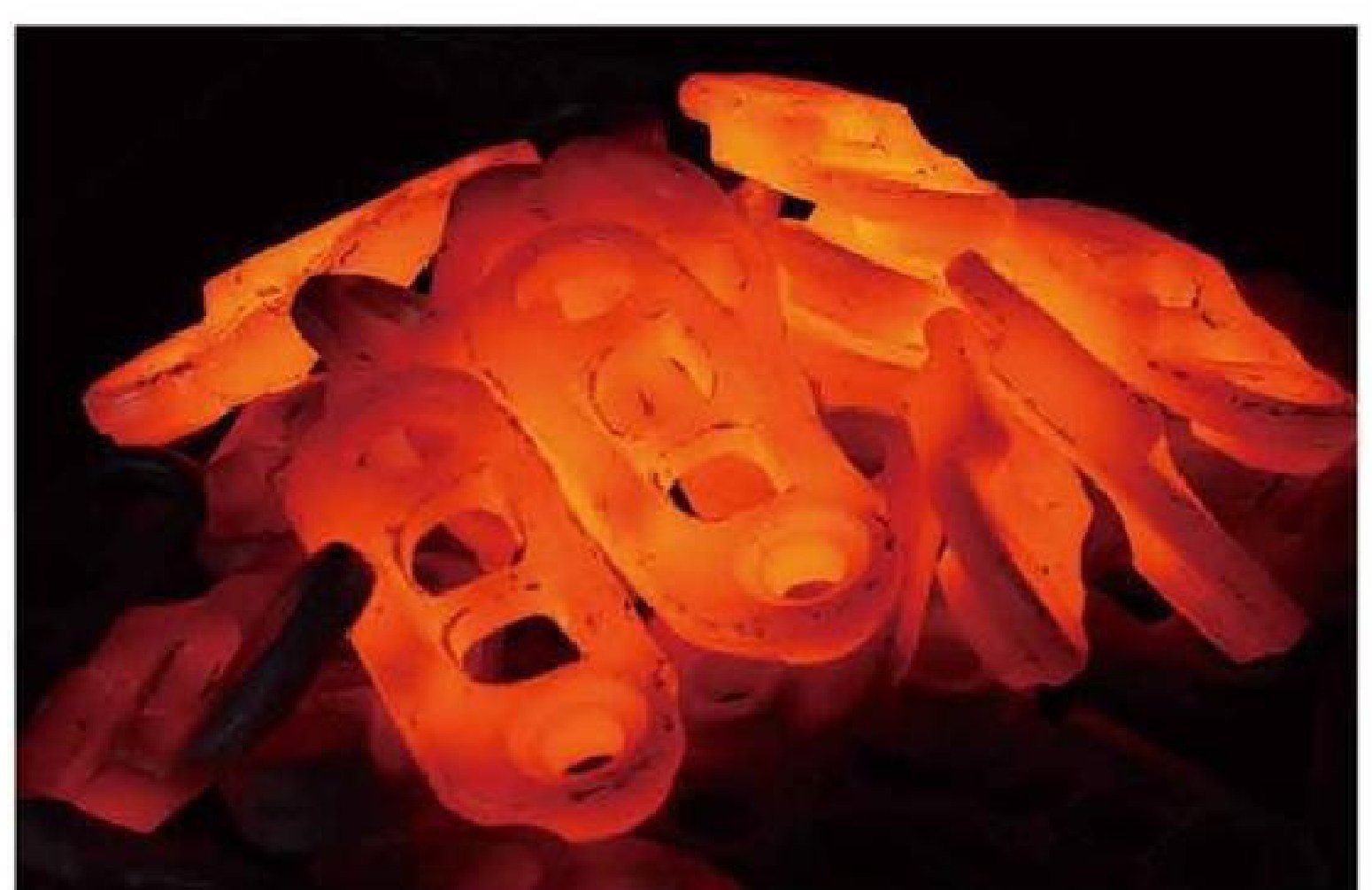
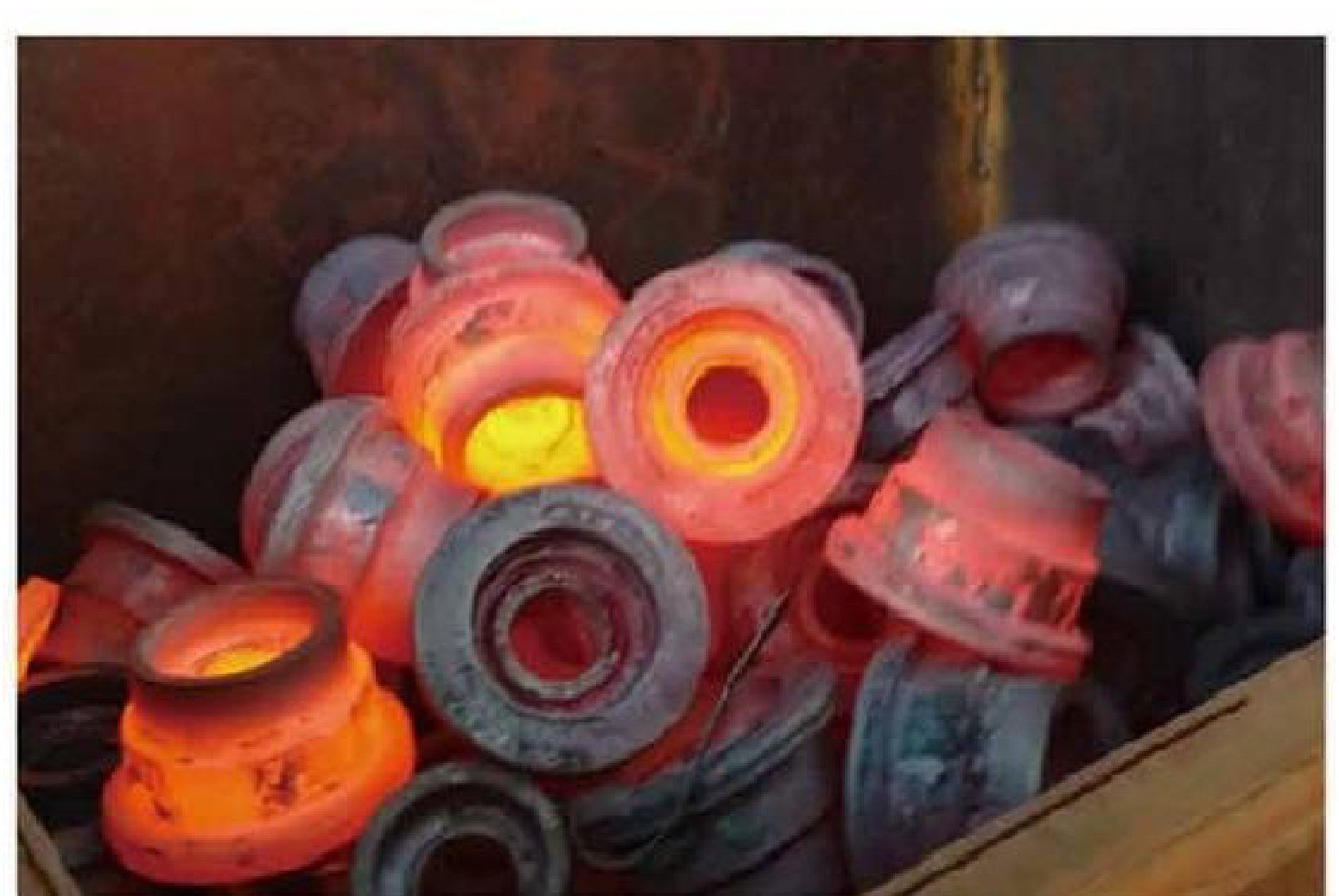
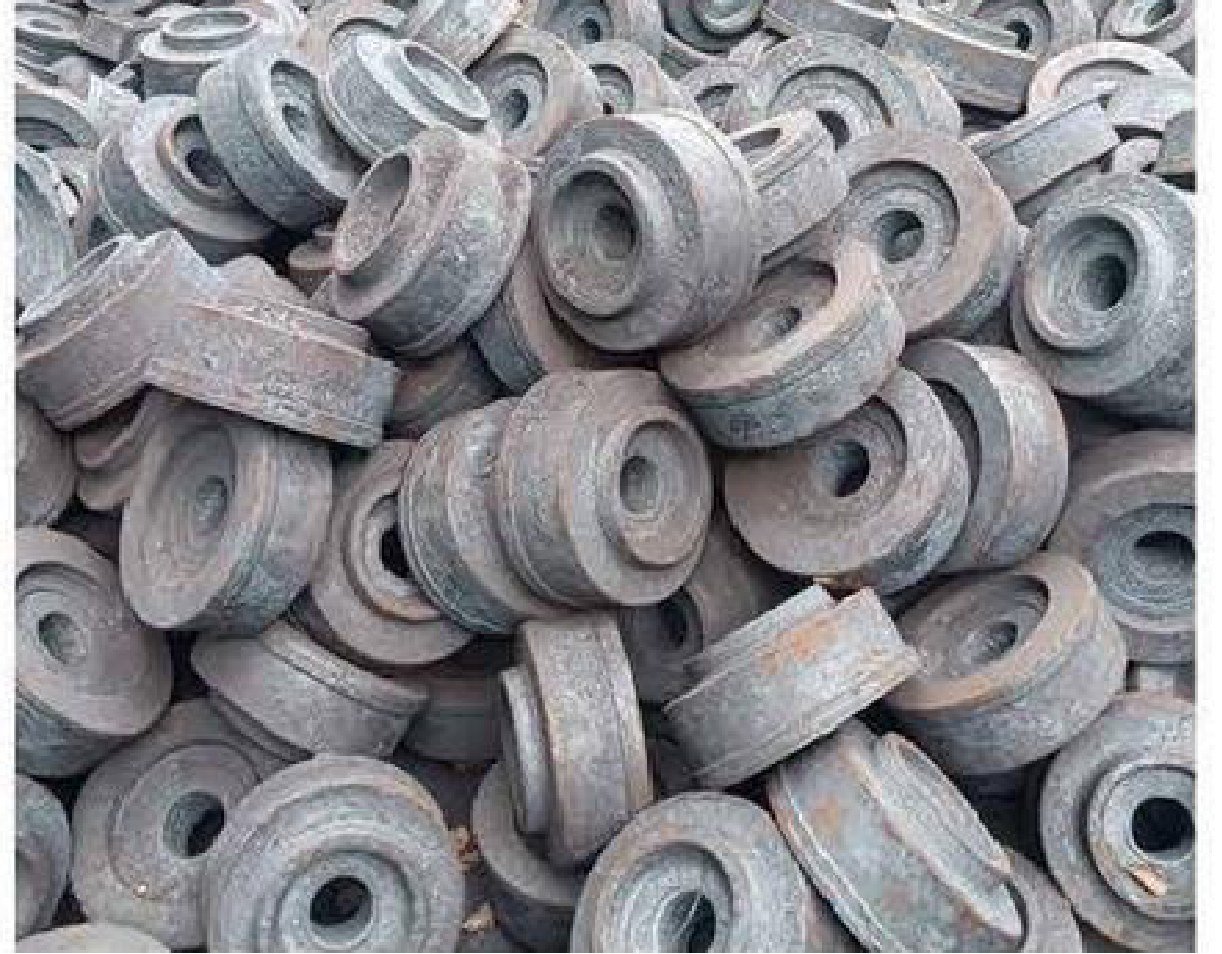
Ask what the hardness band is on the part you are actually buying, not on the range. Ask whether it is forged or cast, and why. Forged components carry a denser grain flow than cast equivalents and are specified for high-impact, hard-rock service, while cast teeth suit general earthmoving where the duty is less severe — the process is a design decision, not a cost-saving decision (source: Siderwin bucket teeth manufacturing guidance). Then ask whether the heat treatment is in-house or subcontracted, and whether the hardness gradient is measured. A hard surface with a tough core and a hard surface that will crack under impact look identical on the bench.
About the documentation
Ask for a batch test report before you order, not after. Material certificates, hardness test reports and impact test reports have moved from special request to standard procurement ask across the industry in 2026 (source: Join Machinery). A supplier that cannot produce a hardness report tied to a heat number for the batch it is shipping is not competing for the same order.
About fitment and interchange
Ask how they handle a part number they do not recognise. A cross-referenced approach has replaced single-brand sourcing across the industry in 2026, because the second-refresh windows do not all align on the OEM new-machine calendar (source: Join Machinery, referencing Construction Dive industry coverage). Bring your own part numbers and your own measurements, and see whether the supplier confirms a match or asks for more information — both answers are useful, and only one of them is honest.
About supply, not just price
Ask about lead time on the specific size class you buy, and about what happens to the quotation validity. Longer-term partners get better terms, but the more useful question is what the supplier’s actual constraint is — capacity, raw material, or heat treatment scheduling — because that tells you how to place the order. Ask whether the supplier holds stock of common sizes, whether urgent orders can be prioritised, and whether they will ship a first mixed container alongside a bulk order so your fleet is covered while the main shipment is in production.
Standard catalogue items in our range ship in 0 to 7 days, customised designs in 7 to 15 days depending on design and production complexity, with priority production available for urgent orders (source: Siderwin delivery terms). That kind of clarity is worth more at a show than a discount.
The Five Documents That Should Leave the Show With You
A completed show visit should produce five things, not a bag of brochures. If you leave with those five, the show has paid for itself even if you sign nothing on the floor.
| Document | What it should contain | Why it matters |
|---|---|---|
| Written quotation | Part numbers, quantities, material specification, hardness band, unit price, lead time, payment terms | The only price worth comparing |
| Dimensioned drawing | Your exact part, with the dimensions you measured confirmed against the drawing | Turns a probable match into a confirmed one |
| Material and test report format | Which certificates ship with the goods, and what they cover | Saves a customs problem at destination |
| Sample or loan unit | A physical part to check fit on the machine | Cheaper than a failed shipment |
| Approved parts list per machine | One line per machine configuration, with your measured wear percentages | Makes the reorder predictable |
That last item is the one most buyers leave behind and most benefit from. An approved parts list, built per machine configuration and updated after a verified change, turns the next order from a re-inquiry into a repeat order — and it removes the risk of mixing visually similar components in warehouse stock, which is a recurring source of expensive mistakes on multi-machine fleets (source: Integrated Care Manager, carrier roller compatibility and replacement guide).
Two Venue Days, Two Different Jobs
Because the venues run on offset dates, a two-day visit is workable if you plan it. SWEECC opens November 23 and runs to November 26; SNIEC opens November 24 and runs to November 27. Opening hours are 09:00–17:00 on the full days and 09:00–15:00 on the final day at each venue. Admission is free for pre-registered visitors, with on-site registration at RMB 80 or USD 12 (source: bauma CHINA visitor FAQ, 2026).
Pre-registration is worth doing before you travel, for the practical reason that a verified badge gets you through the entrance queue without spending the first morning of the show in line. The exhibitor directory is also published online through the bauma CHINA Community, which means you can identify which suppliers will be present before you arrive and book the meetings in advance rather than hunting for booths.
One piece of advice that costs nothing: go to the booths you have already shortlisted on day one. The wear parts supply conversation takes longer than the machine conversations, and the suppliers who will quote you your fleet’s specification are the ones worth a second sitting.
From the Show to the Purchase Order
Wear parts demand does not slow down mid-project, and neither does the consumption of wear parts on the machines that are already working. The regions absorbing machines fastest are also the regions where spare parts logistics are slowest, which is why the decision about where a part comes from should be made before a machine is delivered rather than when it fails (source: CMPartsCN, China mining machinery exports 2026).
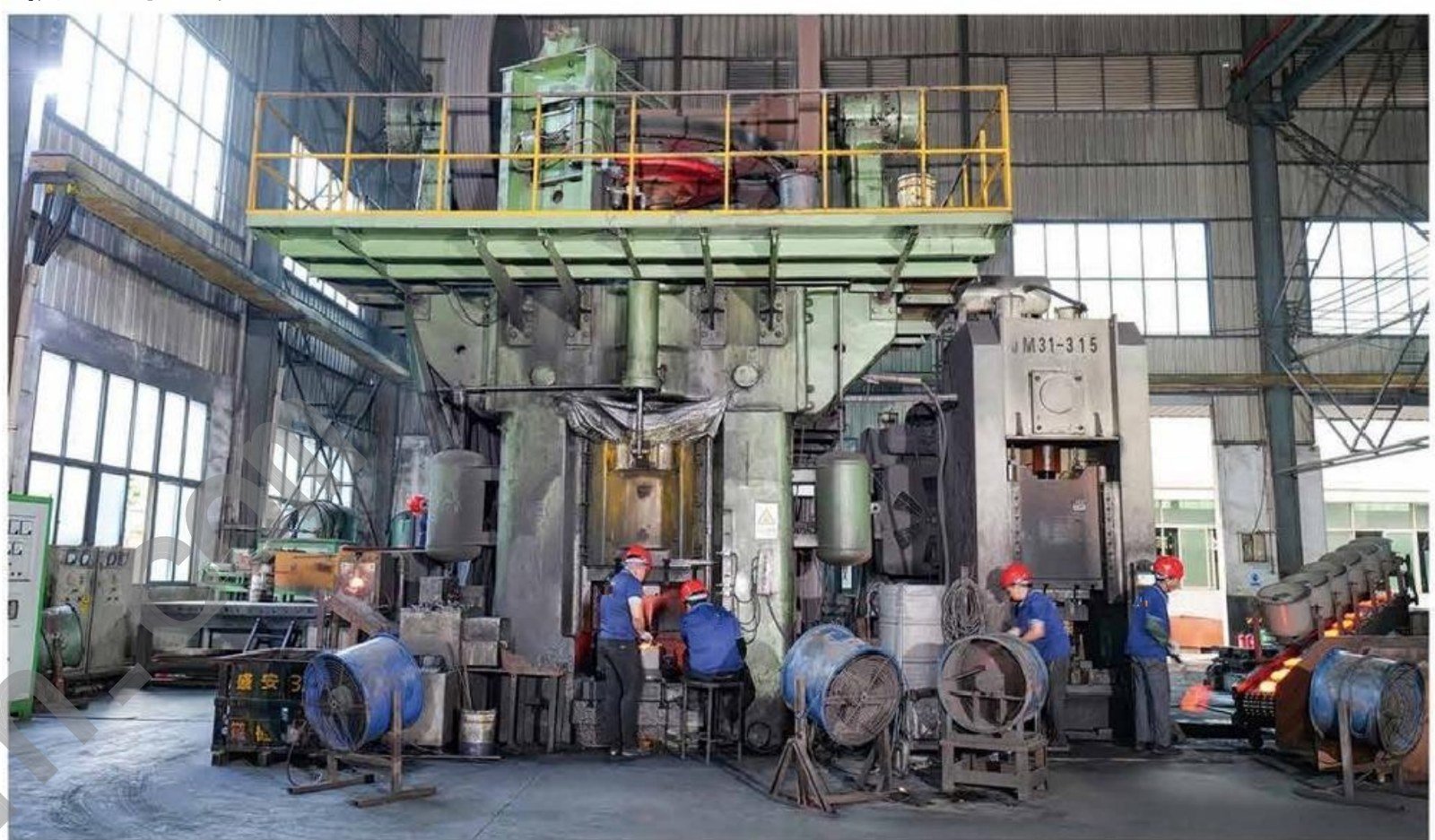
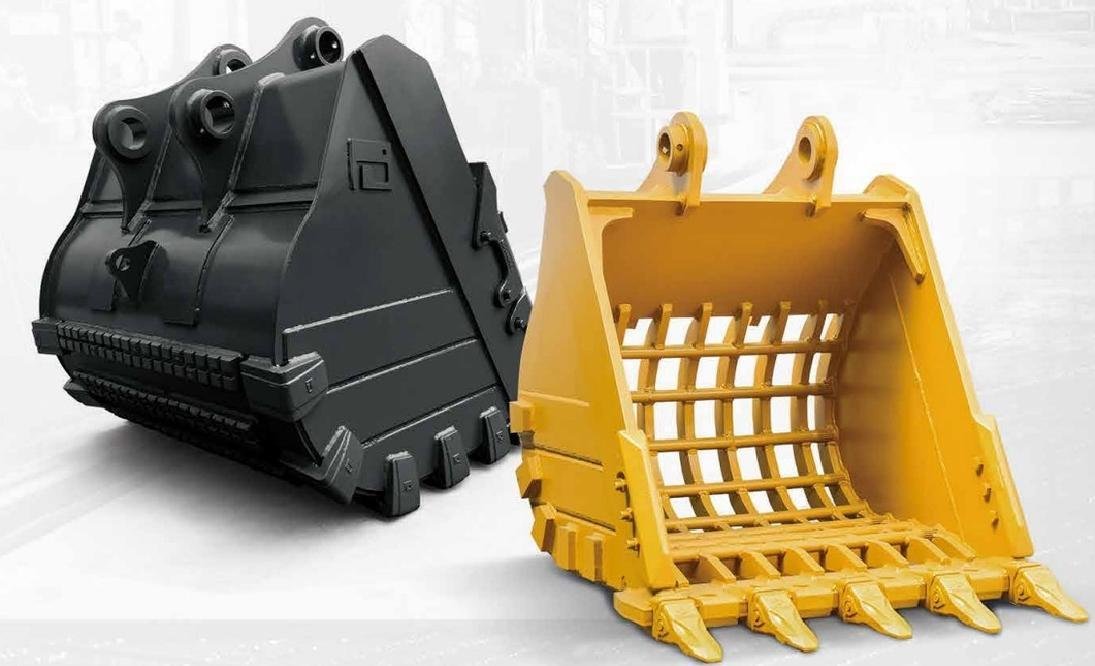
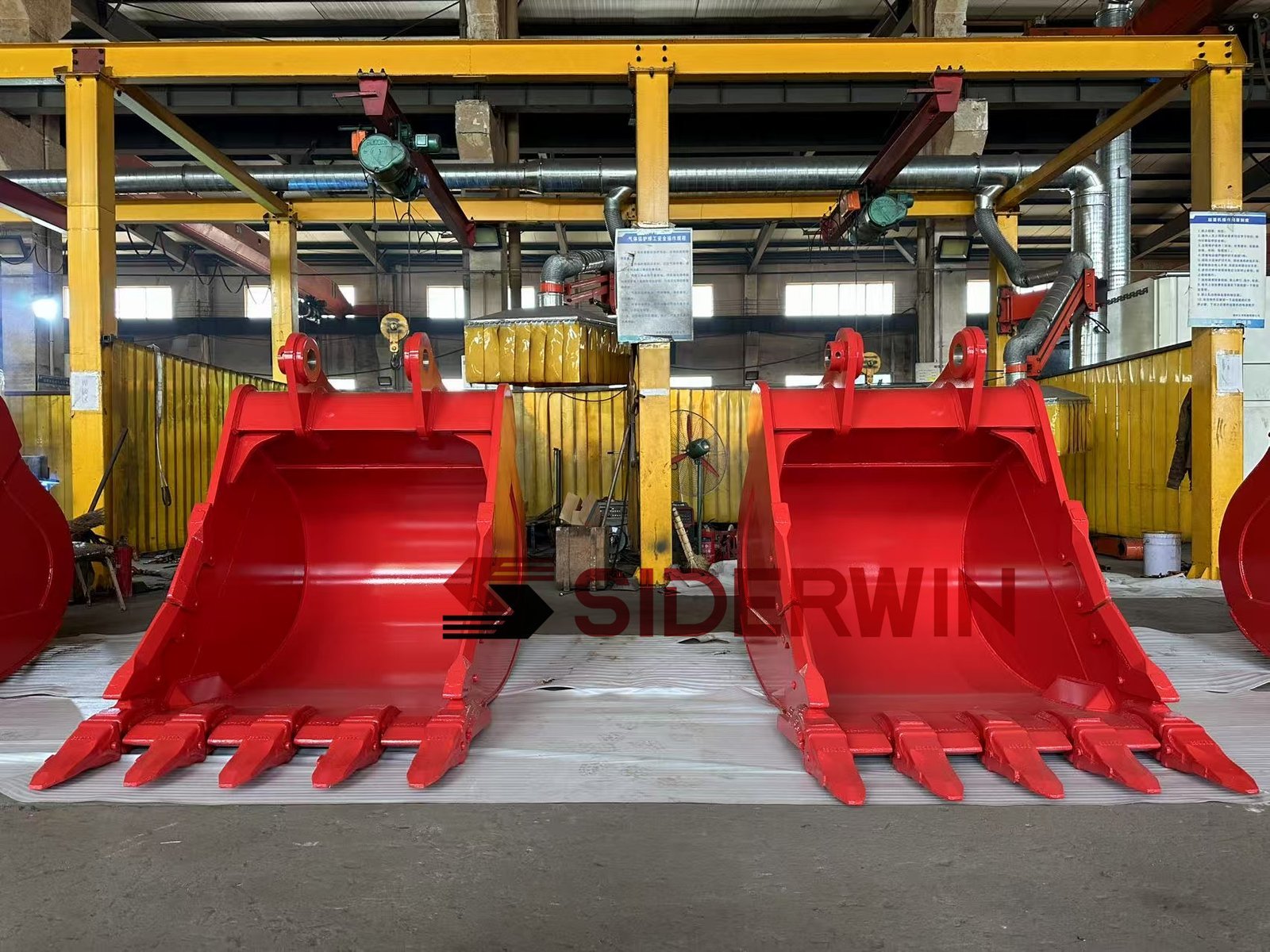
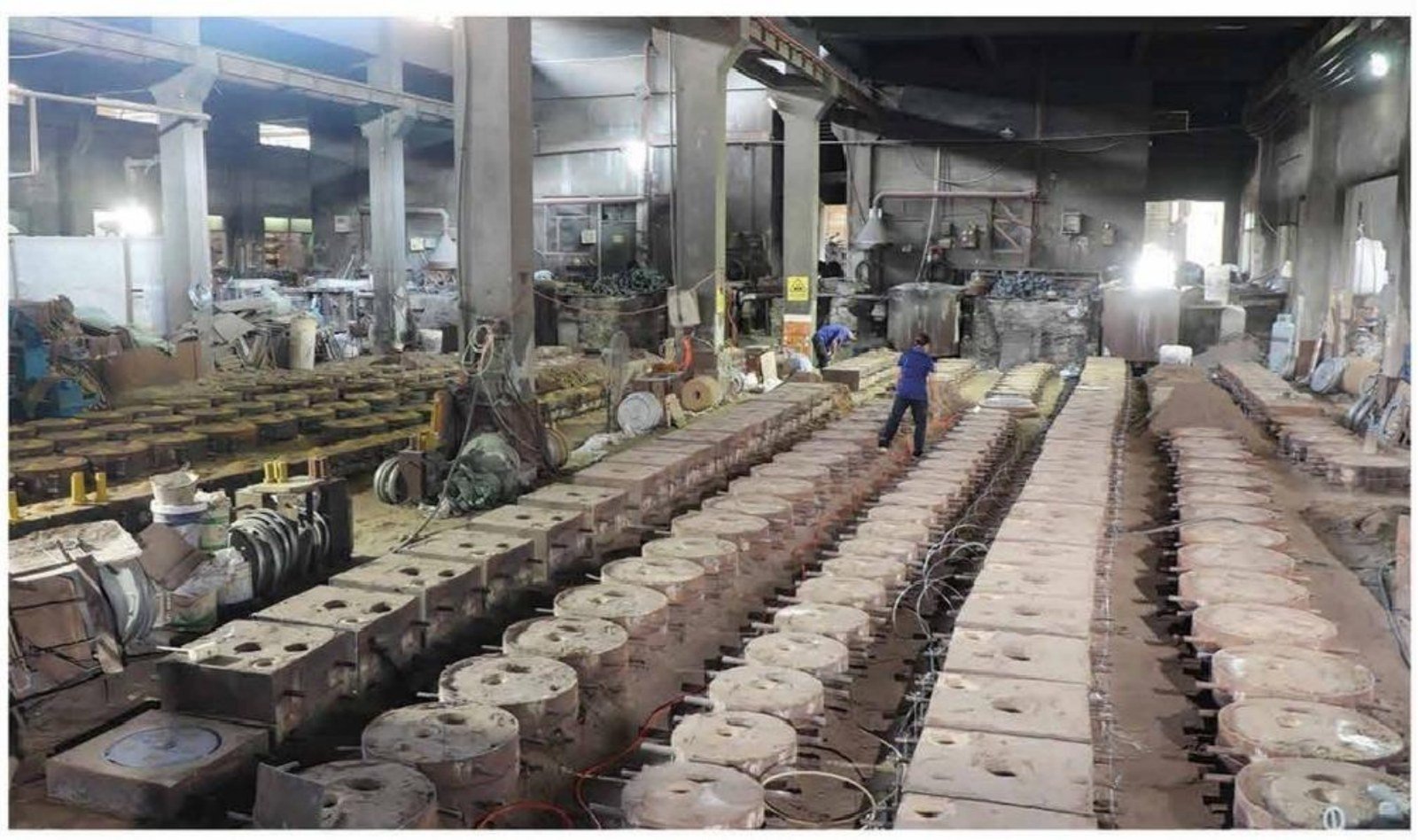
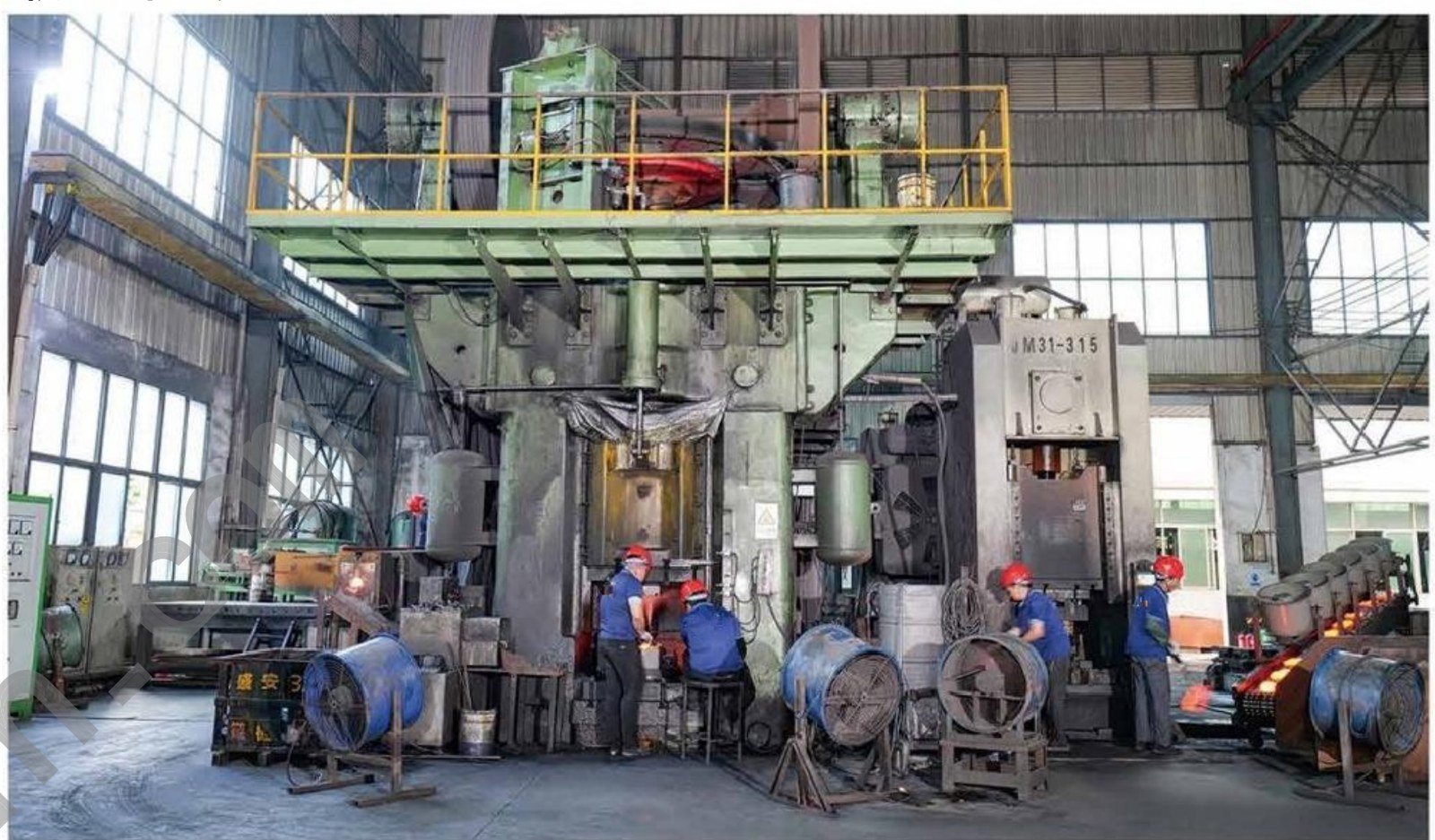
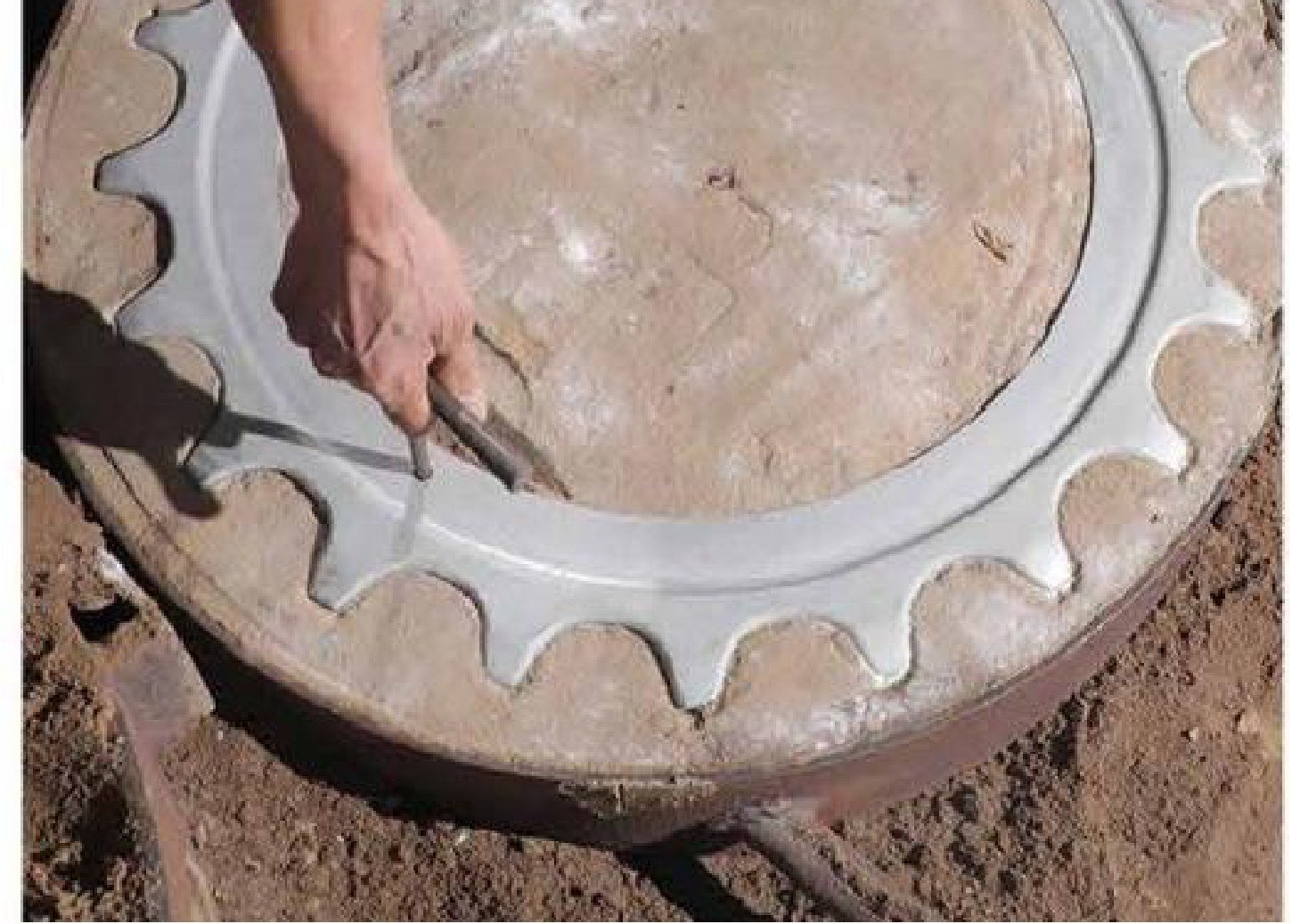
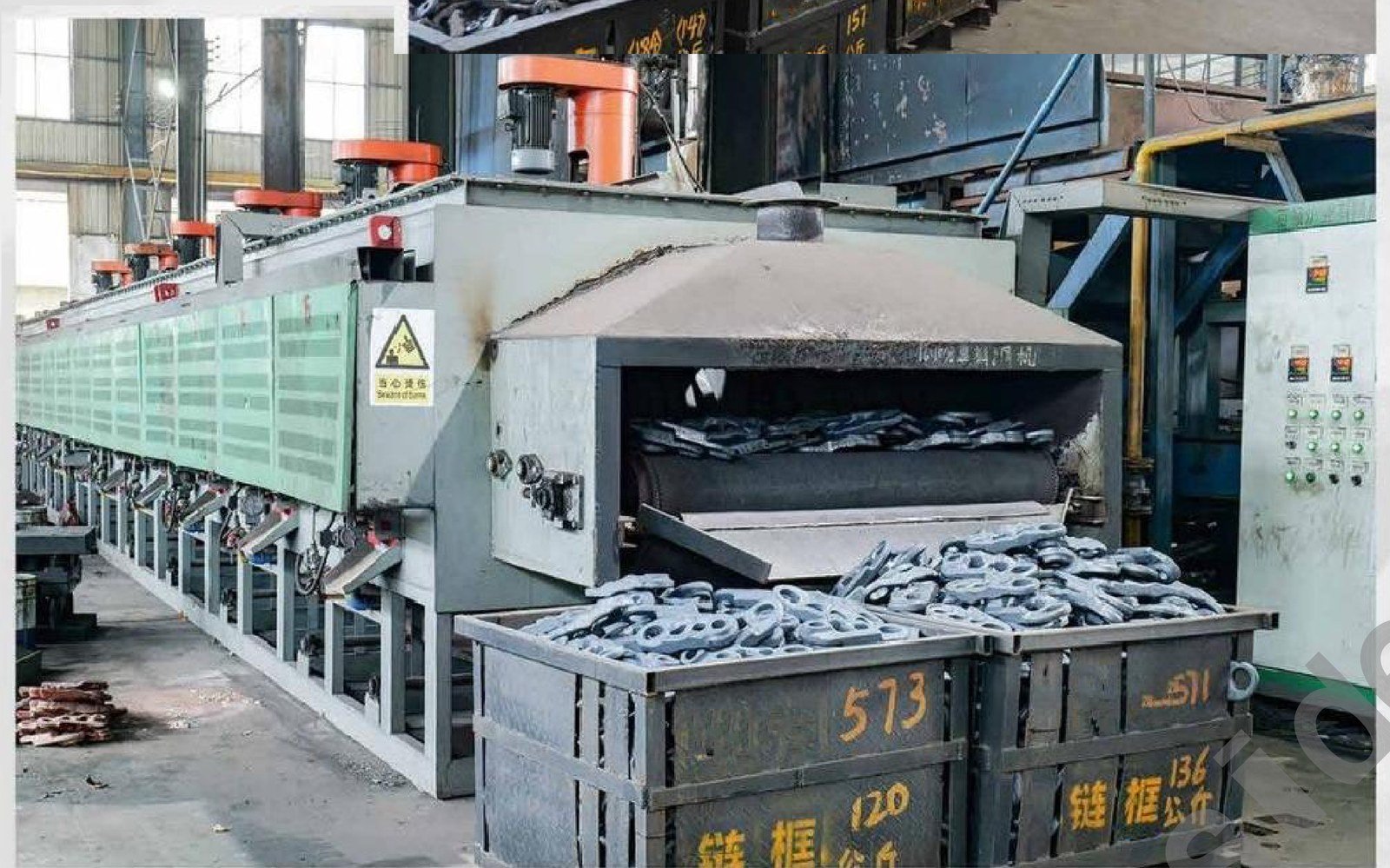
At Siderwin we manufacture the full range in question — track link assemblies, track shoes, swamp and crane track shoes, front idlers, sprockets and segments, track rollers and carrier rollers, plus bucket teeth, adapters, pin locks, retainers, cutting edges and complete excavator buckets, together with piling foundation tools including drilling buckets, core barrels, augers, cleaning buckets, bullet teeth with holders, roller bits and wear blades. We are an OEM supplier to SANY, Sunward and Zoomlion, and export to more than 20 countries covering Russia, Southeast Asia, Japan and Europe, from an 80,000 m² plant in Liuyang with a 4,000-ton forging line, in-house heat treatment and a physico-chemical laboratory for hardness, impact and metallographic testing.
If you are heading to Shanghai this November, bring your measurements and send them ahead. We will quote a sequenced matched set against your real wear data rather than a catalogue page, and you can hold the conversation at the booth against a written price. info@siderwin.com | WhatsApp/Tel: +86 181 4265 7536 | www.siderwin.com
Contact Hunan Siderwin Construction Machinery Co., Ltd
Undercarriage parts, bucket teeth, adapters, cutting edges and piling foundation tools
Email: info@siderwin.com | WhatsApp/Tel: +86 181 4265 7536 | Web: www.siderwin.com