To confirm excavator bucket fit, identify the exact machine and connection system, then compare an approved mounting drawing with the bucket you intend to buy. Pin diameters, pin centre distance and mounting gaps all matter. Width alone cannot prove compatibility. At Siderwin, we recommend collecting these details before requesting a replacement bucket quotation, especially when a machine has a quick coupler or a modified attachment.
A replacement can look almost identical to the old bucket and still have a different mounting arrangement. A machine model gives us a useful starting point. A clear drawing, reliable measurements and photographs provide the information needed to review the actual connection. This guide explains how to build that record without turning a rough field measurement into a manufacturing specification.
Why is the excavator model only the starting point?
Start with the complete model designation, machine serial reference and the installed arm arrangement. Avoid shortening a model name or relying on the operating weight class. Two machines in a similar size category do not automatically use the same bucket connection.
Also tell us whether the bucket connects directly to the machine or through a coupler. If a coupler is fitted, record its maker, model and identification plate separately. The coupler becomes part of the compatibility review. The excavator name by itself does not describe every attachment interface installed on it.
Previous modifications deserve special attention. Replacement ears, repaired bores or an aftermarket coupler can make the current arrangement different from an original specification. We ask buyers to flag these changes rather than assume that a catalogue match will settle the question.
Keep a photograph of the machine plate with the enquiry record. For a fleet order, label each record by machine. This avoids mixing measurements from one excavator with photographs from another. It also gives the person approving the order a traceable basis for the decision.
Which mounting dimensions should we confirm?
For a conventional two-pin arrangement, begin with the diameter of each connection pin, the distance between the pin centres and the relevant internal mounting gaps. Record both connection positions separately. Do not assume that one pin measurement describes the whole assembly.
Pin centre distance means the distance between the axes of the two pins. It is different from the open distance between the edges of two holes. If a measurement sheet uses letters such as A, B or C, ask for its drawing. Different suppliers can use the same letter for different features.
The mounting gap also needs an exact definition. Identify which inner faces are being measured and which connection they belong to. An outside ear width is not the same as an internal gap. A photograph with a labelled sketch can prevent this simple but costly misunderstanding.
Ask the supplier to state whether a listed diameter describes the pin, the finished bore or another component. These details are related, but they are not interchangeable manufacturing instructions. Fits and tolerances must come from the approved design for the actual connection.
We prefer one agreed drawing with each dimension clearly named. Keep the units visible throughout the enquiry. If a document contains both metric and imperial values, nominate the controlling units before approval rather than let rounding decide a critical fit.
How should we collect reliable measurements?
Arrange measurements with a competent technician using the applicable machine and attachment procedures. The equipment must be safely isolated and supported before anyone works around the mounting area. Do not reach beneath an unsupported bucket or use a moving machine as a measuring fixture.
Clean the accessible measuring surfaces so packed material does not disguise an edge. Use a suitable measuring instrument for the feature and record what was actually measured. A tape photograph can illustrate an overall distance, but it should not be treated as proof of a precise pin fit.
Note whether the pin is installed or removed, whether a bushing is present and whether the surface is visibly worn. Those observations help us interpret a measurement. A worn pin or elongated hole can describe the condition of the old assembly without revealing its original nominal size.
If the old bucket is distorted, stop using it as the only reference. Compare the machine specification, attachment drawing and technician's observations. We would rather resolve conflicting information before an order than build a replacement around damage that should not be copied.
Repeat an uncertain measurement and explain any difference. Mark a value as provisional when its reference points cannot be identified confidently. Recording uncertainty openly is more useful than sending an apparently precise number that was estimated from an angled photograph.
What changes when the machine has a quick coupler?
A quick coupler requires a separate fit check against its approved attachment requirements. Some systems accept a defined range of pin centres. That range belongs to the specific coupler model; it is not a general permission to fit any bucket of similar size.
Check the complete pickup arrangement, including the required pin configuration and clearances. Matching a diameter or seeing the front pin enter a hook does not establish that the rear locking mechanism can engage correctly. The coupler's instructions determine the proper engagement checks.
Send photographs showing the coupler identification plate and both attachment pickup positions. Include its operating manual or the relevant attachment specification if available. We can review the proposed bucket against that information, while the installer remains responsible for following the actual coupling procedure.
Confirm who supplies the attachment pins and retaining hardware. Direct mounting and coupler pickup can use different arrangements. Do not transfer pins from the old assembly solely because they appear to fit, and do not substitute a pin material or retention method without approval.
If the coupler identity is unknown, obtain it before placing the order. A replacement bucket quotation should identify the connection it is intended to support. An unresolved interface should stay an open question in the enquiry, not disappear behind a broad statement of compatibility.
Can a bucket fit the pins and still be unsuitable?
Yes. Mounting compatibility is only one part of replacement selection. Bucket weight, capacity, width and the intended material must also suit the machine configuration and its approved attachment limits. A bucket that connects successfully is not automatically suitable for the work.
We ask whether the replacement will keep the existing duty or change it. Moving from ordinary digging to demanding rock work can change the requested construction and wear protection. Describe the material and task clearly, while keeping any claimed machine limits tied to its own documentation.
Specify where bucket width is measured. Cutting width, body width and the widest point across side protection may differ. A trench requirement needs a clear definition, especially when protruding wear parts could affect the finished opening or site clearance.
Ask how capacity is stated and which configuration the quoted weight includes. Teeth, side cutters and other protection should be identified in the supplied assembly. Comparing two quotations is easier when both describe the same package rather than use an unexplained headline capacity.
These questions support a usable replacement specification. They do not justify a universal bucket size for every machine in a weight class. We avoid quoting a single safe capacity without the machine, arm, coupler and material information needed to assess it.
Which photographs make a bucket enquiry easier to review?
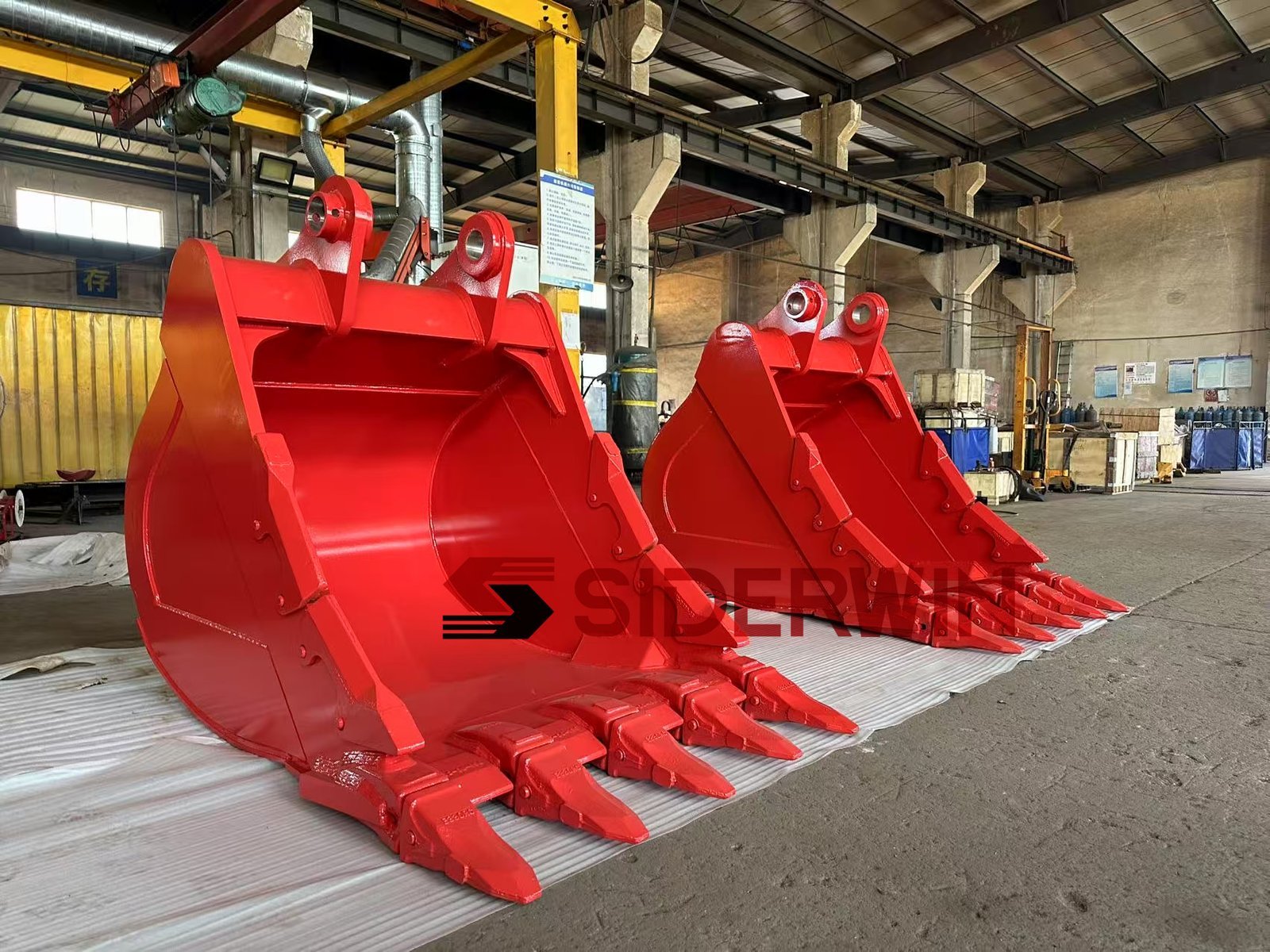
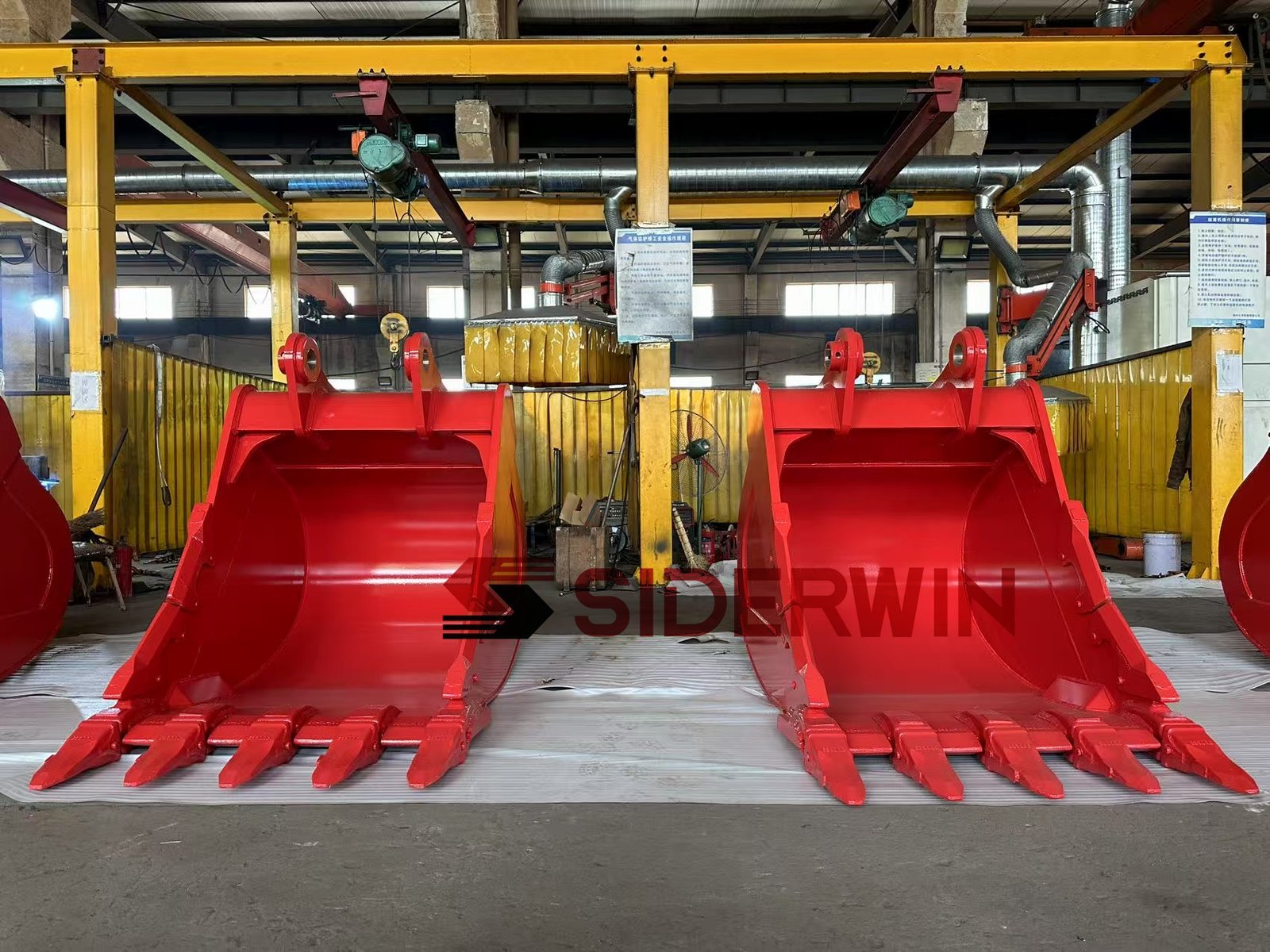
Take an overall front view and a side view of the existing bucket. These show its general shape, cutting arrangement and mounting location. Then add clear views of the mounting ears, pin positions and any identification plate. Keep each photograph associated with the correct machine record.
A close photograph should show the feature being discussed, with enough surrounding detail to establish its location. Good light and a steady camera are more helpful than a distant picture of the entire worksite. Clean accessible surfaces when safe, but do not remove identifying markings.
Photograph repairs, unusual spacers and visible damage separately. Explain what they show. A photograph of a repaired ear should not be presented as the original design, and a dimension taken across extra spacers should be labelled accordingly.
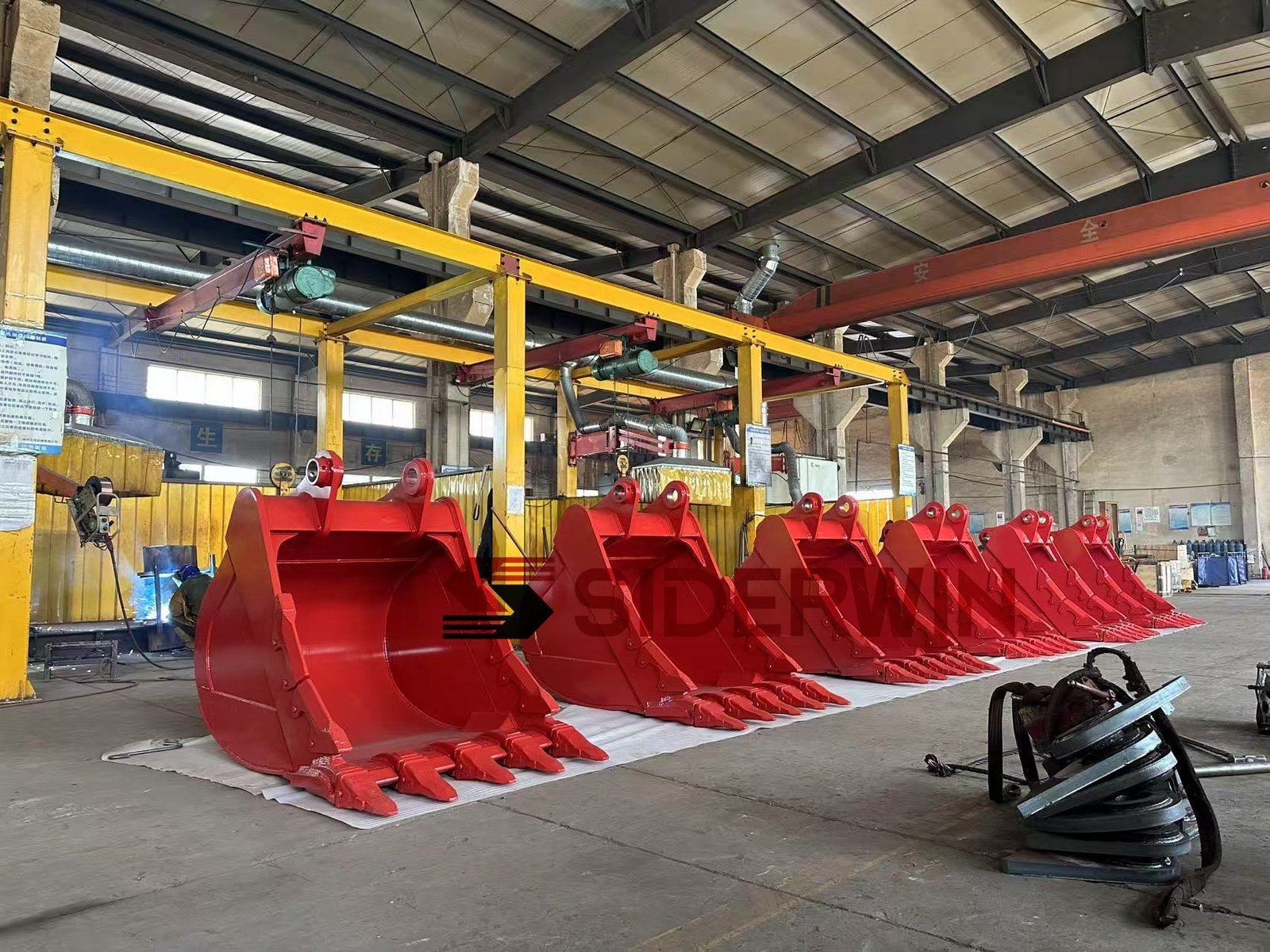
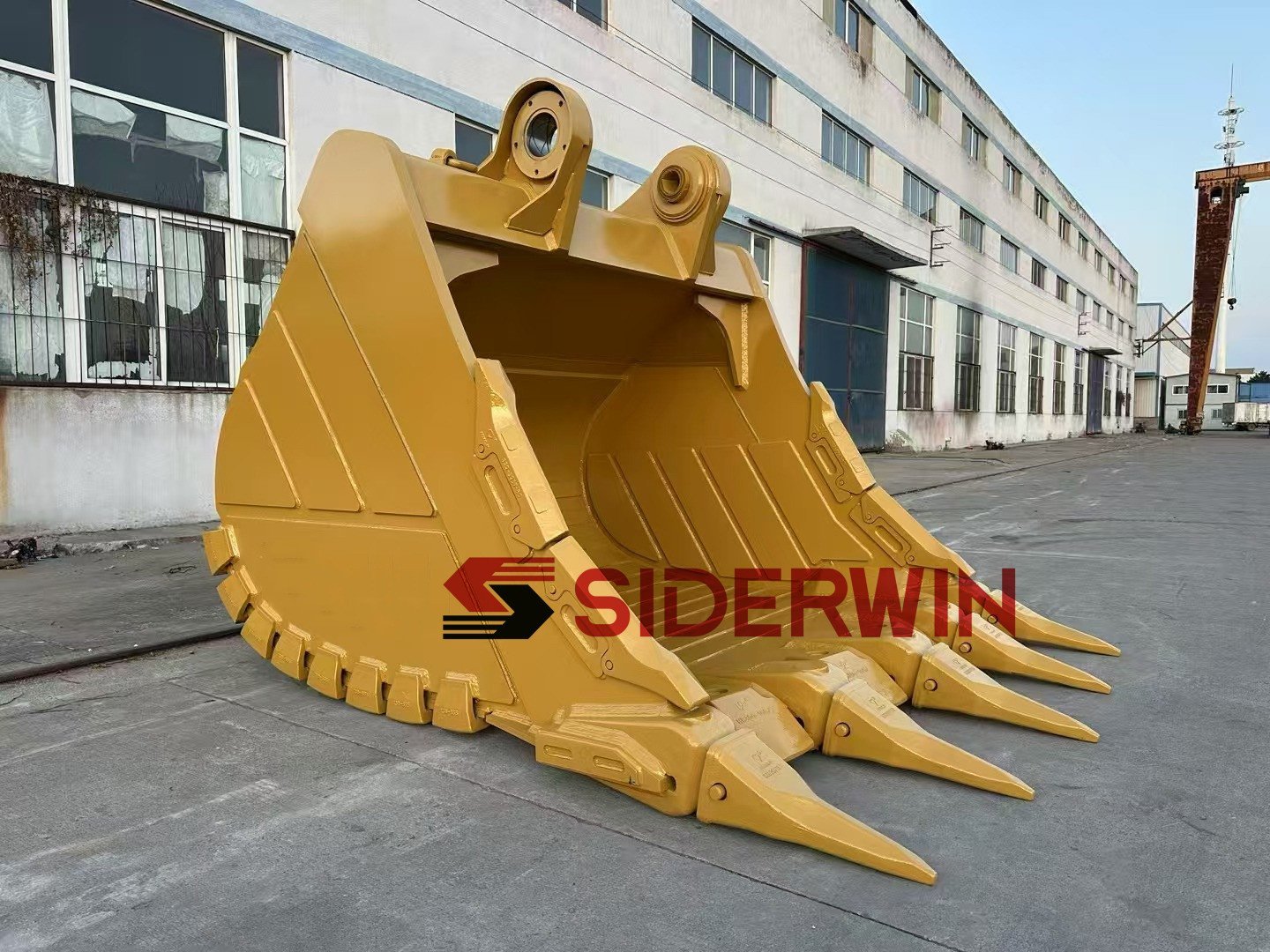
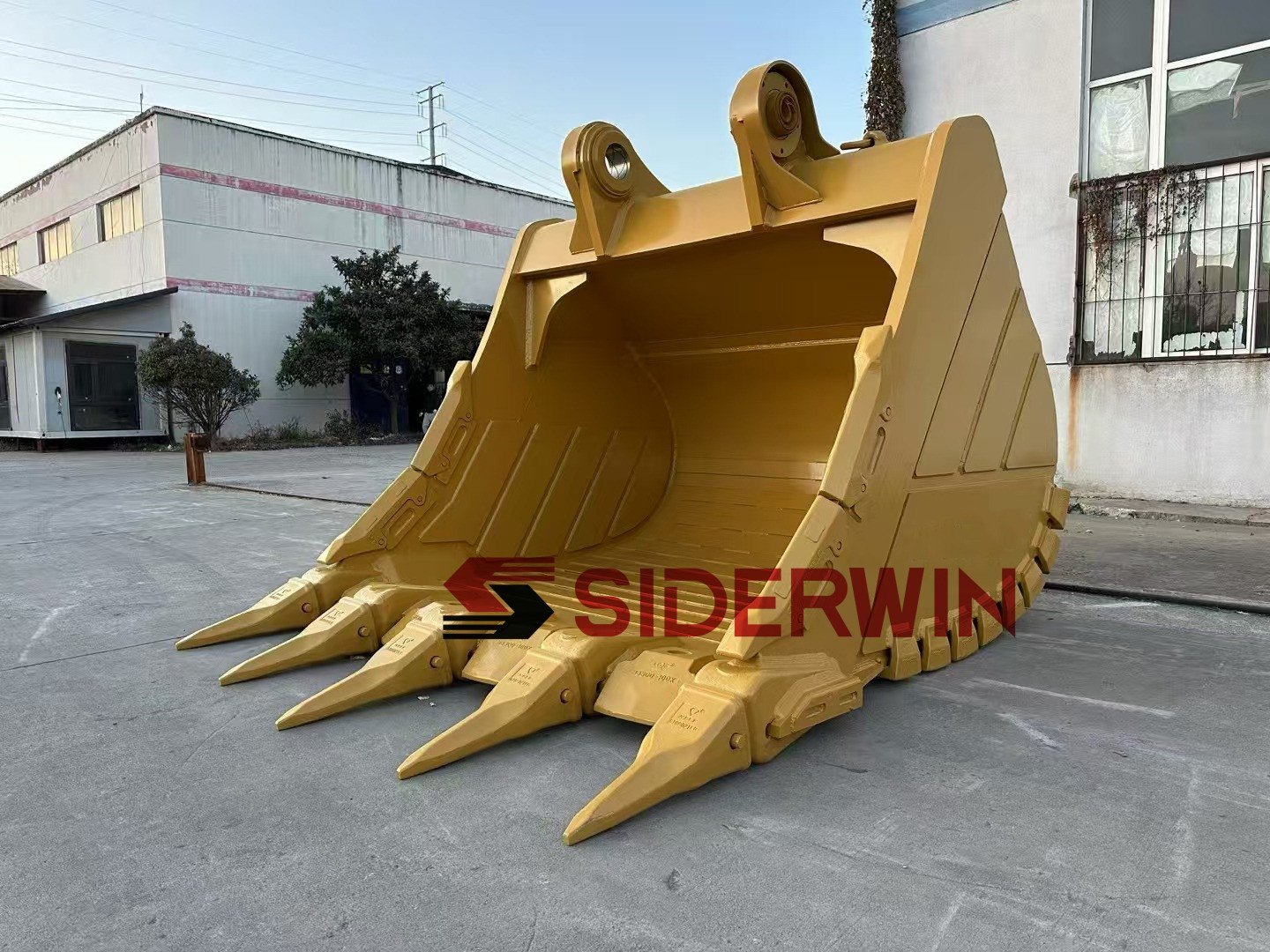
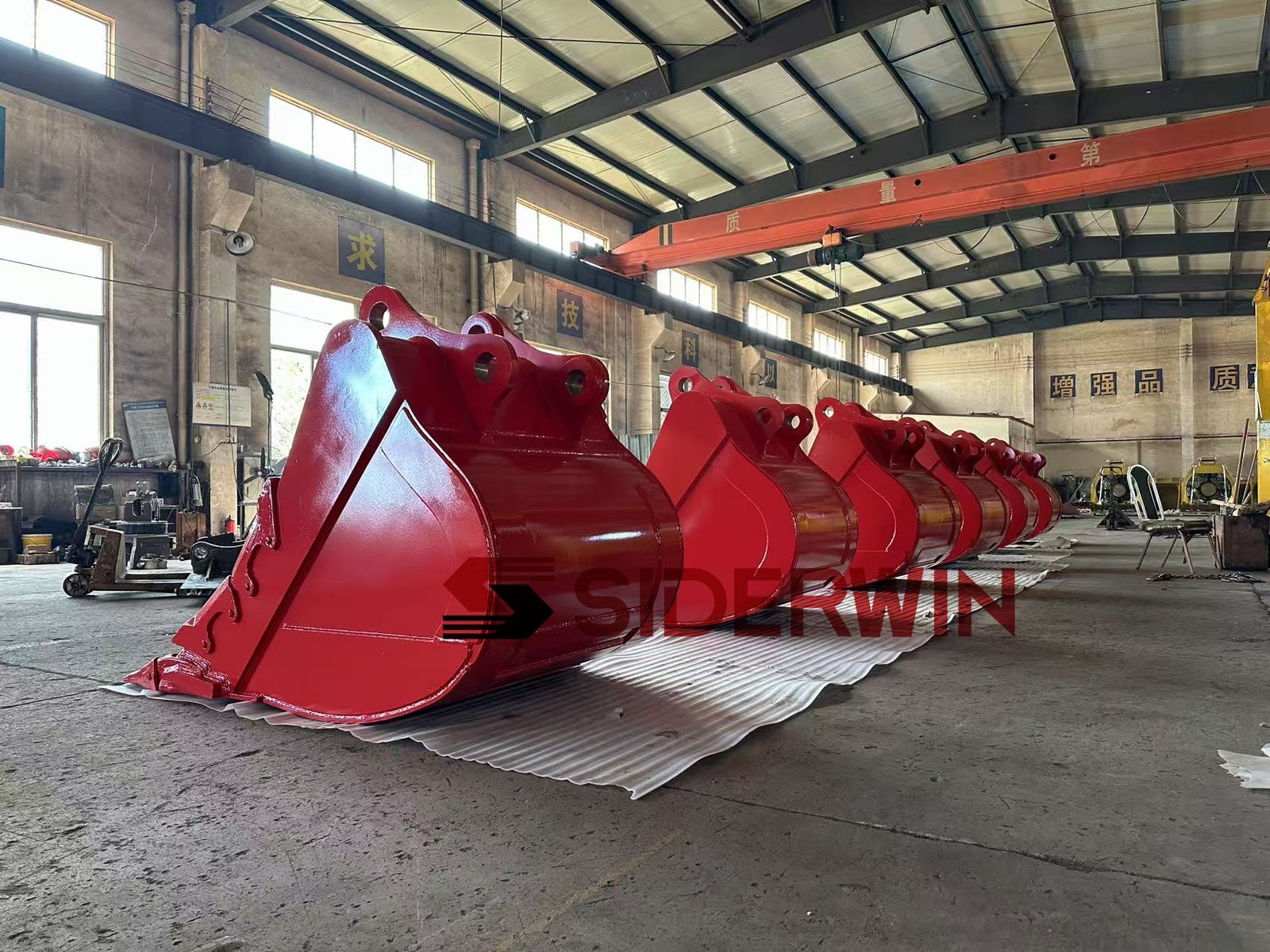
The product photographs in this article illustrate bucket bodies, mounting ears and cutting arrangements. They are not measurement evidence for your machine. We still need your own connection record before reviewing a specific replacement enquiry.
What should a complete quotation checklist contain?
We suggest keeping the following information in one enquiry sheet. It is a practical record for discussion, not a substitute for an approved engineering drawing. Leave an unresolved field open and state what additional information is needed.
| Detail | What to send | What needs confirmation |
|---|---|---|
| Machine identity | Full model, serial reference and arm configuration | The exact machine covered by the enquiry |
| Connection type | Direct mounting or coupler identification | The intended attachment interface |
| Pin arrangement | Both pin references and labelled dimensions | Nominal size, supplied pins and retention |
| Mounting geometry | Centre distance and defined internal gaps | Drawing reference, units and tolerances |
| Bucket duty | Material, task and required cutting width | Construction and wear protection requested |
| Complete assembly | Capacity basis, weight and included parts | A comparable scope of supply |
Attach the photographs and record the date of the measurements. If several people contribute information, identify which drawing revision consolidates their findings. One current sheet is easier to review than several messages with conflicting values.
Separate confirmed data from requests. For example, an existing connection measurement describes the machine interface, while a desired cutting width describes the new bucket. Labelling these differently prevents an old bucket feature from becoming an unintended requirement.
For multiple buckets, list quantities and configurations individually. Do not combine a narrow digging bucket and a wider finishing bucket under one incomplete line item. Each assembly needs its own defined mounting and scope, even when both are intended for the same excavator.
How do we review the drawing before approving an order?
Ask for the proposed bucket drawing and compare it with the agreed enquiry sheet. Check the mounting dimensions first, then the width, intended assembly and any clearance information supplied. A familiar outline should not distract from a changed number or missing reference.
Review the document revision and date. If a dimension changes during discussion, request an updated drawing rather than approve an old version alongside a separate correction. The final order should point to one clear specification that both parties can retain.
Confirm the scope of supply in writing. State whether pins, bushings, retaining components, teeth and side protection are included. Ask about the replacement references for wear parts so the maintenance team can identify them after delivery.
Resolve discrepancies before manufacturing approval. A sensible review may reveal that a field measurement needs checking or that a coupler document is missing. That is useful progress. It is better to clarify the interface now than discover the uncertainty beside a delivered bucket.
What should we check when the replacement arrives?
Compare the delivered identification and documents with the approved order before installation. Inspect for transit damage and check that the supplied components match the agreed package. Keep the drawing and packing information with the machine's attachment record.
A qualified installer should verify the connection using the machine and coupler instructions. Follow the specified retaining, locking and operational checks. Do not grind, drill or force a connection to make an unexpected fit problem disappear. Contact the supplier with the drawing reference and clear evidence instead.
After installation, retain the confirmed attachment details for the next replacement enquiry. A reliable record reduces repeated identification work and helps the team keep different fleet configurations separate. Update it when the coupler, arm or mounting arrangement changes.
At Siderwin, we welcome replacement bucket enquiries supported by a full machine reference, connection photographs and a labelled mounting drawing. Send those details with your working material, requested width and quantity. We can then discuss the proposed excavator bucket fit and quotation scope with a clear starting point, before you approve an order.