Excavator Track Tension: Winter Sag Settings, Adjuster Care and the Real Cost of Getting It Wrong
November opens the cold-season window across the northern hemisphere, and winter maintenance guides published this month keep returning to one undercarriage setting: track tension (source: CMPartsCN excavator winter maintenance guide 2026). It takes two minutes to check, costs nothing to correct, and decides how long every roller, idler and chain link will last. For buyers in Canada, Northern Europe and the US Midwest, the first cold morning is when a summer-perfect setting turns overtight.
Why Tension Is the Cheapest Setting You Get Wrong
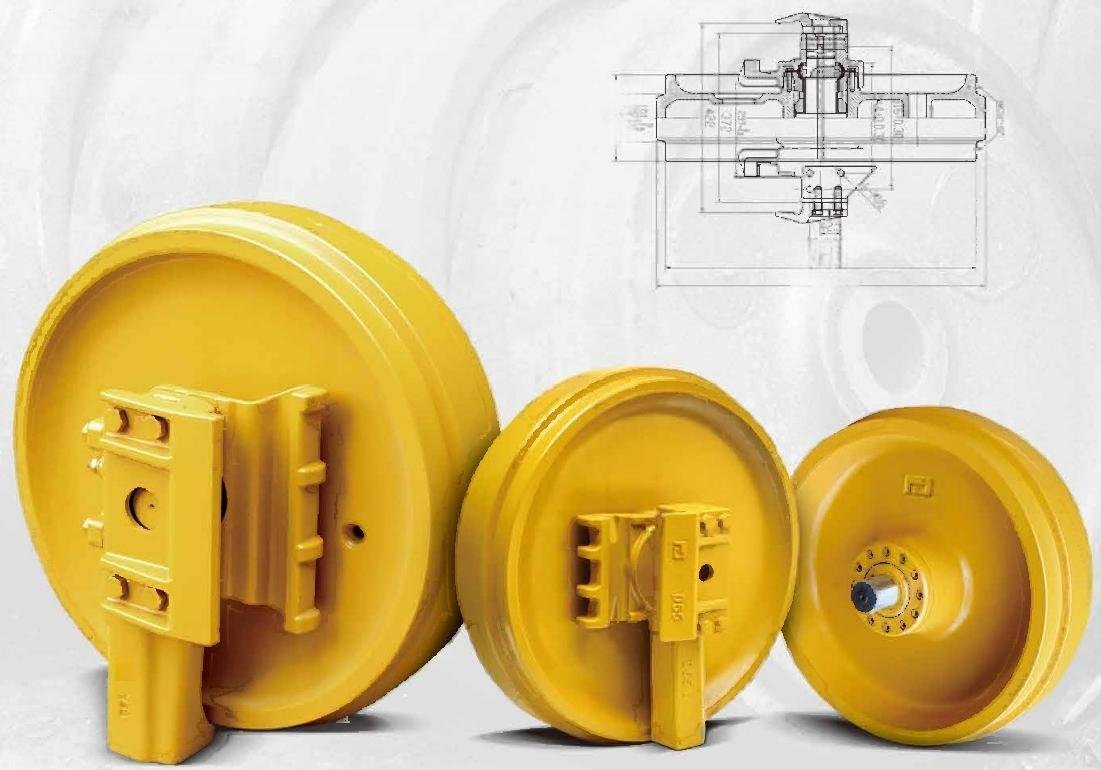
Undercarriage can account for up to 50 percent of total wear-and-tear cost on tracked equipment (source: Earthmovers Equipment Magazine). Of everything that decides when that bill arrives, tension is the input operators touch most often and set most casually. A track set by feel, checked rarely and left wherever it landed spreads damage silently: too tight loads every bushing-to-sprocket engagement past its design point; too loose lets the chain whip, climb the teeth and eventually derail. Both cost more than the five-minute measurement that prevents them (source: Origin Machinery track tensioning and recoil adjuster guide).
How to Measure Sag the Right Way
Tension is checked as sag, not as a force. Clean the undercarriage, park on level ground, drive forward and coast to a stop so the slack settles into the top span of the chain. Lay a straightedge from the top carrier roller to the front idler and measure down to the lowest point of the chain at mid-span (source: Centex Excavation undercarriage wear and maintenance guide).
Typical published sag windows, measured by this top-span straightedge method:
| Machine class | Typical sag window | Note |
|---|---|---|
| Mini excavators (steel track) | 15–30 mm | Rubber tracks run tighter, roughly 15–25 mm |
| Mid-size excavators (13–30 t) | 25–50 mm | Some manuals express the target as 1–2 in |
| Compact / iron-finish work | 40–60 mm | Example: 400–550 mm steel tracks on a 5 t-class machine |
(sources: XMGT track adjuster assembly guide; SJ-GET undercarriage maintenance tips; JCB 48Z-1/51R-1 service manual data)
Always convert the figure in the machine’s own manual — measurement points differ between manufacturers (source: Centex Excavation).
Winter Changes the Number
Cold weather moves every correctly set track toward overtight. Steel contracts, and the grease inside the tensioner loses volume, so a track that reads correct in a heated shed will be overtight on a −25 °C morning — and overtight tracks crack idler bushings and stretch the chain. The seasonal rule is simple: measure cold, in the morning, and set the track slightly looser than the warm-climate mark. Below about −15 °C, switch to a low-temperature NLGI 1 grease for idlers, rollers and the tensioner itself, because standard lithium grease stiffens sharply and the adjuster stops responding cleanly (source: CMPartsCN excavator winter maintenance guide 2026).
Ground contact matters too. Frozen or snow-covered ground hides debris that packs between the links and silently tightens the track. Do not park on snow or wet ground — freeze-thaw pulls moisture into open pin bores — and for machines stored 30 days or longer, relax the tension and lay the tracks on wooden dunnage rather than frozen ground (source: CMPartsCN winter guide 2026).
The Adjuster Is a Spring, Not a Lock
Inside the track frame, a grease-filled cylinder pushes the front idler forward, and a recoil spring sits behind it. That spring is the part buyers forget: its job is to absorb shock when the track hits a rock, letting the idler recoil and re-establish tension. An adjuster cranked up tight until it cannot move has been defeated — every impact now goes straight into the chain, the idler bearings and the track frame (source: Origin Machinery track tensioning guide).
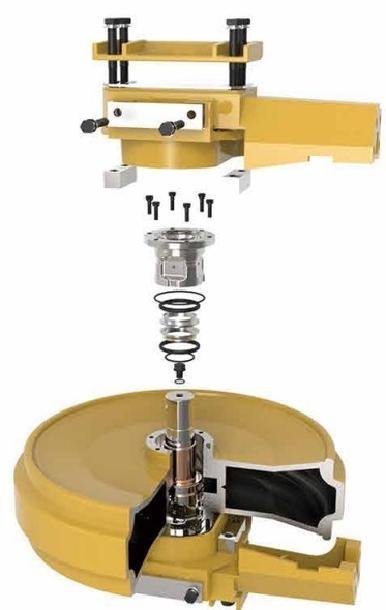
One safety note belongs in every crew briefing: the grease in a track adjuster cylinder sits under extreme hydraulic pressure. Never back the bleeder valve out more than one to one-and-a-half turns, never remove the fitting under pressure, and never stand in line with the valve (source: XMGT track adjuster assembly and safety guide).
Reading the Adjuster’s Failure Symptoms
Four symptoms cover most adjuster failures, each pointing to a different repair:
- Tension drops within hours of pumping grease — blown internal piston seal; rebuild or replace the cylinder.
- Grease weeping around the fitting — damaged check valve or ball seat; replace the fitting assembly.
- Idler will not retract when bleeding grease — seized cylinder shaft or dirt-pack buildup; replace the adjuster unit.
- Squeaking or crooked idler movement — broken recoil spring coil; replace the complete recoil assembly.
(source: XMGT track adjuster troubleshooting guide)
What Getting It Wrong Costs
Field cost data makes the two-minute check easy to justify. A derailed track takes 2–4 hours to refit with the shift stopped; twisted links from a derailment run about USD 1,000 per link, an idler about USD 2,000, a worn sprocket about USD 1,500 and rollers USD 500 each — while a full undercarriage replacement sits in the USD 25,000–40,000 range. Correctly tensioned tracks last about 4,500 hours against roughly 2,500 hours loose and 2,000 hours tight; sprocket life spreads from 2,000 hours tight to 5,000 hours correct (source: Machinery Forum track tension cost analysis).
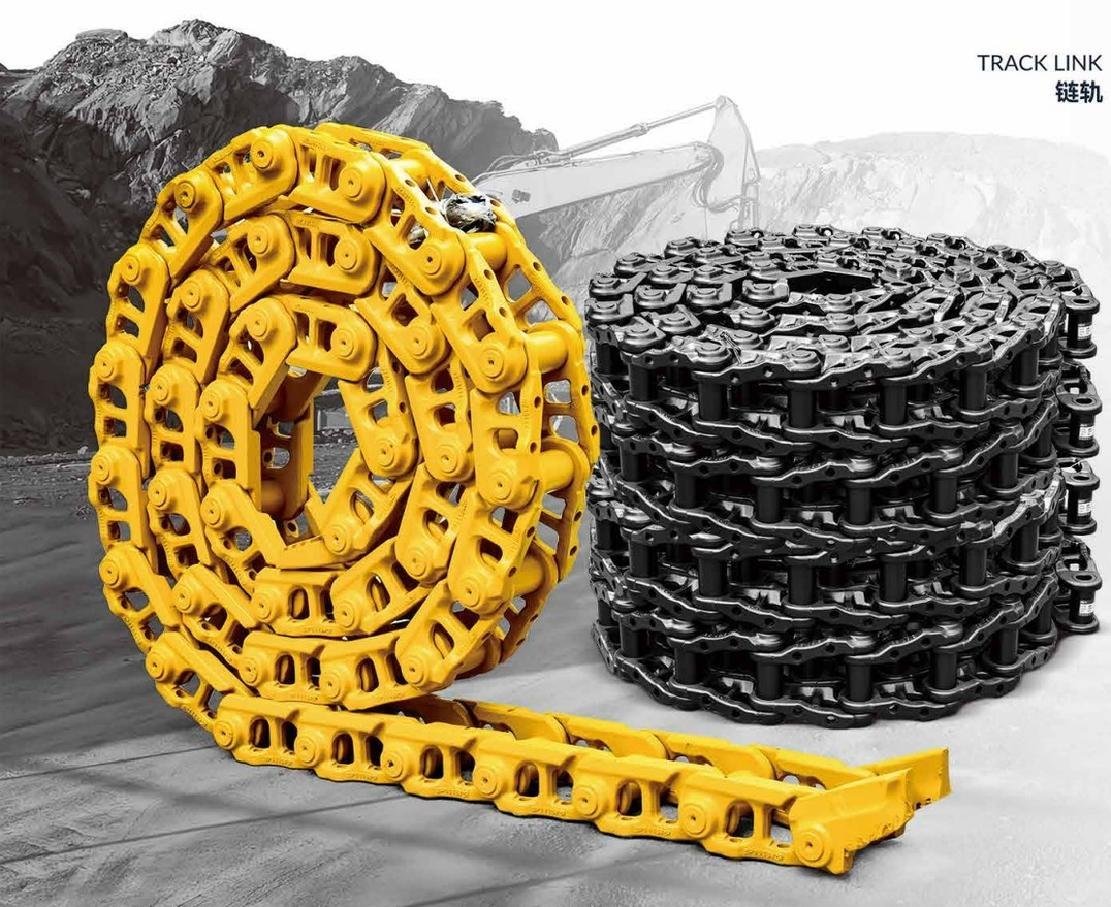
The end-state symptom is pitch elongation. As pins and bushings wear internally, the chain’s effective pitch grows; past roughly 3 percent elongation the bushings no longer engage the sprocket teeth and the chain starts riding over them with an audible click. In one documented case, a mid-size machine at 5,800 hours measured 199.5 mm average pitch against a 190 mm specification — about 5 percent — and needed a complete chain assembly (source: LoaderMarket M315F track fault case study).
A Cold-Season Tension Routine
- Daily, two minutes: visual sag check on both tracks, listen for clicking at the sprocket, feel for hot rollers after travel.
- Every 50 hours or weekly: clean the undercarriage, measure sag on both sides, and keep the left-right deviation within about 5 mm (source: Haoda Heavy track tension inspection cycle guide).
- After every trigger: re-check when the material changes (rock runs tighter than dirt), after large temperature swings, and after any track work.
- Every 250 hours: record pitch, sag and component wear in a wear ledger so elongation trends are visible before they fail (source: SJ-GET undercarriage maintenance tips).
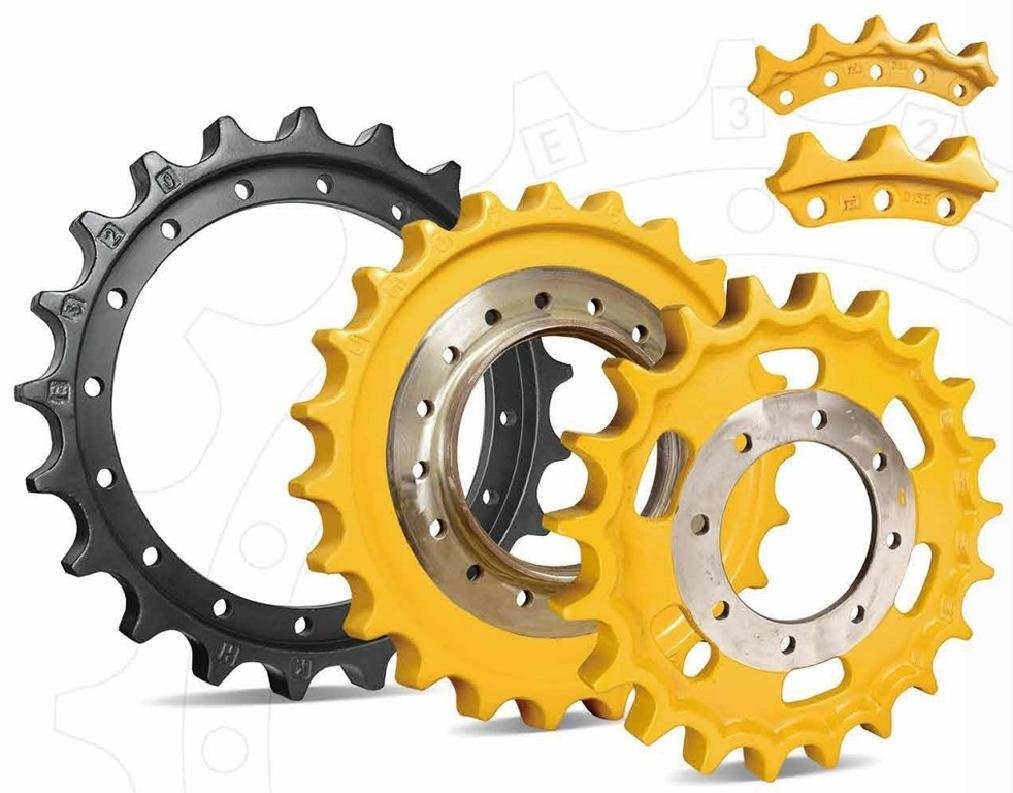
When the measurement rather than the setting is the problem — pitch beyond limit, shoes below thickness, or an idler that will no longer hold sag — replace the loop’s components as matched sets, because a new chain on a worn sprocket wears at roughly double the normal rate (source: XCG Machinery undercarriage matching guidance).
Sourcing Matched Undercarriage Parts for Winter Fleets
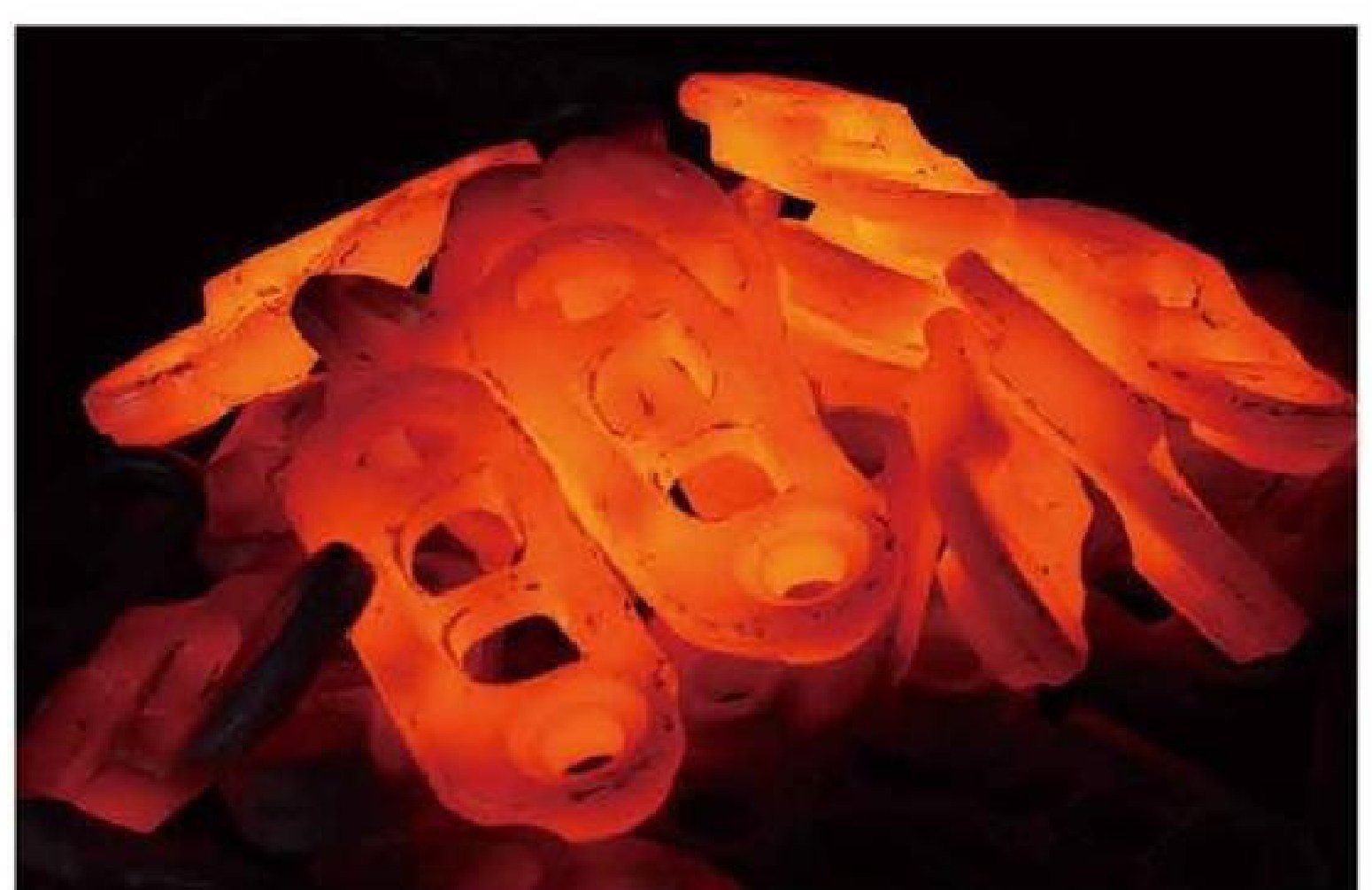
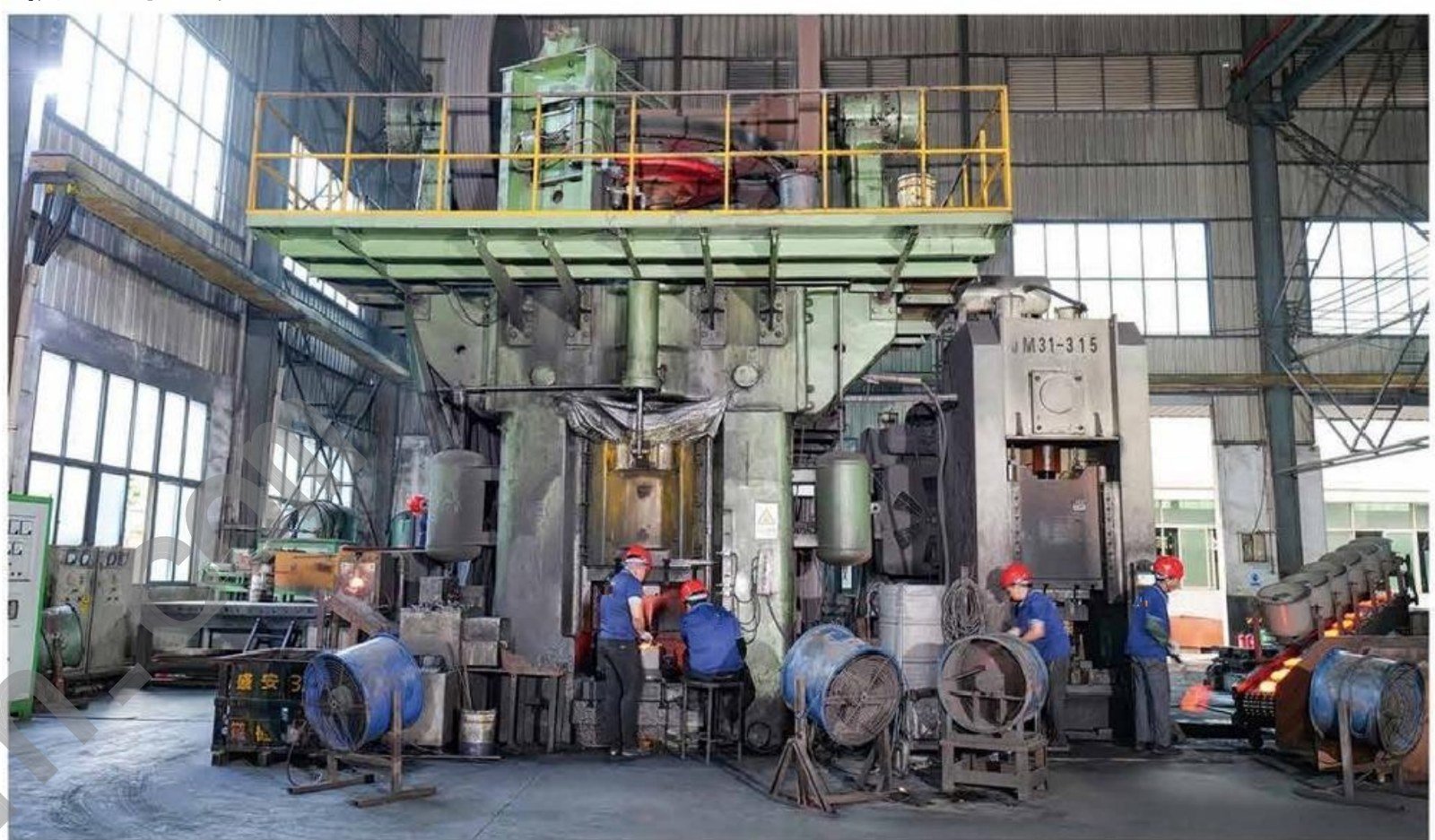
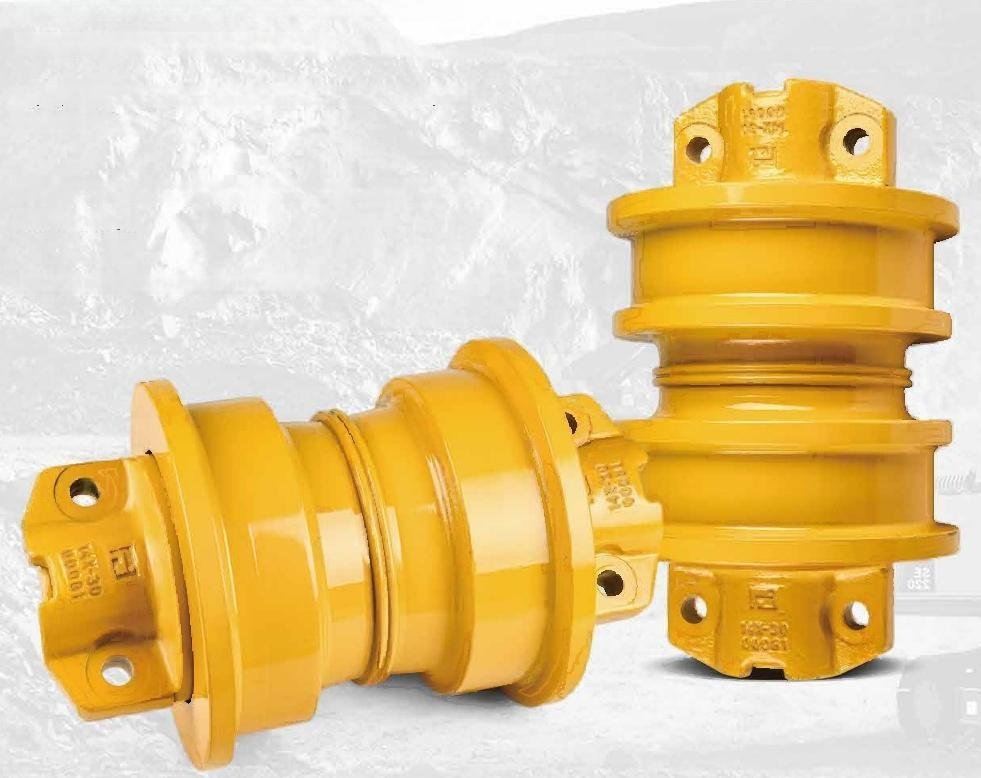
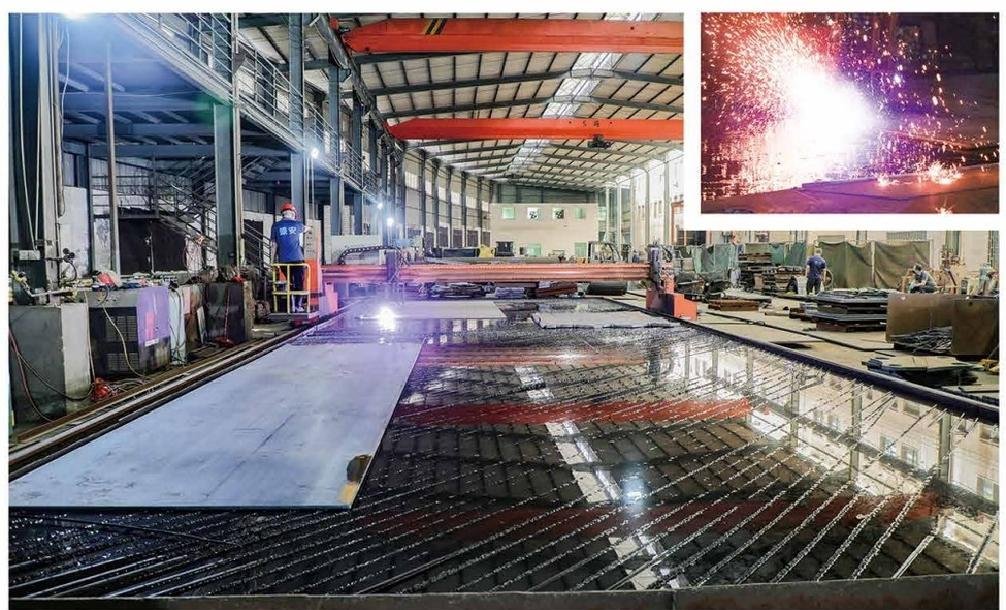
Hunan Siderwin Construction Machinery manufactures the full undercarriage wear package at its 80,000 m² Liuyang facility: track chains in pitch classes from 101.6 mm to 260 mm in 35MnB steel, 50–55 HRC surface hardness, track shoes in 25MnB, swamp and crane track shoes, front idlers, sprockets, track rollers and carrier rollers. The process route — 30 kW laser cutting, a 4,000-tonne forging line, robot welding and in-house heat treatment with impact, tensile, hardness and metallographic testing — keeps hardness bands and tolerances repeatable across a container, not just across a sample. A supplier to SANY, Sunward and Zoomlion and an exporter to more than 20 countries, Siderwin ships matched undercarriage sets specified to each machine model and ground condition.
Get the Winter Setting Right Before the Frost Does
Before the first hard freeze, put the sag spec back in every operator’s pocket, switch the tensioner grease, and walk the fleet once. If the walk turns up pitch elongation, worn sprockets or idlers that will not hold tension, send the machine model and the measurements — we will match the parts.
Contact Hunan Siderwin Construction Machinery Co., Ltd
Email: info@siderwin.com | WhatsApp / Tel: +86 181 4265 7536 | Web: www.siderwin.com