Foundation projects often slow down because the drilling tool cannot handle hard soil or rock. I have seen projects lose time and money because of the wrong drilling bucket selection.
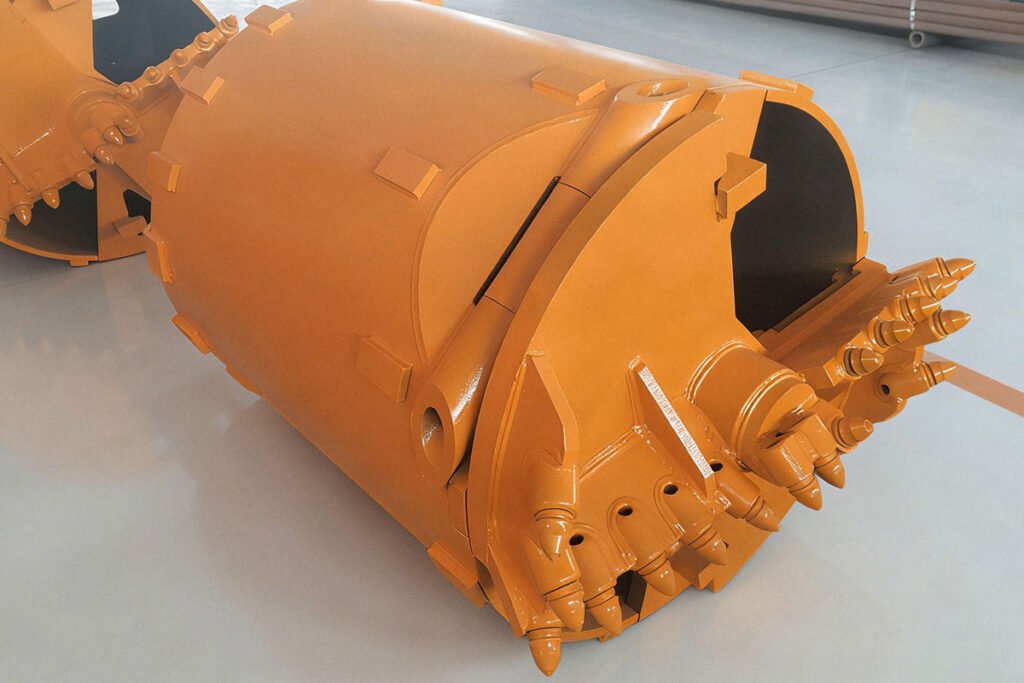
A drilling bucket is a piling foundation tool used on rotary drilling rigs to remove soil, clay, sand, gravel, and rock from deep foundation holes. It improves drilling speed, hole quality, and jobsite efficiency in foundation construction projects.
A few years ago, I worked with a contractor who faced serious wear problems during a metro foundation project. Their drilling bucket failed after only a short period. After we changed the bucket design and cutting teeth system, the drilling speed improved a lot.
[Table of contents]
- What is a drilling bucket used for?
- How does a drilling bucket work?
- What are the main types of drilling buckets?
- Which drilling bucket teeth are best for different ground conditions?
- How do I choose the right drilling bucket?
- What materials are used in drilling buckets?
- Why does drilling bucket quality affect project costs?
- How do I maintain a drilling bucket?
- What problems happen when using the wrong drilling bucket?
- Why do many contractors choose custom drilling buckets?
What Is a Drilling Bucket Used for in Piling Foundation Projects?
Many buyers only focus on drilling rigs. They often ignore the bucket itself. This mistake causes poor drilling performance and expensive downtime.
A drilling bucket is mainly used to excavate soil and rock during bored piling and deep foundation construction. It helps create stable and accurate holes for bridges, buildings, ports, and infrastructure projects.
Why Is the Drilling Bucket So Important?
The drilling bucket directly affects:
- Drilling speed
- Hole cleanliness
- Fuel consumption
- Wear cost
- Project timeline
I often tell customers that the bucket is like the teeth of the whole drilling system. If the bucket performs badly, the rig cannot work efficiently.
Common Applications of Drilling Buckets
| Industry | Application |
|---|---|
| Construction | Building foundations |
| Bridge projects | Deep bored piles |
| Railway projects | Tunnel and support foundations |
| Port engineering | Marine piling |
| Energy projects | Wind turbine foundations |
What Ground Conditions Can Drilling Buckets Handle?
Different drilling buckets work in different ground conditions.
| Ground Type | Recommended Bucket |
|---|---|
| Clay | Standard drilling bucket |
| Sand | Double bottom bucket |
| Gravel | Reinforced bucket |
| Soft rock | Rock drilling bucket |
| Hard rock | Core barrel + roller bits |
In many projects, contractors use several bucket types together.
How Does a Drilling Bucket Work During Rotary Drilling?
Some new buyers think the bucket only digs soil. The actual working process is more complex.
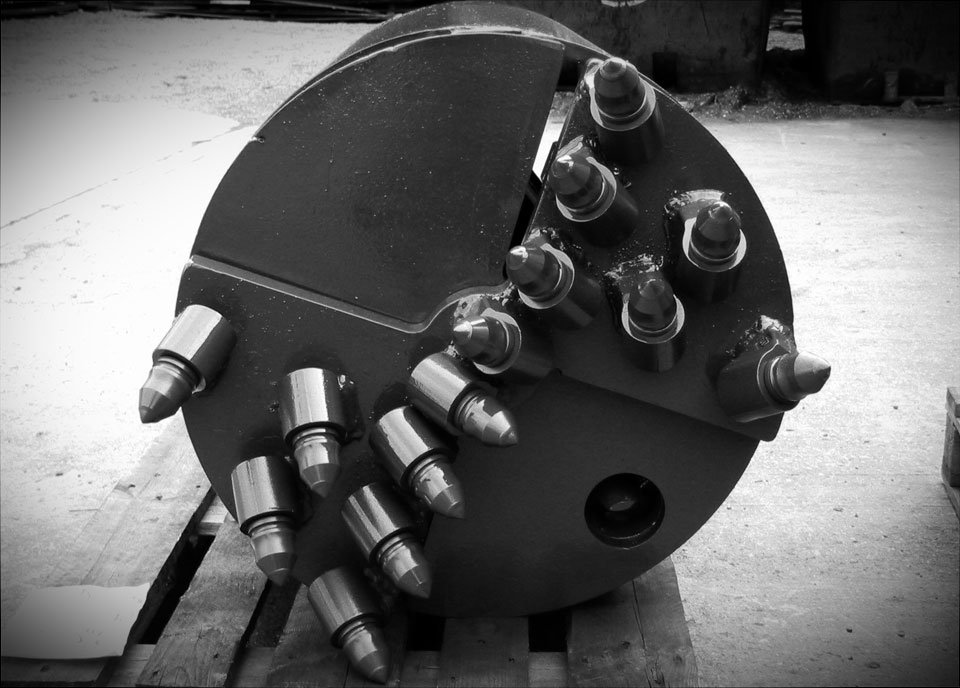
A drilling bucket works by rotating into the ground with cutting teeth. The bucket collects soil or rock inside the barrel. Then the rig lifts the bucket and unloads the material from the bottom opening.
Basic Working Process
The process usually follows these steps:
- The rotary rig lowers the bucket
- The bucket rotates into the ground
- Cutting teeth break the soil or rock
- Material enters the bucket body
- The bucket lifts out
- The bottom door opens for unloading
Why Does Bucket Design Matter?
Different designs affect:
- Soil entry efficiency
- Material discharge
- Torque resistance
- Wear life
For example, I once supplied buckets for a UAE piling project. The customer first used a poor-quality bucket. Sand leaked during lifting. The hole became unstable. Later, we improved the bottom plate sealing system.
Main Structural Parts
| Component | Function |
|---|---|
| Bucket body | Holds excavated material |
| Cutting teeth | Break soil and rock |
| Kelly box | Connects to drilling rig |
| Bottom plate | Controls unloading |
| Wear strips | Protect bucket shell |
What Are the Main Types of Drilling Buckets?
Many customers ask me why drilling buckets look different. The reason is simple. Different jobs need different structures.
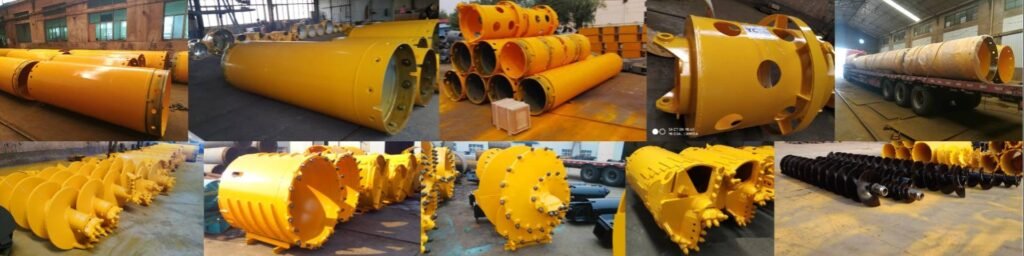
The main types of drilling buckets include soil drilling buckets, rock drilling buckets, cleaning buckets, double-bottom buckets, and open-type drilling buckets for different ground conditions and drilling requirements.
Soil Drilling Bucket
This type works well in:
- Clay
- Silt
- Loose sand
It usually has flat teeth and large openings.
Rock Drilling Bucket
Rock buckets are stronger. They use:
- Reinforced shells
- Bullet teeth
- Wear-resistant plates
These buckets handle gravel and fractured rock.
Cleaning Bucket
Cleaning buckets remove loose material from the bottom of the hole.
They improve:
- Hole cleanliness
- Concrete quality
- Foundation stability
Double Bottom Bucket
This design helps retain loose sand and wet soil.
| Bucket Type | Best Ground Condition |
|---|---|
| Soil bucket | Soft soil |
| Rock bucket | Hard layers |
| Cleaning bucket | Hole cleaning |
| Double bottom bucket | Sand and water |
| Open-type bucket | Large rock pieces |
Why Do Contractors Change Bucket Types?
Ground conditions often change within one project. One layer may contain clay. Another may contain gravel or rock.
Because of this, contractors usually prepare multiple drilling buckets.
Which Drilling Bucket Teeth Are Best for Different Ground Conditions?
Many drilling problems actually start from the teeth selection, not the bucket body.
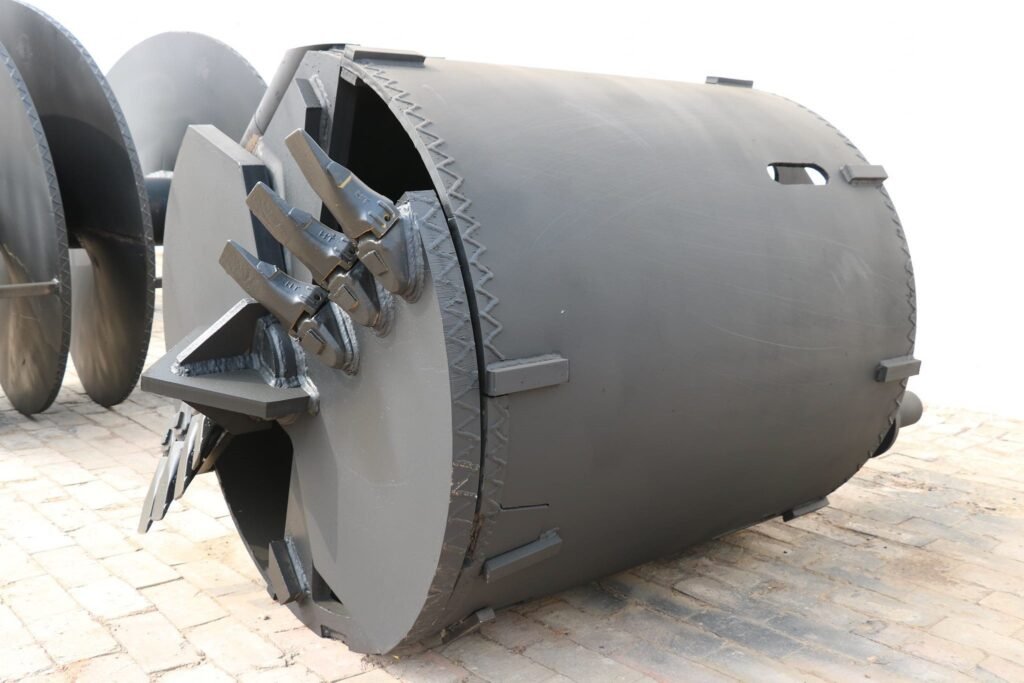
Drilling bucket teeth should match the ground condition. Flat teeth work well in soft soil, while bullet teeth and roller bits perform better in rock and abrasive ground.
Flat Teeth vs Bullet Teeth
| Tooth Type | Best Use |
|---|---|
| Flat teeth | Clay and soft soil |
| Bullet teeth | Rock and gravel |
| Fish tail teeth | Mixed ground |
| Roller bits | Hard rock |
Why Tooth Quality Matters
Low-quality teeth create:
- Slow drilling
- High fuel use
- Tooth breakage
- Frequent downtime
At Siderwin, I often discuss carbide grade and steel quality with buyers because these directly affect wear life.
What Makes Good Bullet Teeth?
Good bullet teeth usually have:
- High-quality tungsten carbide
- Strong brazing
- Wear-resistant steel body
- Stable tooth holder fit
Tooth Replacement Costs
Many buyers only compare bucket prices. They forget wear costs.
A cheap tooth may wear out three times faster. The final project cost becomes much higher.
How Do I Choose the Right Drilling Bucket?
Choosing the wrong bucket can damage both the rig and the project schedule.
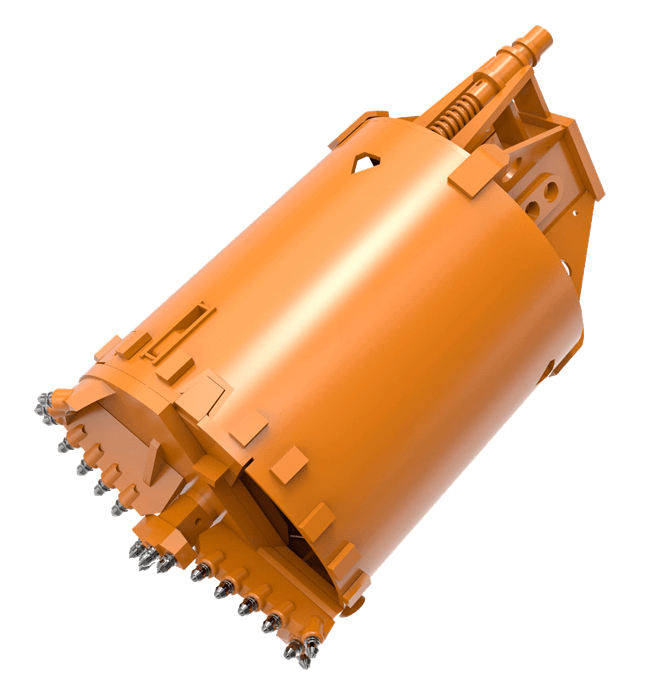
The right drilling bucket depends on ground conditions, pile diameter, drilling depth, rig torque, and project requirements. Matching all these factors improves drilling efficiency and reduces wear costs.
Important Selection Factors
Ground Condition
This is the most important factor.
Always check:
- Soil report
- Rock hardness
- Water level
- Gravel content
Pile Diameter
Large pile diameters need stronger bucket structures.
Rig Model
Different rigs have different torque and kelly bar systems.
Typical Matching Table
| Rig Size | Recommended Bucket Diameter |
|---|---|
| Small rig | 600–1200 mm |
| Medium rig | 1200–2000 mm |
| Large rig | 2000–3500 mm |
Why Experience Matters
Some customers only send diameter requirements. This is not enough.
I usually ask:
- What ground condition?
- What drilling depth?
- What rig model?
- How many piles?
These details help avoid costly mistakes.
What Materials Are Used in Drilling Buckets?
Some drilling buckets look similar outside. The real difference is often hidden inside the steel material.
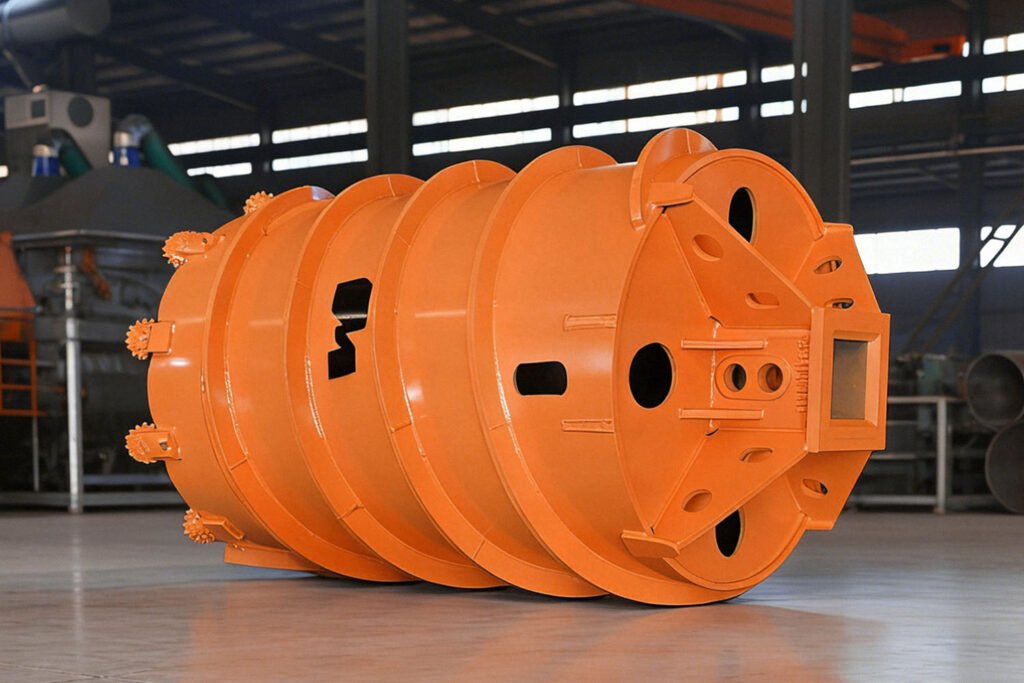
Drilling buckets usually use high-strength alloy steel, wear-resistant plates, and tungsten carbide teeth to improve durability, impact resistance, and wear life in difficult drilling conditions.
Common Steel Materials
| Material | Function |
|---|---|
| Q355 steel | Main bucket structure |
| NM400/NM500 | Wear-resistant plates |
| Alloy steel | High-impact areas |
Why Wear Resistance Matters
Wear is one of the biggest costs in piling projects.
High abrasion ground can quickly damage:
- Bottom plates
- Tooth holders
- Side walls
Hardfacing Protection
Many heavy-duty drilling buckets use hardfacing welding.
This improves:
- Wear resistance
- Service life
- Maintenance interval
Are Cheap Buckets Worth Buying?
Sometimes buyers only compare prices.
But low-quality buckets often have:
- Thin steel
- Weak welding
- Poor balance
- Fast cracking
The repair cost later becomes much higher.
Why Does Drilling Bucket Quality Affect Project Costs?
Many contractors focus only on purchase price. They forget operational costs.
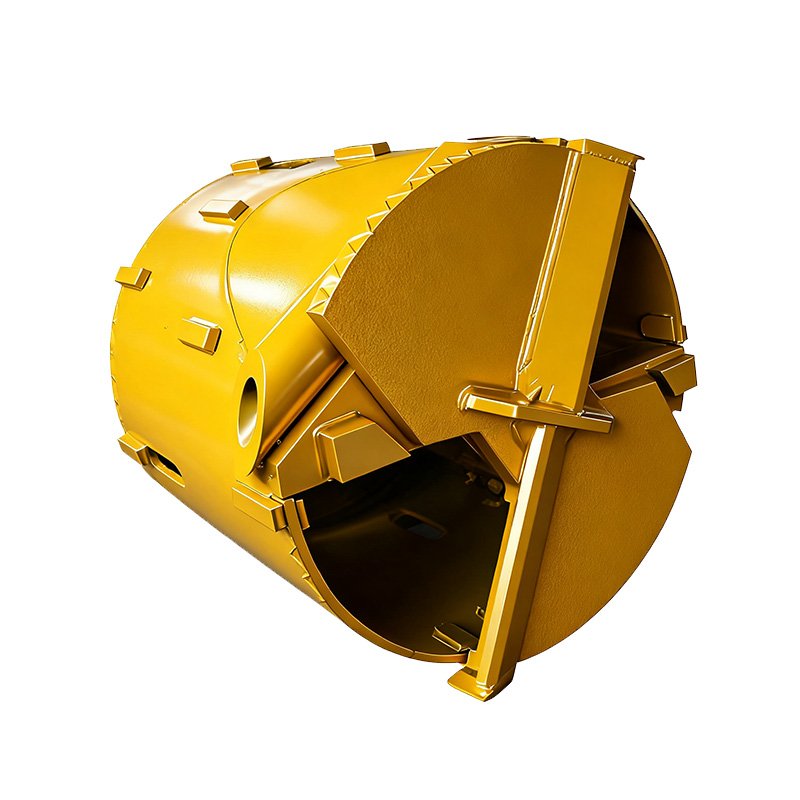
High-quality drilling buckets reduce downtime, improve drilling speed, lower tooth consumption, and extend service life, which helps reduce total foundation construction costs.
Hidden Costs of Poor Buckets
Cheap buckets may cause:
- Welding cracks
- Tooth holder failures
- Unstable drilling
- More fuel consumption
Example From One Project
I remember one Southeast Asia customer who purchased low-cost local buckets first.
After several months:
- The bucket body deformed
- Teeth fell off frequently
- Drilling speed slowed down
Later, they switched to reinforced buckets.
The project efficiency improved immediately.
Cost Comparison
| Item | Cheap Bucket | Quality Bucket |
|---|---|---|
| Initial cost | Lower | Higher |
| Wear life | Short | Long |
| Downtime | Frequent | Reduced |
| Fuel use | Higher | Lower |
| Final project cost | Higher | Lower |
How Do I Maintain a Drilling Bucket Properly?
Even the best drilling bucket needs maintenance.
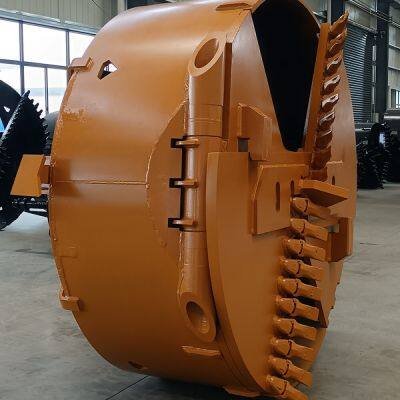
Regular inspection, tooth replacement, welding repair, and cleaning help extend drilling bucket service life and reduce unexpected failures during foundation construction projects.
Daily Inspection Checklist
Operators should inspect:
- Teeth wear
- Tooth holder cracks
- Welding lines
- Bottom plate movement
- Kelly box condition
Why Tooth Replacement Is Important
Worn teeth reduce cutting efficiency.
This increases:
- Torque load
- Fuel use
- Rig stress
Cleaning After Work
Wet soil and clay can harden inside the bucket.
This creates:
- Corrosion
- Material blockage
- Unbalanced rotation
Maintenance Table
| Maintenance Item | Frequency |
|---|---|
| Tooth inspection | Daily |
| Welding check | Weekly |
| Full structure inspection | Monthly |
| Hardfacing repair | As needed |
What Problems Happen When Using the Wrong Drilling Bucket?
Many drilling failures happen because the bucket does not match the ground condition.
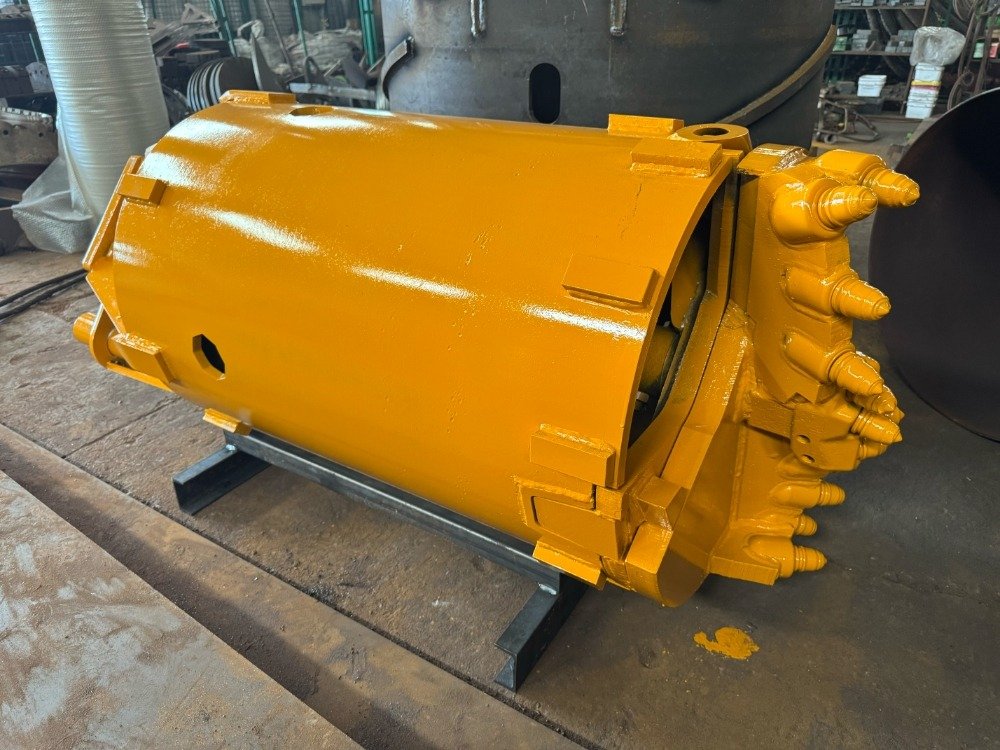
Using the wrong drilling bucket can cause slow drilling, bucket damage, unstable holes, excessive wear, and expensive project delays in piling foundation work.
Common Problems
Bucket Blocking
Soft clay may stick inside certain bucket designs.
Excessive Tooth Wear
Rock conditions destroy soft-soil teeth very quickly.
Hole Collapse
Poor cleaning performance can destabilize the hole wall.
Why Ground Reports Matter
Some contractors skip detailed soil reports to save money.
This creates much bigger risks later.
Real Jobsite Lessons
I have seen projects stop completely because the bucket could not penetrate a hard layer.
The rig was powerful enough. The problem was only the bucket design.
Why Do Many Contractors Choose Custom Drilling Buckets?
Standard buckets cannot solve every jobsite problem.
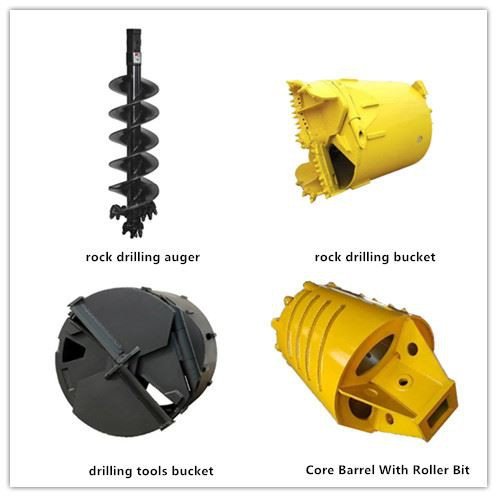
Custom drilling buckets help contractors match special rig sizes, difficult ground conditions, and unique project requirements for better drilling performance and longer service life.
Common Custom Options
Customers often request:
- Special diameters
- Reinforced wear protection
- Heavy-duty tooth systems
- Different bottom opening designs
Why Customization Improves Performance
Every project is different.
For example:
| Project Type | Common Custom Requirement |
|---|---|
| Metro projects | Low headroom buckets |
| Offshore projects | Corrosion protection |
| Hard rock drilling | Reinforced structure |
| Large piles | Extra heavy shell thickness |
My Experience With Custom Projects
At Siderwin, I often work with piling contractors from Australia, UAE, and Southeast Asia.
Most large contractors prefer customized drilling tools because they focus on total project efficiency instead of only purchase price.
Conclusion
A drilling bucket is one of the most important tools in piling foundation work. The right design, teeth, and materials improve drilling speed, reduce wear, and lower total project costs.