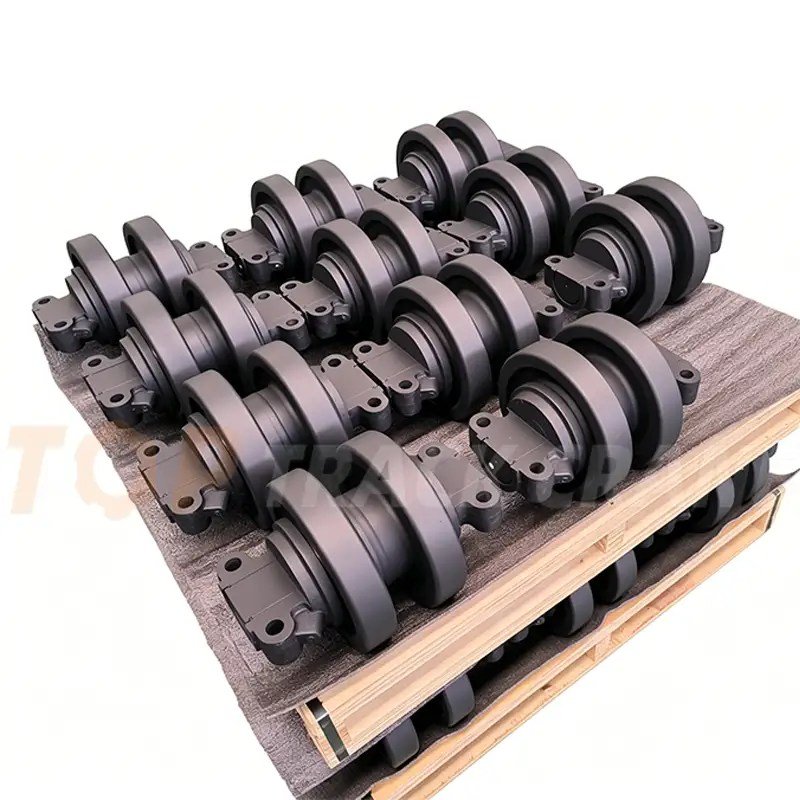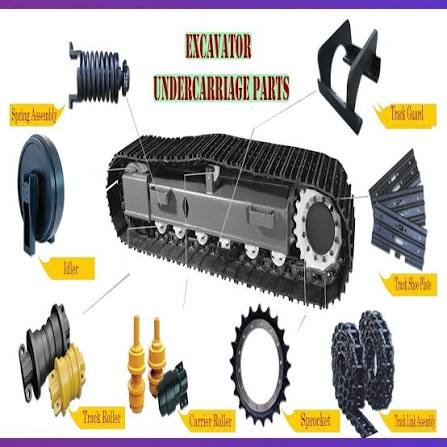
I often see projects delayed because wrong bucket teeth fail early. That costs time and money. Many buyers feel unsure when facing many options.
I choose the right bucket teeth and adaptors by focusing on six factors: material, working condition, tooth shape, adaptor fit, wear life, and supplier quality control. These factors help me balance cost, durability, and performance.
I remember one urgent project where I picked the wrong type. The wear rate doubled. Since then, I follow a clear method. I will share it step by step.
[Table of contents]
What material should I choose for bucket teeth and adaptors?
Material is always my first concern. It decides strength and wear life.
I choose alloy steel with proper heat treatment. Good materials like 30CrMnSi or low alloy steel improve hardness and impact resistance. Poor material leads to fast wear or sudden break.
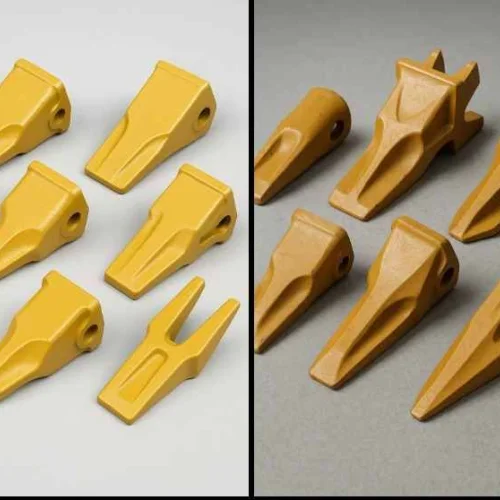
Material grades and performance
I compare materials before I confirm orders.
| Material Type | Hardness | Impact Resistance | Use Case |
|---|---|---|---|
| High carbon steel | High | Low | Light duty |
| Alloy steel | Medium-high | High | General use |
| Special alloy | High | Very high | Heavy duty |
Heat treatment matters
I always ask about heat treatment. It changes everything.
- Quenching improves hardness
- Tempering improves toughness
- Poor control causes cracks
I once worked with a supplier who skipped proper tempering. The teeth broke in cold weather.
Cost vs durability
I do not chase the lowest price. I calculate cost per hour.
| Option | Price | Life | Real Cost |
|---|---|---|---|
| Cheap teeth | Low | Short | High |
| Quality teeth | Higher | Long | Lower |
How do working conditions affect my selection?
Every job site is different. I never use one solution for all.
I match bucket teeth to soil type, rock hardness, and machine size. Soft soil needs sharp teeth. Hard rock needs strong and blunt teeth. Wrong match increases wear and fuel use.
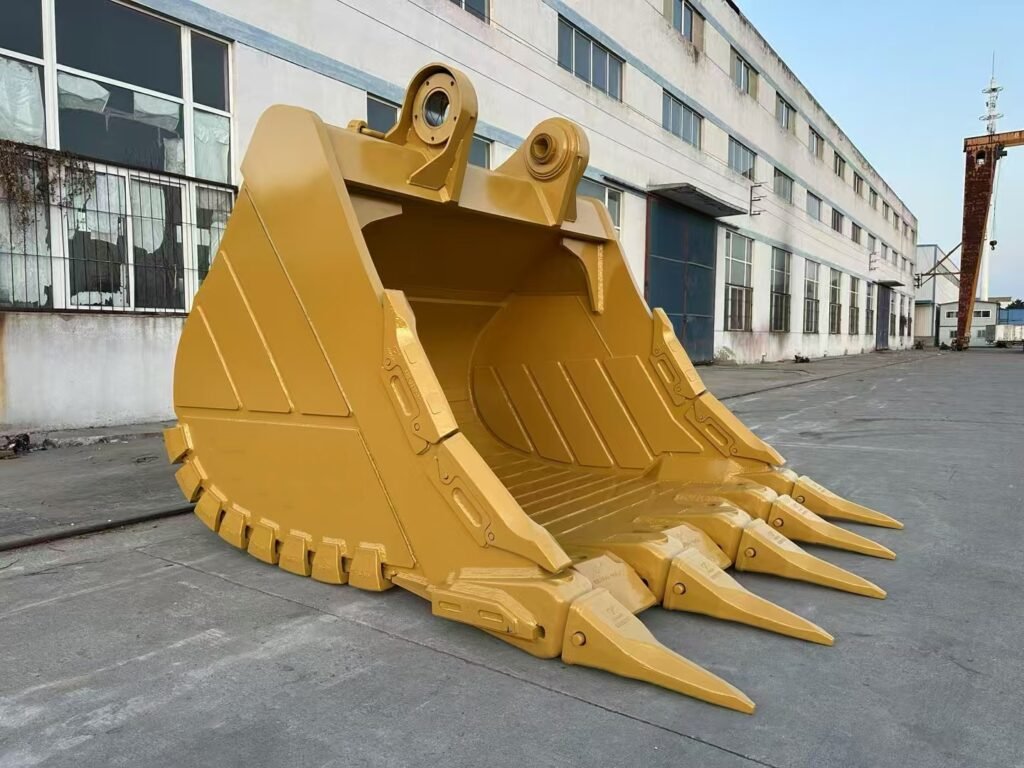
Soil vs rock conditions
I break it into simple categories.
| Condition | Recommended Tooth |
|---|---|
| Sand | Wide, sharp |
| Clay | Standard |
| Gravel | Reinforced |
| Rock | Heavy duty |
Machine size impact
I always match teeth with machine capacity.
- Small excavator → lighter teeth
- Large excavator → heavy-duty teeth
Mismatch causes stress and failure.
Real project example
I once supplied teeth for a piling company. They worked in mixed soil and rock. I suggested reinforced teeth. Their wear life improved by 30%.
Which tooth shape works best for my application?
Shape affects penetration and efficiency. I never ignore it.
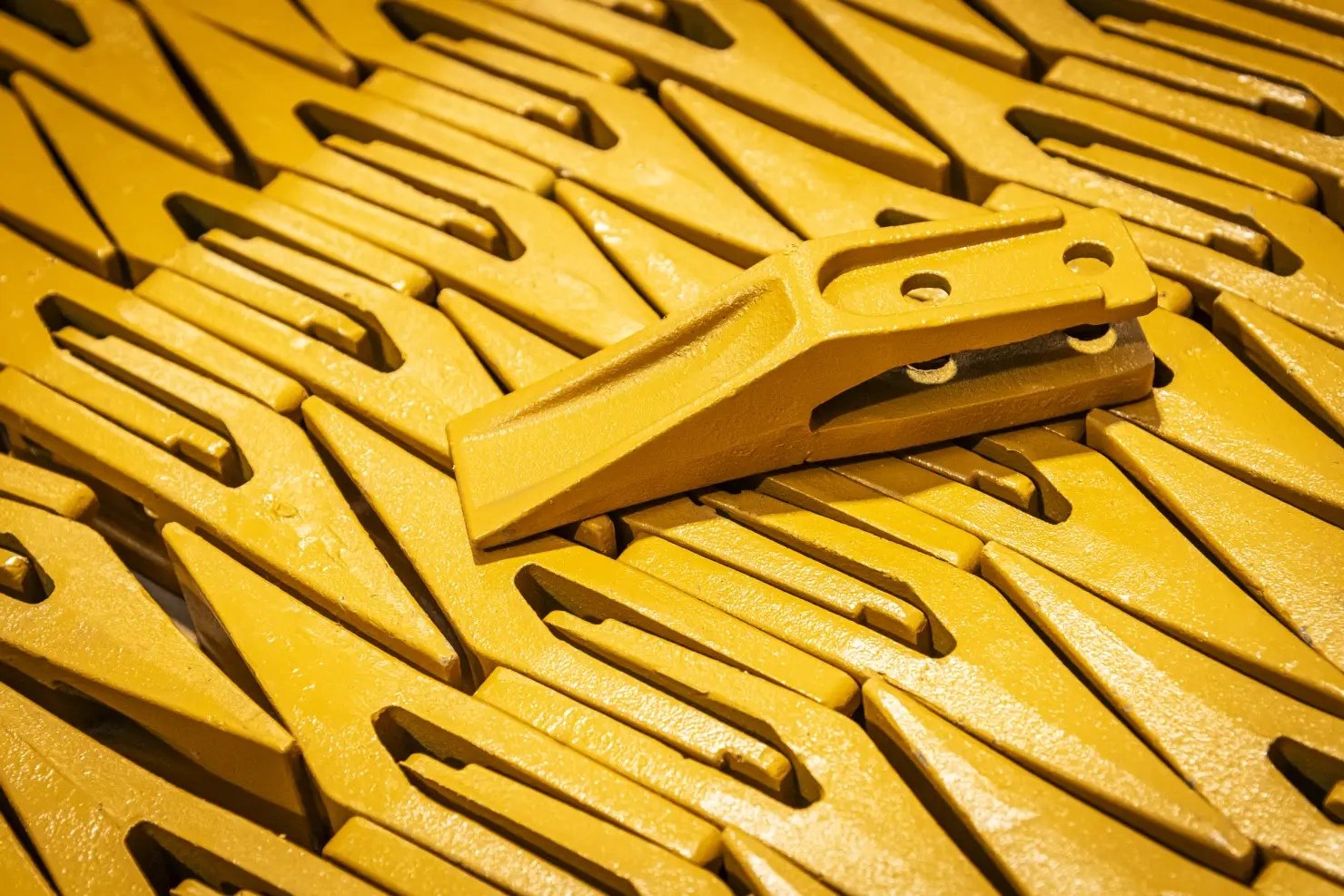
I choose tooth shape based on digging efficiency and wear pattern. Sharp teeth cut faster. Blunt teeth last longer. The right shape balances speed and durability.
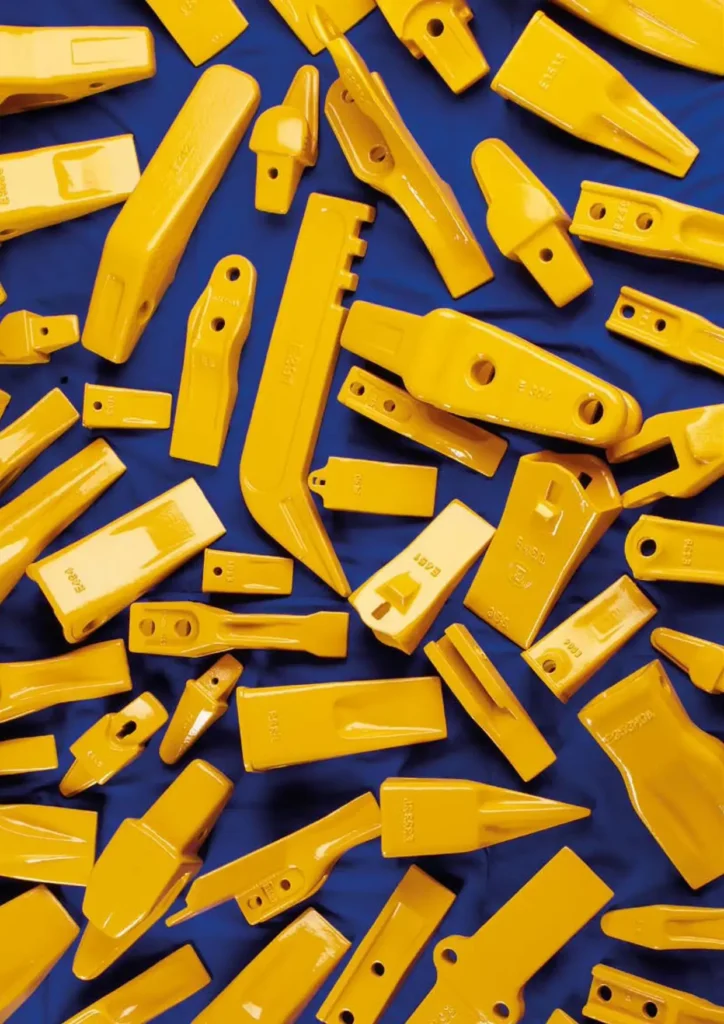
Common tooth shapes
| Shape | Feature | Best Use |
|---|---|---|
| Chisel | Sharp | Soft soil |
| Rock | Thick | Hard rock |
| Tiger | Pointed | Penetration |
| Flare | Wide | Loading |
Penetration vs wear
I always ask myself one question. Do I need speed or life?
- Sharp = fast but wears fast
- Blunt = slow but lasts long
My selection logic
I usually follow this:
- Check material
- Check condition
- Choose shape
This simple flow avoids mistakes.
Why is adaptor fit so critical?
Many buyers ignore adaptors. I never do that.
Adaptor fit ensures stability and safety. A poor fit causes movement, wear, and even tooth loss. I always check tolerance and locking system before purchase.
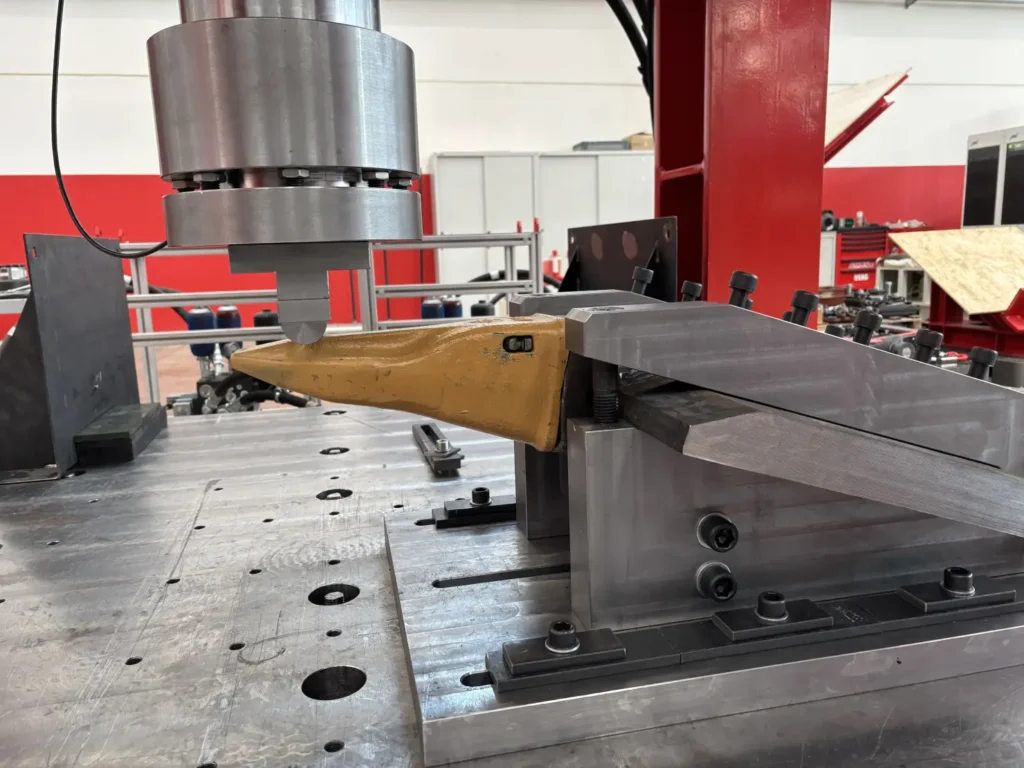
Fit tolerance
Adaptor and tooth must match tightly.
| Fit Type | Result |
|---|---|
| Tight fit | Stable |
| Loose fit | Vibration |
| Too tight | Hard to install |
Locking systems
I compare locking systems carefully.
- Pin & retainer
- Vertical pin
- Twist lock
Each has pros and cons. I choose based on job needs.
Failure risks
Loose adaptors can cause:
- Tooth loss
- Machine damage
- Safety risks
I saw a case where a lost tooth damaged a crusher. That cost a lot.
How do I evaluate wear life and cost efficiency?
I always look beyond the initial price.
I evaluate wear life by measuring hardness, design, and real usage data. Longer life reduces downtime and replacement cost. I focus on total cost, not unit price.
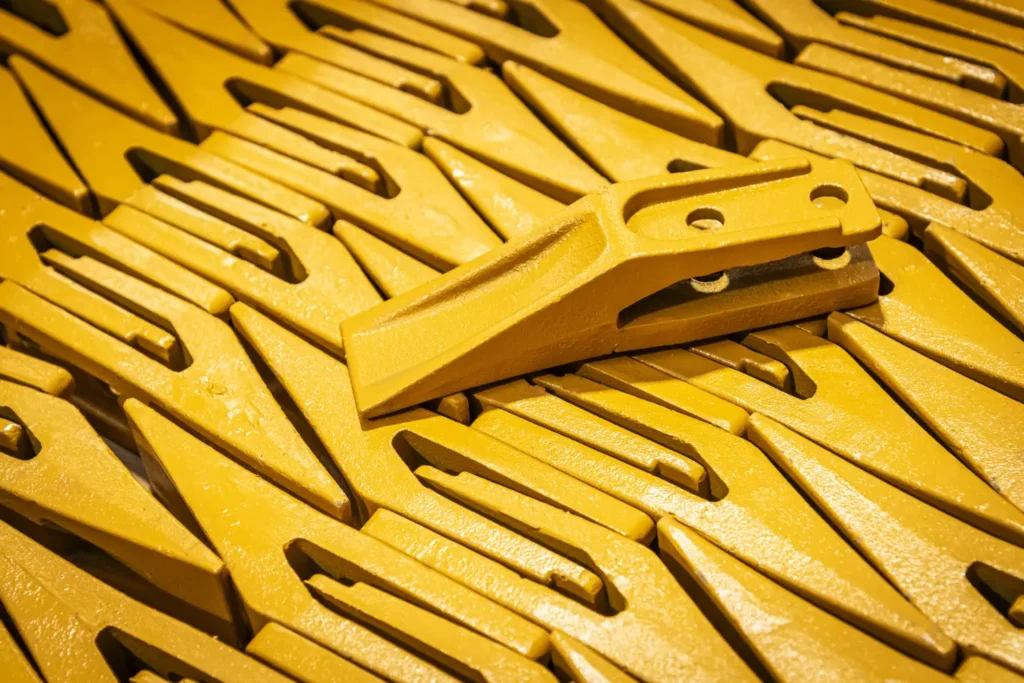
Wear indicators
I check these factors:
- Hardness level
- Wear pattern
- Material density
Cost calculation
| Factor | Impact |
|---|---|
| Purchase price | Short-term |
| Replacement frequency | Long-term |
| Downtime | Critical |
My approach
I ask suppliers for test data. I also compare with past projects. This gives me a clear view.
How do I choose a reliable supplier for bucket teeth and adaptors?
Supplier choice affects everything. I take this seriously.
I choose suppliers with stable quality, certifications, and export experience. A reliable supplier ensures consistent performance and reduces risks in large projects.
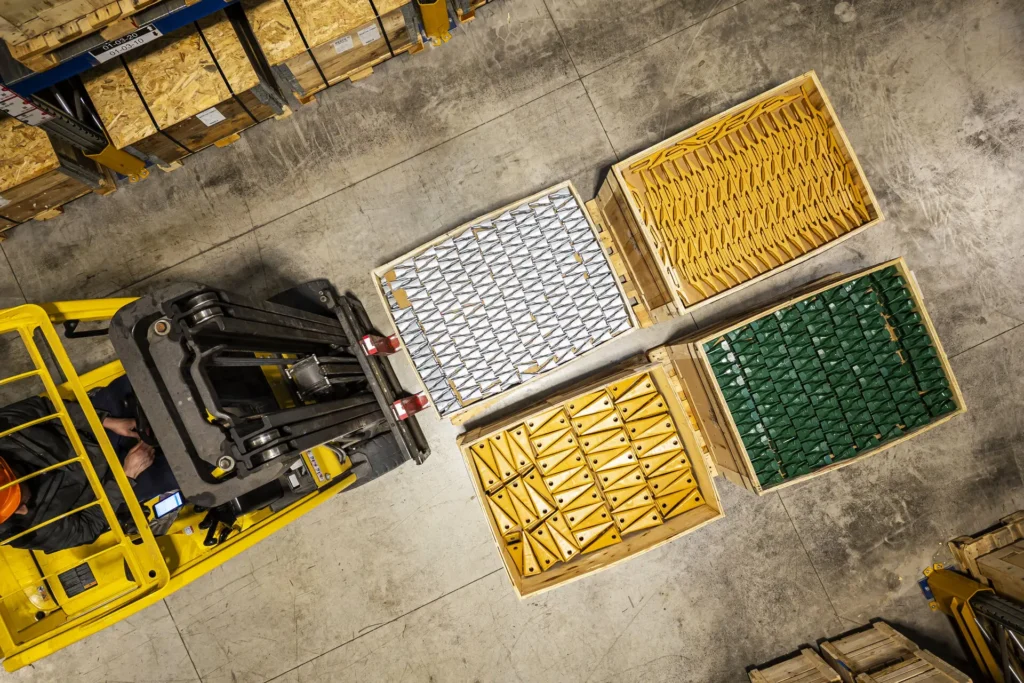
What I check first
- Production capacity
- Quality control system
- Export experience
Certifications
I prefer suppliers with:
| Certification | Meaning |
|---|---|
| ISO | Quality system |
| Material report | Traceability |
| Test report | Performance proof |
My personal experience
At Siderwin, I focus on strict QC. I know my customers care about consistency. Many of my clients in Australia and UAE value this the most.
Communication matters
Good suppliers respond fast. They understand urgent needs. I always test communication before long-term cooperation.
What are common mistakes when choosing bucket teeth and adaptors?
Many buyers repeat the same mistakes. I have made some of them too.
The most common mistakes include choosing only by price, ignoring working conditions, mismatching adaptors, and skipping quality checks. These mistakes lead to fast wear, downtime, and higher long-term cost.
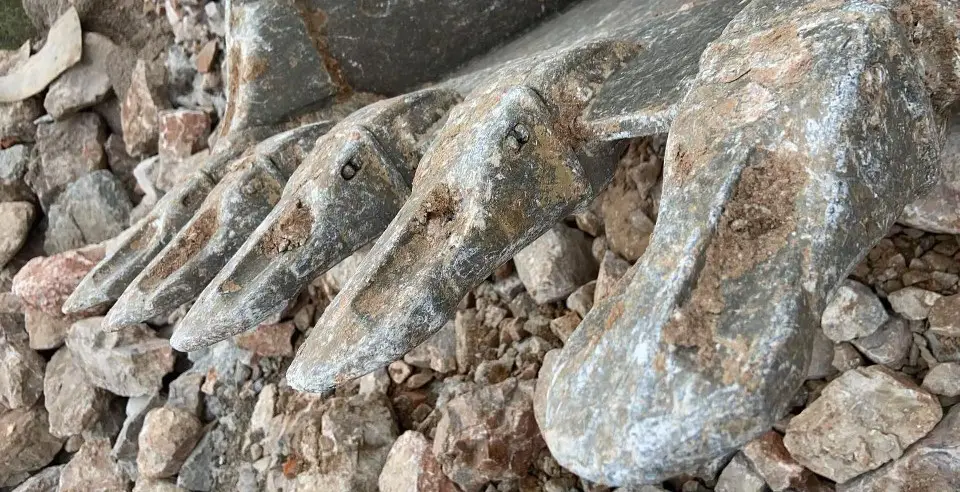
Choosing only the lowest price
I understand why buyers do this. Budget pressure is real.
But cheap products often mean:
- Poor material
- Weak heat treatment
- Short life
| Choice | Result |
|---|---|
| Lowest price | High replacement rate |
| Balanced choice | Stable performance |
I once saw a contractor replace teeth twice in one week. That cost more than buying quality once.
Ignoring working conditions
Some buyers use one type for all jobs. This is risky.
| Mistake | Result |
|---|---|
| Soft soil teeth in rock | Breakage |
| Rock teeth in sand | Low efficiency |
I always ask about soil and rock before I quote.
Wrong adaptor matching
This mistake is very common.
- Different brands have different systems
- Small tolerance differences matter
| Issue | Impact |
|---|---|
| Loose fit | Vibration |
| Wrong pin | Tooth loss |
I always double check drawings or part numbers.
No wear tracking
Many teams do not record wear data.
That causes:
- No clear replacement cycle
- Poor cost control
I suggest simple tracking:
| Item | Record |
|---|---|
| Install date | Yes |
| Working hours | Yes |
| Replacement date | Yes |
Skipping supplier verification
Some buyers trust photos only. I do not.
I check:
- Factory visit or video audit
- Test reports
- Sample quality
This step reduces risk a lot.
Conclusion
I avoid mistakes and choose the right bucket teeth and adaptors by focusing on real conditions, correct matching, and long-term value instead of short-term price.