Heavy equipment can lose time and money when the undercarriage wears too fast. I have seen how small wear problems can become costly repairs when nobody checks them early.
Heavy equipment undercarriage parts support machine weight, transfer power to the ground, and keep crawler machines moving. I use suitable tracks, rollers, idlers, sprockets, and track chains to improve stability, wear resistance, service life, and operating efficiency.
I always look at the undercarriage as one working system. A worn roller can affect the track. A damaged idler can affect track tension. A poor-quality track chain can increase wear across several parts.
What Are Heavy Equipment Undercarriage Parts and Why Do I Need Them?
I treat the undercarriage as the foundation of every crawler machine. It carries heavy loads and works directly against the ground.
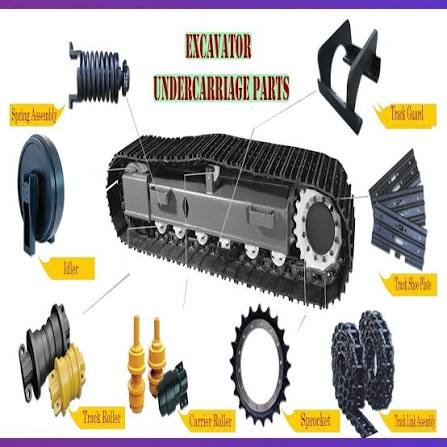
I consider track chains, track link assemblies, rollers, carrier rollers, track shoes, idlers, sprockets, track adjusters, and recoil springs as key undercarriage parts. Each part has a different job, but I need them to work together.
Which Parts Do I Usually Include in an Undercarriage System?
I normally divide the system into several main parts.
| Undercarriage Part | Main Function | Common Wear Problem |
|---|---|---|
| Track Chain | Transfers drive force | Link and bushing wear |
| Track Link Assembly | Supports track shoes | Link wear and cracking |
| Track Roller | Supports machine weight | Leakage and surface wear |
| Carrier Roller | Supports the upper track | Bearing and surface wear |
| Idler | Guides and tensions the track | Rim and bearing wear |
| Sprocket | Drives the track chain | Tooth wear |
| Track Shoe | Contacts the ground | Grouser wear |
| Track Adjuster | Controls track tension | Seal and pressure loss |
| Recoil Spring | Absorbs impact | Fatigue or damage |
I find that many users focus only on the track chain. I do not recommend that approach. The chain, sprocket, idler, rollers, and shoes affect each other.
How Do I Choose the Right Undercarriage Parts?
I first check the machine model, serial information, existing part number, dimensions, and working conditions. I also check whether the machine works in soil, rock, mining, demolition, or general construction.
I pay close attention to track pitch, link count, shoe width, roller dimensions, idler dimensions, and sprocket configuration. These details help me avoid compatibility problems.
I also consider the customer’s expected service life. A contractor working in normal soil may need a different specification from a mining company working on abrasive rock.
Why Does Material Matter?
I pay close attention to steel quality because undercarriage parts experience repeated impact and abrasion.
I normally look for suitable alloy steel and controlled heat treatment. I want the working surface to resist wear while the internal structure keeps enough toughness.
A very hard component is not automatically a better component. If the material or heat treatment is not balanced, the part may become brittle.
How Do Track Rollers Affect Heavy Equipment Performance?
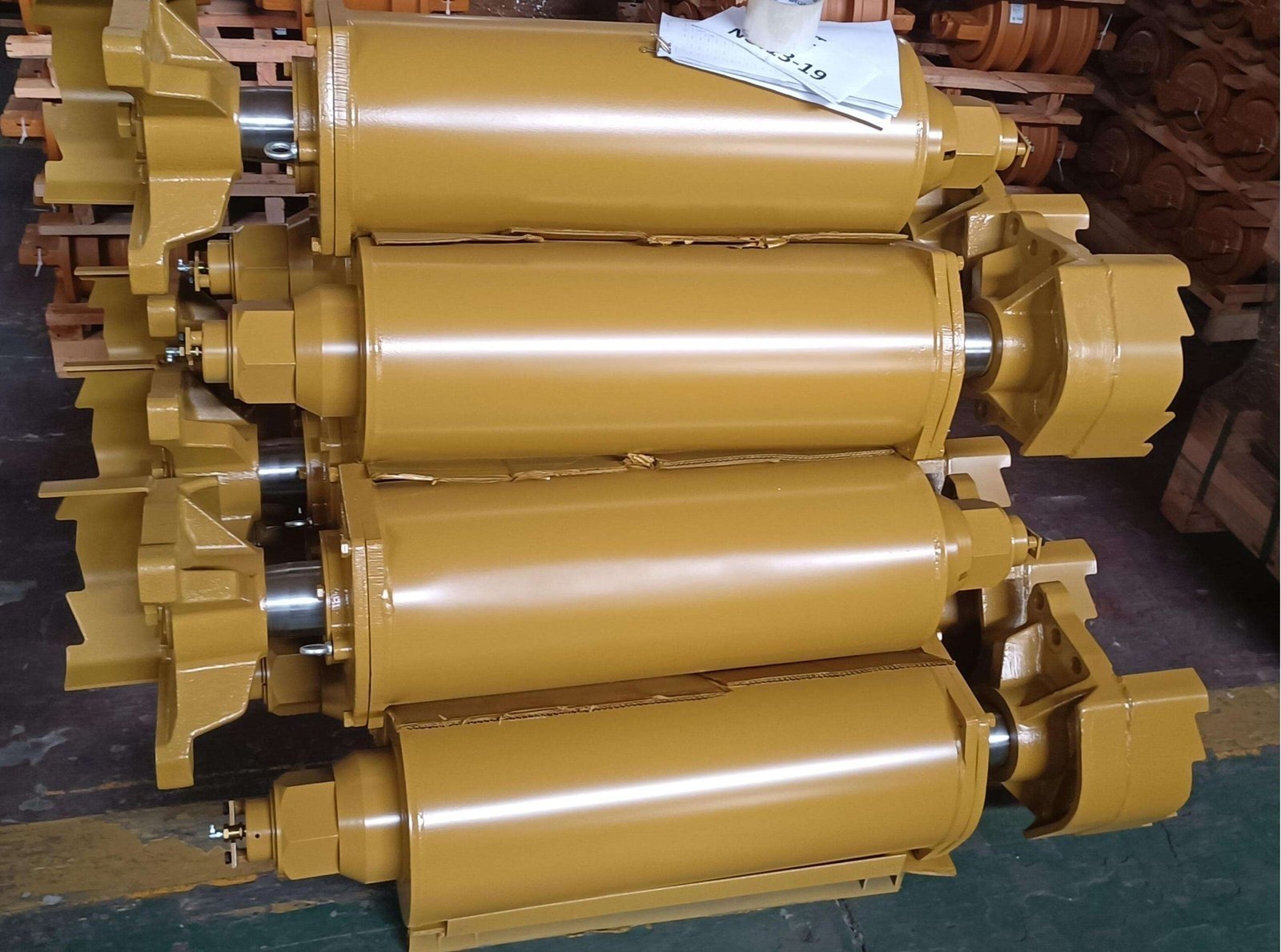
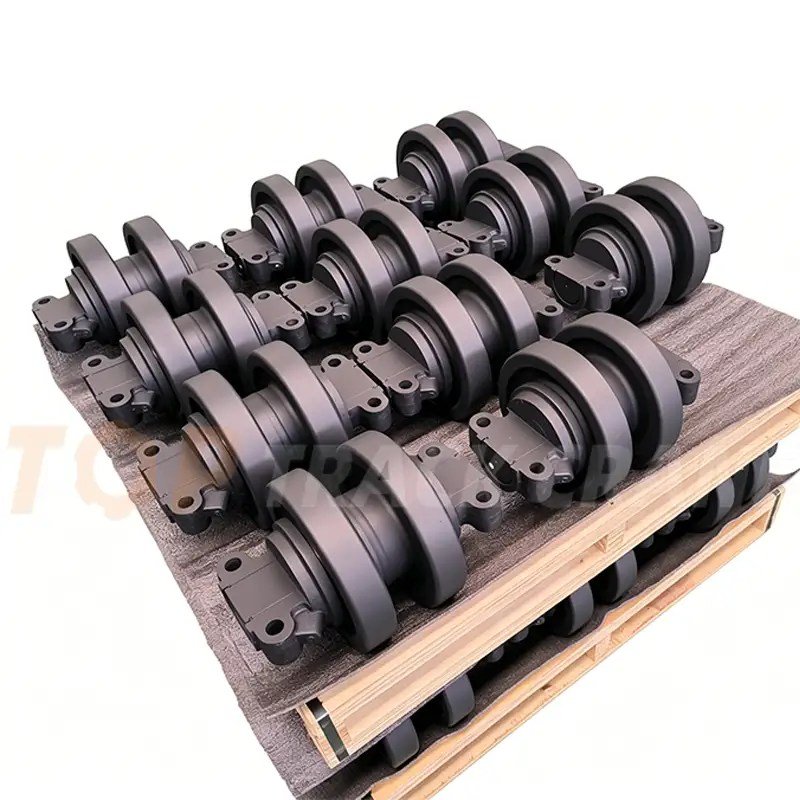
I use track rollers to support the machine body and guide the lower track assembly. Their condition directly affects machine stability and track movement.
Track rollers support the machine’s weight and help the track chain move smoothly. I choose rollers with suitable material, heat treatment, sealing, and bearing design to reduce wear and extend service life.


What Makes a Good Track Roller?
I normally check several points before I recommend a track roller.
1. Roller Shell
I need the roller shell to resist repeated contact with the track link. The working surface must handle heavy loads and abrasive materials.
2. Shaft and Bearing
I need the shaft and bearing system to handle radial loads. Poor internal components can cause noise, leakage, overheating, or early failure.
3. Sealing System
I consider sealing one of the most important areas. A good seal helps keep lubricant inside and prevents dirt and water from entering.
4. Heat Treatment
I use controlled heat treatment to improve surface hardness and wear resistance. I also want enough internal toughness to reduce the risk of cracking.
When Should I Replace Track Rollers?
I usually look for visible leakage, abnormal noise, uneven wear, loose movement, damaged surfaces, and reduced roller diameter.
I do not wait until a roller completely fails. A damaged roller can increase stress on the track system and create additional repair costs.
| Roller Condition | My Recommended Action |
|---|---|
| Minor surface wear | Monitor regularly |
| Moderate wear | Check the complete undercarriage |
| Oil leakage | Plan replacement |
| Severe wear | Replace as soon as possible |
| Bearing failure | Replace immediately |
| Uneven wear | Check alignment and track tension |
Why Are Idlers Important for Track Alignment and Tension?
I use the idler to guide the track and help maintain correct track tension. A damaged idler can create problems even when the track chain itself is still usable.
An idler guides the track chain and works with the track adjuster to maintain proper tension. I need the idler rim, shaft, bearings, seals, and adjustment system to work together for stable crawler operation.
How Does an Idler Wear?
I usually see wear on the idler rim because the track chain contacts it continuously. The bearing area can also wear when lubrication or sealing becomes poor.
I also watch for cracks and abnormal movement. These signs can show that the idler needs inspection.
How Does Track Tension Affect Idler Life?
I always take track tension seriously.
If I set the track too tight, I can increase the load on rollers, idlers, sprockets, bearings, and track chains. If I set it too loose, the track can become unstable and may derail.
| Track Condition | Possible Result |
|---|---|
| Too Tight | Higher component stress |
| Too Loose | Track instability |
| Correct Tension | Better movement and wear balance |
| Uneven Tension | Irregular component wear |
I recommend following the machine manufacturer’s adjustment requirements whenever available. I also consider the actual working conditions because mud, rock, and debris can change track behavior.
How Do Track Chains and Track Link Assemblies Control Machine Movement?
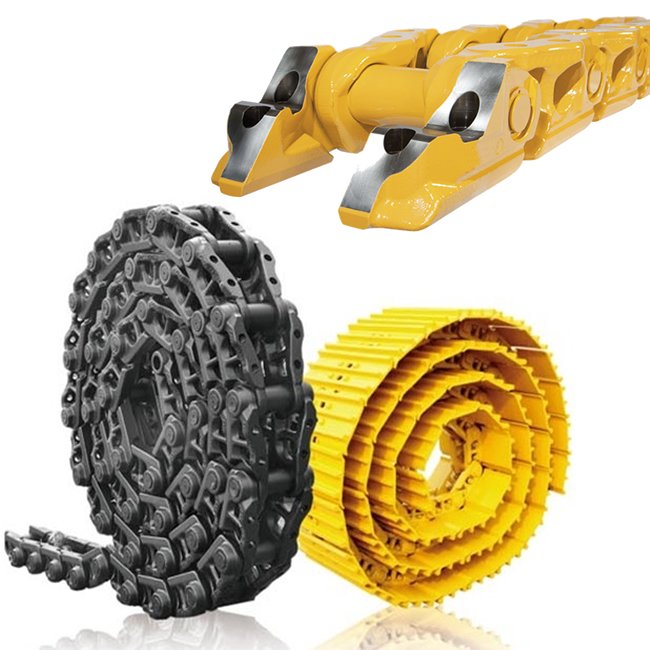
I see the track chain as one of the main load-bearing and driving components of a crawler machine. It connects the track shoes with the machine’s drive system.
Track chains and track link assemblies transfer driving force from the sprocket to the ground. I select them according to pitch, link count, bushing design, pin configuration, shoe width, machine model, and working conditions.


What Do I Check Before Buying Track Chains?
I check the following information first:
| Information | Why I Check It |
|---|---|
| Machine Model | Confirms basic compatibility |
| Part Number | Helps identify the correct component |
| Link Count | Confirms track configuration |
| Track Pitch | Confirms dimensional compatibility |
| Shoe Width | Matches ground contact requirements |
| Pin and Bushing | Affects wear life |
| PPR or Standard Design | Matches machine requirements |
| Working Condition | Helps determine specification |
I also ask for photos or dimensions when the part number is unclear. I prefer to confirm the information before production or shipment.
How Does Heat Treatment Affect Track Chain Life?
I use heat treatment to improve the working surfaces of pins, bushings, and links. I want the components to resist abrasive wear while maintaining suitable toughness.
The right hardness level depends on the component and its design. I do not judge quality by hardness alone.
What Is the Difference Between Standard and Heavy-Duty Track Chains?
I normally select the specification according to the application.
A standard track chain can work well in general construction. A heavy-duty specification can be more suitable for mining, quarrying, rock excavation, or other demanding environments.
I always consider the complete working condition instead of choosing the heaviest specification automatically.
How Do Sprockets Work With Tracks and Rollers?
I see the sprocket as the main driving component between the machine’s final drive and track chain. Its tooth profile must match the track chain correctly.
The sprocket transfers drive force to the track chain. I need the sprocket pitch, tooth profile, material, and heat treatment to match the track system so I can reduce abnormal wear and improve power transfer.
Why Does Sprocket Wear Matter?
I often see sprocket wear together with track chain wear. When one component becomes worn, the contact pattern between the two can change.
I check both parts before replacing only one of them.
| Sprocket Problem | What I May Check |
|---|---|
| Sharp Teeth | Track chain wear |
| Hooked Teeth | Tooth profile and chain condition |
| Uneven Teeth | Alignment and operation |
| Excessive Wear | Complete undercarriage condition |
I do not recommend replacing a sprocket without checking the chain. A new sprocket may wear faster if it works with a badly worn chain.
How Can I Improve Undercarriage Wear Resistance and Service Life?
I focus on three areas: suitable material, correct heat treatment, and correct application.
I improve undercarriage service life by matching material, heat treatment, component design, machine compatibility, and operating conditions. I also reduce avoidable wear through correct track tension, regular inspection, cleaning, and timely replacement.


Does Operating Condition Change My Product Choice?
Yes. I consider operating conditions before I quote an undercarriage component.
Rock, sand, mud, water, and loose soil can create different wear patterns. Mining applications can also place much higher loads on the machine.
| Application | Main Concern |
|---|---|
| General Construction | Balanced wear and cost |
| Mining | Heavy load and abrasion |
| Quarry | Rock impact and wear |
| Demolition | Impact and contamination |
| Muddy Ground | Material buildup and track tension |
| Hard Rock | Abrasion and component strength |
I use this information when I recommend a specification.
How Does Maintenance Affect Service Life?
I believe maintenance can make a major difference.
I recommend regular inspection of track tension, roller condition, idler condition, sprocket teeth, track shoes, and track chain wear. I also recommend removing packed soil and debris from the undercarriage.
I do not see maintenance as a separate issue from product quality. Even a high-quality component can fail early when the machine operates with incorrect tension or poor maintenance.
How Do I Balance OEM Compatibility, Quality, and Price?
I do not think the lowest price always creates the lowest total cost. I compare product quality, expected service life, compatibility, warranty, lead time, and after-sales support.
I balance price with material quality, heat treatment, compatibility, service life, warranty, lead time, and factory support. I aim to provide an OEM-equivalent or heavy-duty aftermarket solution when the application allows it.
Is Aftermarket Undercarriage Quality Reliable?
I believe good aftermarket parts can provide a practical alternative to OEM parts when the manufacturer controls material, machining, heat treatment, inspection, and production standards.
I focus on the production process instead of judging a product only by its brand.
What Should I Ask an Undercarriage Manufacturer?
I recommend asking these questions before placing an order:
| Question | Why It Matters |
|---|---|
| What material do you use? | Shows basic product strength |
| What heat treatment do you use? | Affects wear resistance |
| Is the part compatible? | Reduces installation risk |
| What is the warranty? | Defines after-sales support |
| What is the lead time? | Helps project planning |
| How do you inspect products? | Shows quality control |
| How do you pack products? | Reduces shipping damage |
| Can you provide technical support? | Helps with selection |
I welcome these questions because they help both sides confirm the real requirements.
How Can I Buy Heavy Equipment Undercarriage Parts Directly From a Factory?
I provide undercarriage parts directly from my factory in China. I support excavators, bulldozers, mining equipment, and other crawler machines.
I provide track chains, track link assemblies, rollers, carrier rollers, track shoes, track bolts and nuts, idlers, sprockets, track adjuster assemblies, and recoil springs with factory-direct supply and technical support.
What Other Wear Parts Can I Buy From One Supplier?
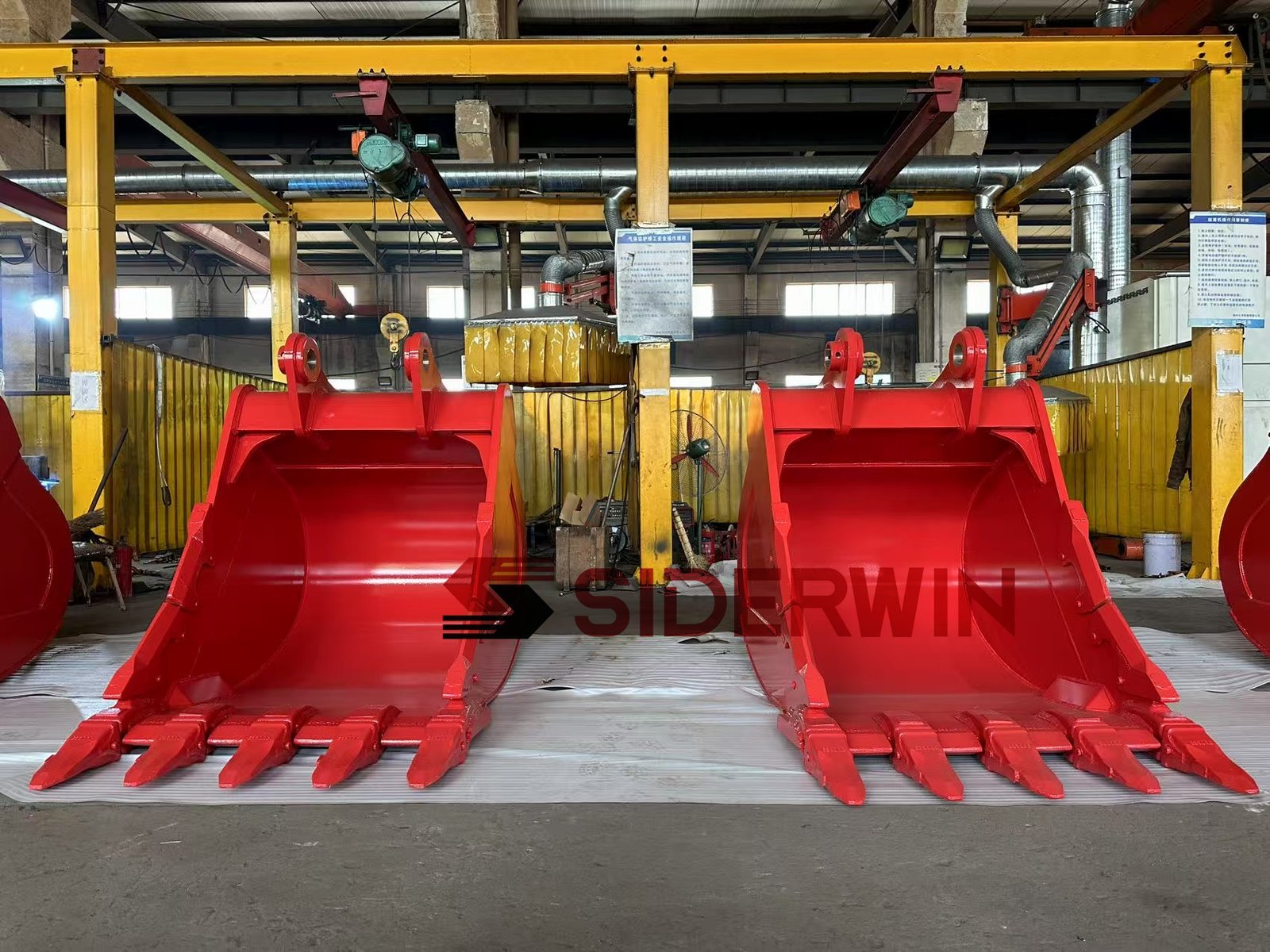
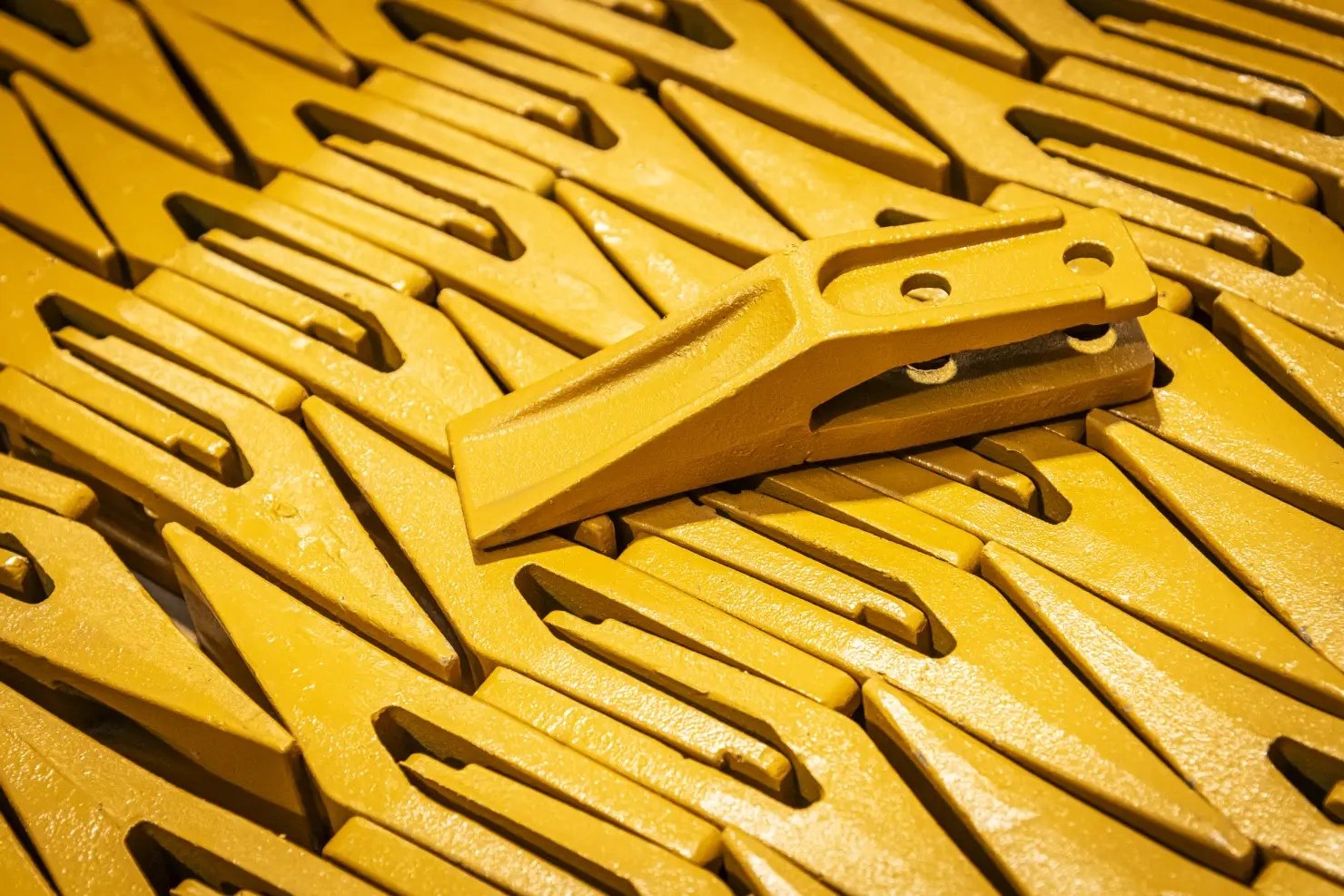
I also provide Ground Engaging Tools and excavator attachments. I can supply bucket teeth, adapters, pins, retainers, side cutters, cutting edges, end bits, wear plates, and different excavator buckets.
I also provide foundation drilling tools, including drilling buckets, core barrels, augers, Kelly bars, bullet teeth, tooth holders, roller bits, and wear parts.
This one-stop approach helps me support customers who need several types of heavy equipment parts.
Which Machine Brands Can I Support?
I provide compatible aftermarket solutions for many major brands, including:
- Caterpillar
- Komatsu
- Hitachi
- Volvo
- Hyundai
- Doosan
- Kobelco
- SANY
- XCMG
- SDLG
- LiuGong
I confirm the exact model and part information before I recommend a component.
What Can I Expect From My Factory Supplier?
I provide factory-direct supply, OEM and ODM support, strict quality inspection, advanced heat treatment, high wear resistance, competitive pricing, stable quality, fast delivery, and technical support.
I also accept small trial orders when the product and production requirements allow it.
I can support worldwide shipping and help customers choose suitable packaging and shipping methods.
Conclusion
I treat the undercarriage as one complete system. With suitable parts, controlled production, correct maintenance, and technical support, I can help improve machine uptime and service life.