I have seen many excavator buckets lose performance because of small maintenance problems. A worn tooth, loose pin, or cracked adapter can quickly increase downtime and repair costs.
I properly maintain an excavator bucket by checking wear parts, cleaning the bucket, inspecting welds and adapters, lubricating moving points, and replacing damaged parts before they affect the bucket structure or excavator.
I learned this from working with construction machinery wear parts. A bucket often looks strong from the outside. However, small cracks and uneven wear can develop after many hours of digging. I always check the bucket before the problem becomes expensive.
Why does an excavator bucket need regular maintenance?
An excavator bucket works under high load and constant impact. I know that soil, rock, sand, and other materials can wear the bucket at different speeds.
I use regular bucket maintenance to reduce wear, protect the excavator, improve digging performance, and prevent small component problems from becoming major repairs.
I start with a simple inspection
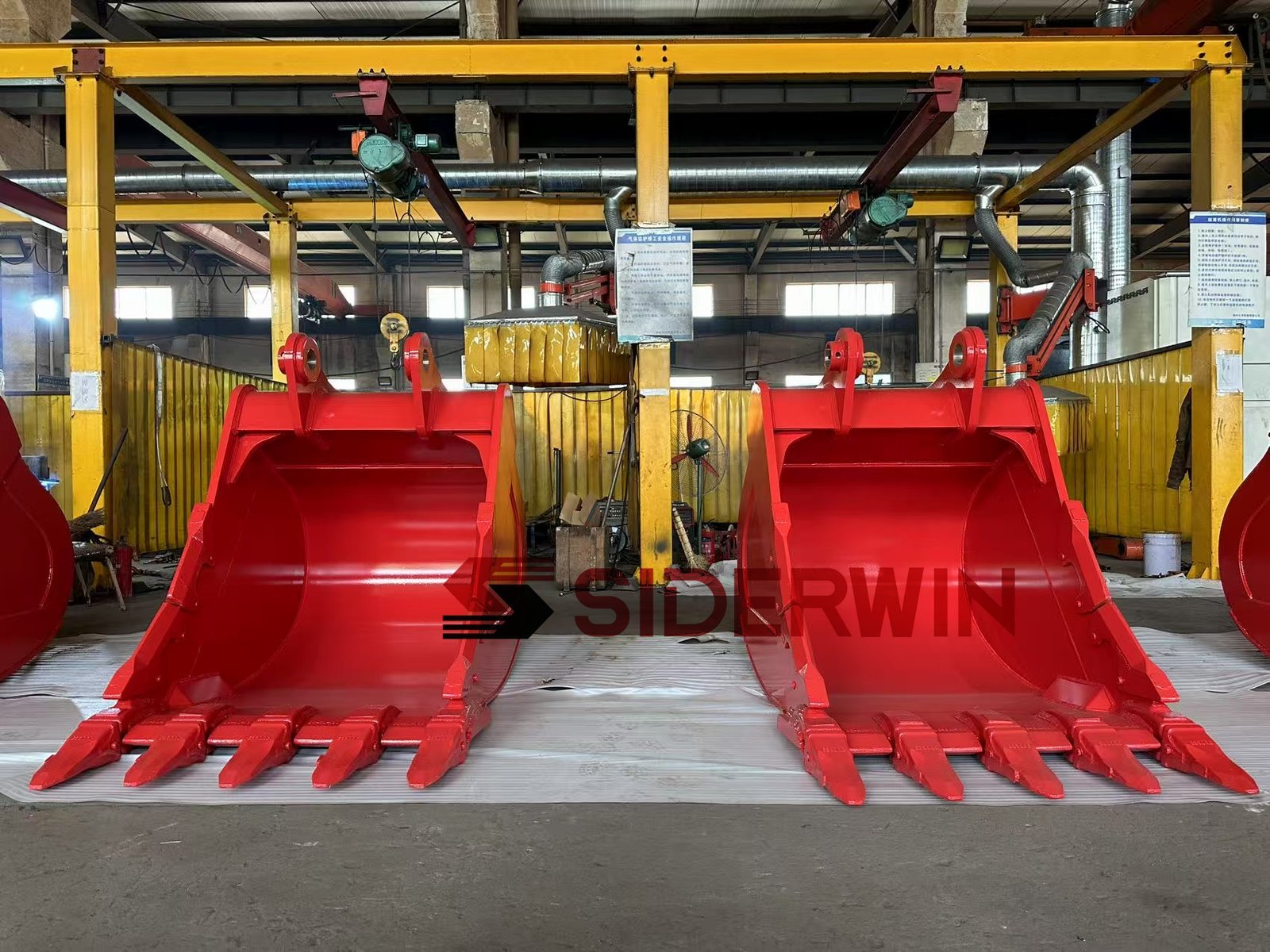
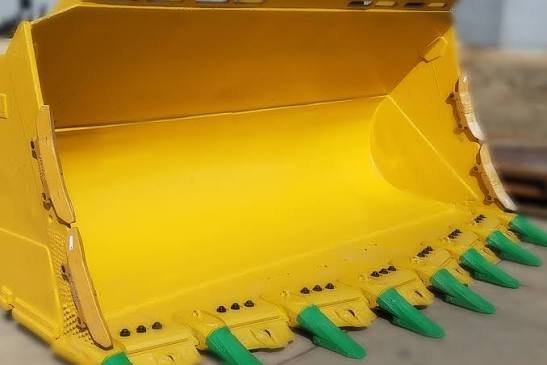
I usually inspect the bucket before work starts. I look at the teeth, adapters, side cutters, cutting edge, bucket body, pins, and welds.
I also check whether the bucket is sitting correctly on the ground. A bucket that looks normal can still have uneven wear.
| Area I inspect | What I look for | Why I check it |
|---|---|---|
| Bucket teeth | Wear, cracks, missing teeth | Maintains digging ability |
| Adapters | Cracks and deformation | Protects the bucket lip |
| Pins and retainers | Looseness or damage | Keeps teeth secure |
| Cutting edge | Uneven wear | Maintains cutting performance |
| Side cutters | Wear or cracks | Protects bucket sides |
| Bucket body | Cracks and deformation | Protects the main structure |
| Welds | Cracks and separation | Prevents structural failure |
I check bucket teeth more often
I pay special attention to bucket teeth because they contact the ground first. Rock and hard soil can wear teeth very quickly.
When I see a tooth becoming short, thin, or badly rounded, I do not wait until it breaks. I replace it at the right time.
A worn tooth can also change the digging angle. I may then see more resistance during excavation. The excavator can need more effort to complete the same job.
I never ignore a loose tooth
A loose tooth is more than a small inconvenience. It can damage the adapter and bucket lip.
I check the pin and retainer when I see movement. If the locking system does not hold the tooth correctly, I replace the damaged component before continuing heavy work.
How should I inspect excavator bucket teeth and adapters?
I inspect the tooth and adapter as one system. I do not only replace the tooth because the adapter can also suffer from wear.
I inspect tooth points, adapters, pins, retainers, and the bucket lip together because these parts work as one digging system and affect each other’s service life.
I measure wear instead of guessing
I do not always rely on appearance. I compare the worn part with its original shape when possible.
I look for several common signs:
- I check whether the tooth point has become too short.
- I check whether the tooth has lost its original profile.
- I check whether the adapter nose has become thin.
- I check whether the pin hole has become enlarged.
- I check whether the retainer still holds the tooth correctly.
- I check whether wear has reached the bucket lip.
I match replacement parts correctly
I always confirm the excavator model and bucket system before ordering replacement parts.
For example, I may need to confirm the machine model, bucket type, tooth system, tooth size, adapter style, pin system, and working condition.
I do not recommend selecting a tooth only because it looks similar. Different tooth systems can use different adapters, pins, and retainers.
| Information I confirm | Why I need it |
|---|---|
| Excavator model | Confirms machine application |
| Bucket model | Confirms bucket structure |
| Tooth part number | Confirms tooth compatibility |
| Adapter part number | Confirms fitment |
| Tooth system | Confirms matching components |
| Working condition | Helps select suitable wear resistance |
| Material being excavated | Helps select tooth type |
I choose different teeth for different jobs
I do not use the same tooth design for every application.
I may choose a general-purpose tooth for normal soil. I may choose a heavy-duty or rock tooth for hard rock and abrasive conditions.
When I select replacement GET, I also consider material quality and heat treatment. These factors can affect wear resistance and service life.
How can I maintain the excavator bucket body?
I treat the bucket body as the main structure. I do not wait until a visible crack becomes large.
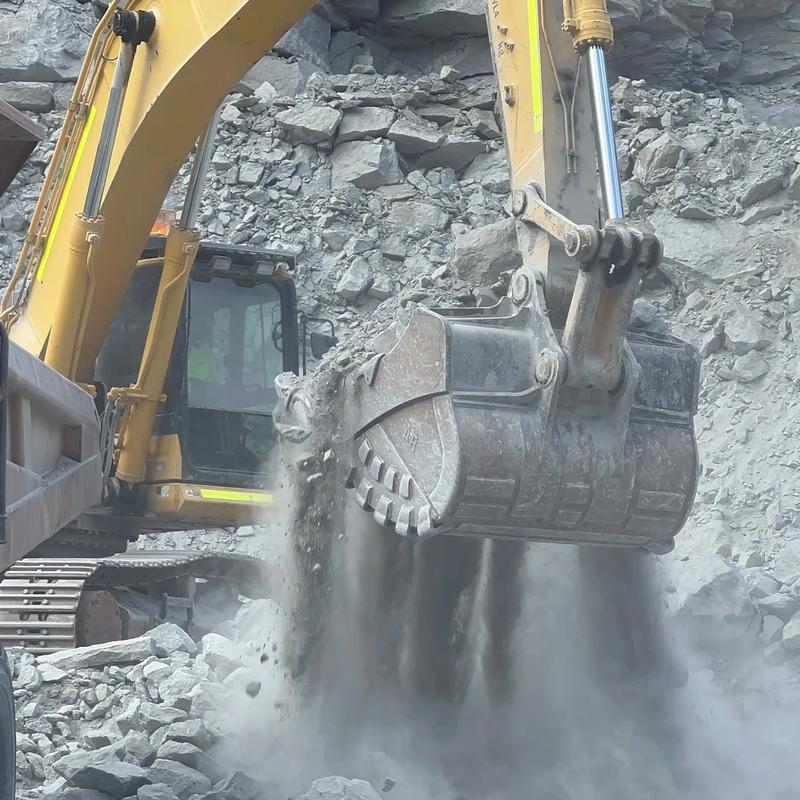
I maintain the bucket body by checking the lip, side plates, bottom plate, wear strips, welds, and high-stress areas for cracks, deformation, and excessive material loss.
I inspect high-stress areas first
I normally check the bucket lip and the connection between the lip and side plates carefully.
I also inspect areas around the adapters. Heavy digging can transfer impact loads from the teeth into the adapters and then into the bucket structure.
If I find a crack, I first identify its cause. A repair without finding the cause may only solve the problem for a short time.
I check the bucket bottom
The bucket bottom can wear faster when I work in abrasive materials.
Sand, gravel, and rock can remove material from the bottom plate over time. If the plate becomes too thin, I may need to install a wear plate or replace the damaged section.
I also check whether the bottom has become deformed. A distorted bucket can affect loading and digging performance.
I inspect the welds
I look for:
- Visible cracks
- Broken welds
- Separation
- Excessive wear near weld areas
- New deformation
- Signs of repeated impact
I do not treat welding as a simple cosmetic repair. I know that poor welding can create another weak point.
How often should I service an excavator bucket?
I do not use one fixed maintenance interval for every excavator bucket. I adjust my inspection schedule according to working conditions.
I normally perform a quick inspection every working day, a more detailed inspection regularly, and a full wear assessment when I notice unusual wear, cracking, poor digging performance, or loose components.
My basic inspection schedule
| Inspection | What I check |
|---|---|
| Before daily operation | Teeth, pins, retainers, cracks |
| During routine maintenance | Wear profile and bucket structure |
| After heavy rock work | Teeth, adapters, lip, welds |
| After abnormal impact | Cracks and deformation |
| Before long-term use | Full bucket condition |
| Before major repair | All structural and wear components |
I change the schedule for rock excavation
Rock excavation creates more impact and abrasion. I inspect the bucket more frequently in this environment.
I also pay closer attention to tooth condition. A tooth that works well in soil may wear much faster in rock.
For mining and heavy-duty excavation, I prefer a maintenance plan based on operating hours and actual wear rather than only calendar dates.
How do I know when an excavator bucket tooth needs replacement?
I replace a tooth when its remaining material no longer provides the required digging shape or when damage creates a safety or performance problem.
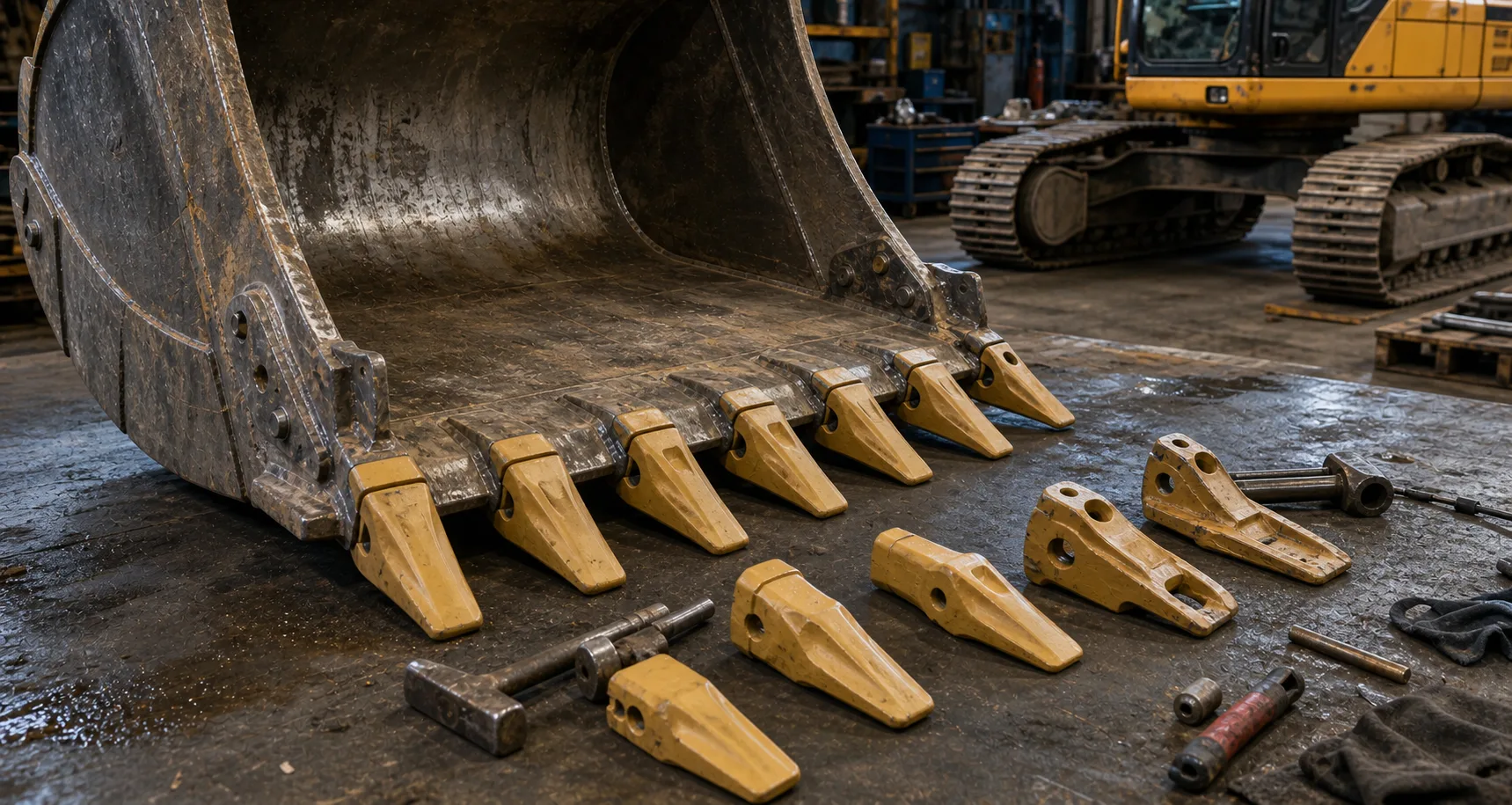
I replace bucket teeth when I see excessive tip wear, cracks, deformation, missing locking components, or a tooth profile that can no longer provide efficient penetration.
I look for these replacement signs
I check for several common conditions:
- I check for a heavily rounded tooth tip.
- I check for excessive material loss.
- I check for cracks.
- I check for broken or missing retainers.
- I check for excessive tooth movement.
- I check for adapter damage.
- I check for abnormal wear compared with other teeth.
I also compare the teeth across the bucket. If one tooth is wearing much faster than the others, I investigate the reason.
The cause may be uneven bucket loading, incorrect tooth installation, different ground conditions, or an adapter problem.
I do not wait until the tooth disappears completely. Manufacturer maintenance guidance also stresses checking tooth wear and replacing the tooth before excessive wear reaches the adapter.
How should I clean and store an excavator bucket?
I clean the bucket because accumulated soil can hide cracks and wear.
I clean the bucket after heavy work, remove packed material, inspect hidden areas, dry the exposed metal when possible, and store the bucket where water and contamination will not accelerate corrosion.
I remove packed material
Wet clay can remain inside the bucket after operation. I remove it before inspection.
I pay attention to the area around teeth and adapters. Packed material can make it difficult to see wear and damage.
I also avoid hitting the bucket aggressively with another machine. A strong impact can create unnecessary damage.
I protect the bucket during storage
If I will not use the bucket for a long period, I clean it first.
I inspect exposed metal surfaces and protect areas that may be vulnerable to corrosion. I also keep the bucket in a suitable storage area.
I avoid leaving the bucket in standing water or in a place where rain can collect inside the structure.
What affects the service life of an excavator bucket?
I do not judge bucket service life only by the bucket brand or price. I look at the complete operating system.
I consider material quality, heat treatment, bucket design, ground conditions, operator habits, maintenance frequency, tooth selection, and workload when I estimate excavator bucket service life.
Material quality matters
I know that different steel grades provide different levels of strength and wear resistance.
For high-wear components such as teeth, adapters, cutting edges, and wear plates, I pay attention to the material and manufacturing process.
I do not choose a product only because it has a low purchase price. I also compare expected service life and replacement frequency.
Heat treatment also matters
I consider heat treatment an important part of wear-part production.
A suitable heat treatment process can help a component achieve the required balance between hardness and toughness.
If a component becomes too hard without enough toughness, it may become vulnerable to cracking under impact. If it is too soft, it may wear quickly.
I therefore look at both wear resistance and impact resistance when I evaluate GET.
Operator habits also affect wear
I have seen operating methods change bucket life significantly.
Aggressive prying, unnecessary impact, side loading, and digging with the wrong bucket angle can increase stress.
I always recommend using the bucket for the job it was designed to perform.
Should I repair or replace a damaged excavator bucket?
I make this decision based on the location and level of damage.
I repair minor structural damage when the main bucket structure remains strong, but I replace severely worn or damaged components when repair cannot restore safe and reliable performance.
When I consider repair
I may consider repair when I find:
- Small cracks in repairable areas
- Localized wear
- Damaged wear plates
- Worn cutting edges
- Replaceable side cutters
- Damaged tooth adapters that can be properly replaced
I first check the surrounding structure. I do not repair one small area while ignoring larger structural problems.
When I consider replacement
I consider replacement when the bucket body has severe deformation, extensive cracking, or excessive material loss.
I also replace individual GET components instead of the complete bucket when the bucket structure remains good.
This approach can reduce maintenance cost and keep the machine working.
How can I reduce excavator bucket maintenance costs?
I reduce maintenance cost by preventing unnecessary wear instead of waiting for expensive failures.
I reduce bucket maintenance costs through regular inspection, correct tooth selection, timely replacement, proper operation, quality wear parts, and accurate maintenance records.
I keep simple maintenance records
I record the date, machine hours, bucket used, teeth replaced, and working conditions.
For example, I may record whether the bucket worked mainly in:
- Sand
- Clay
- Gravel
- Mixed soil
- Hard rock
- Highly abrasive material
These records help me understand real wear patterns.
I compare price with service life
I do not always choose the cheapest replacement tooth.
If one tooth costs less but wears twice as fast, the lower purchase price may not reduce my total cost.
I compare:
Purchase cost + replacement labor + downtime + transportation + expected service life
This gives me a more useful view of the real maintenance cost.
How can I choose a reliable excavator bucket wear parts supplier?
I look for a supplier that can provide consistent quality, correct fitment, technical support, and stable delivery.
I choose a wear-parts supplier by checking manufacturing capability, material quality, heat treatment, OEM compatibility, inspection procedures, warranty, lead time, packaging, and after-sales support.

What I check before placing an order
| Factor | What I ask the supplier |
|---|---|
| Quality | What quality standard do you follow? |
| Material | What material is used? |
| Heat treatment | What process do you use? |
| Compatibility | Which machine and tooth systems fit? |
| Warranty | What warranty do you provide? |
| Lead time | How long will production take? |
| Packaging | How will the parts be packed? |
| Shipping | Can you arrange worldwide shipping? |
| Factory | Can you provide factory information? |
| Technical support | Can you confirm the correct part? |
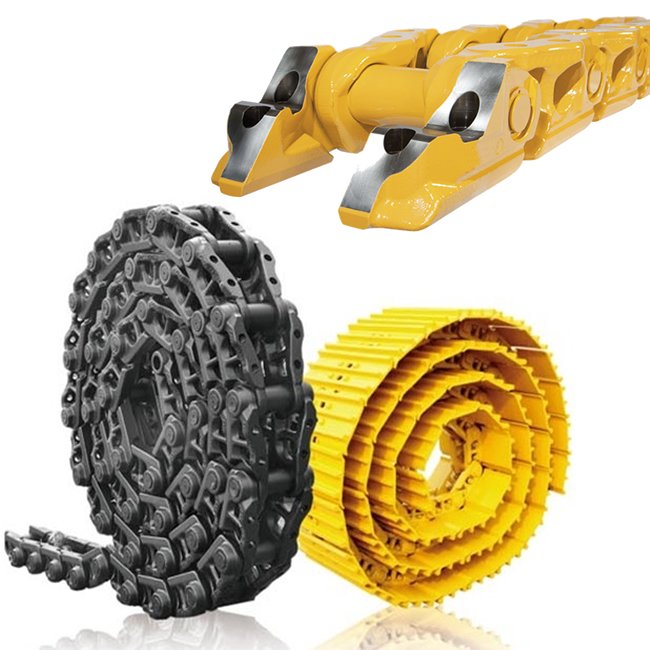
At Hunan Siderwin Construction Machinery Co., Ltd., I focus on construction machinery wear parts and one-stop purchasing solutions. I provide undercarriage parts, ground engaging tools, excavator buckets, and foundation drilling tools.
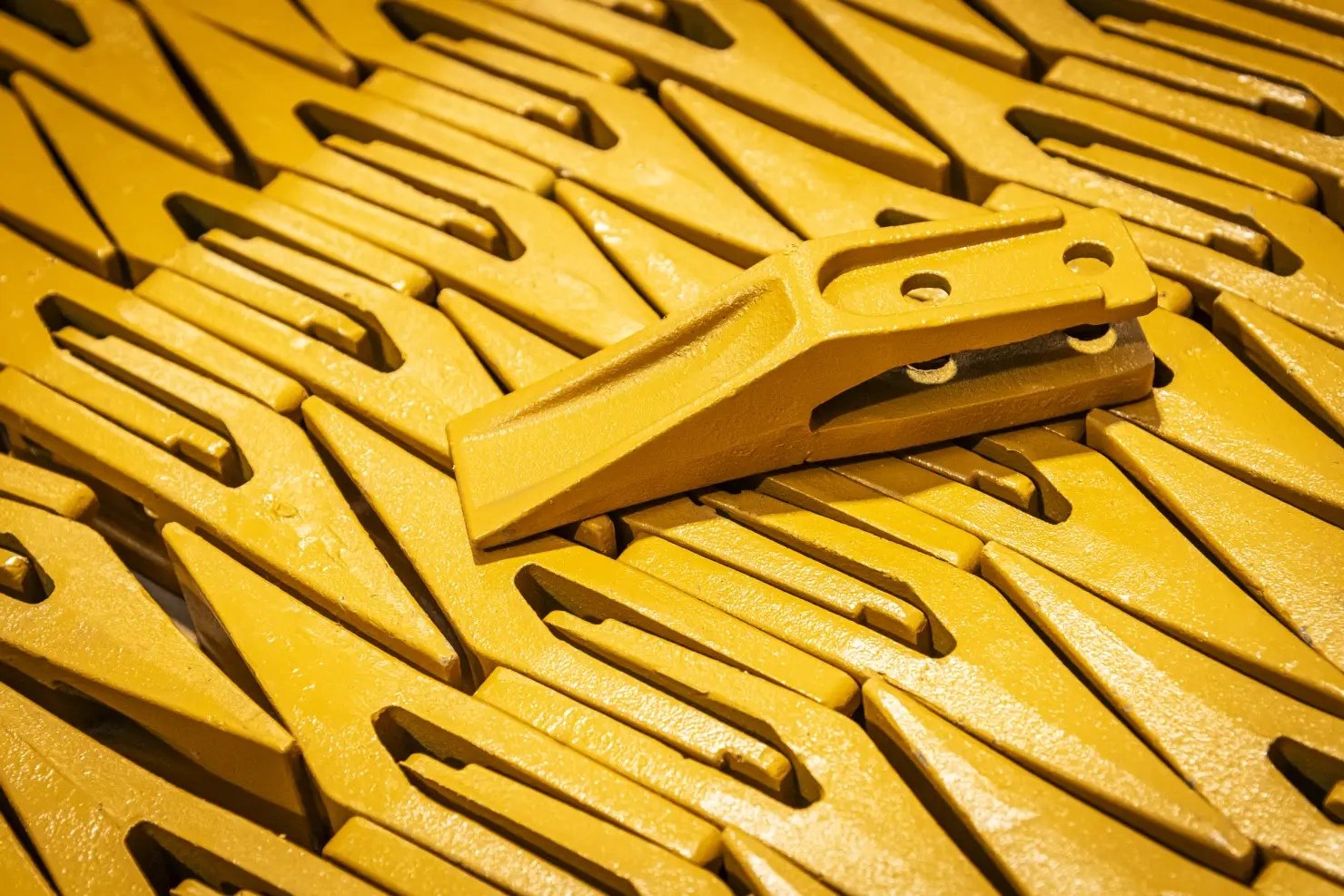
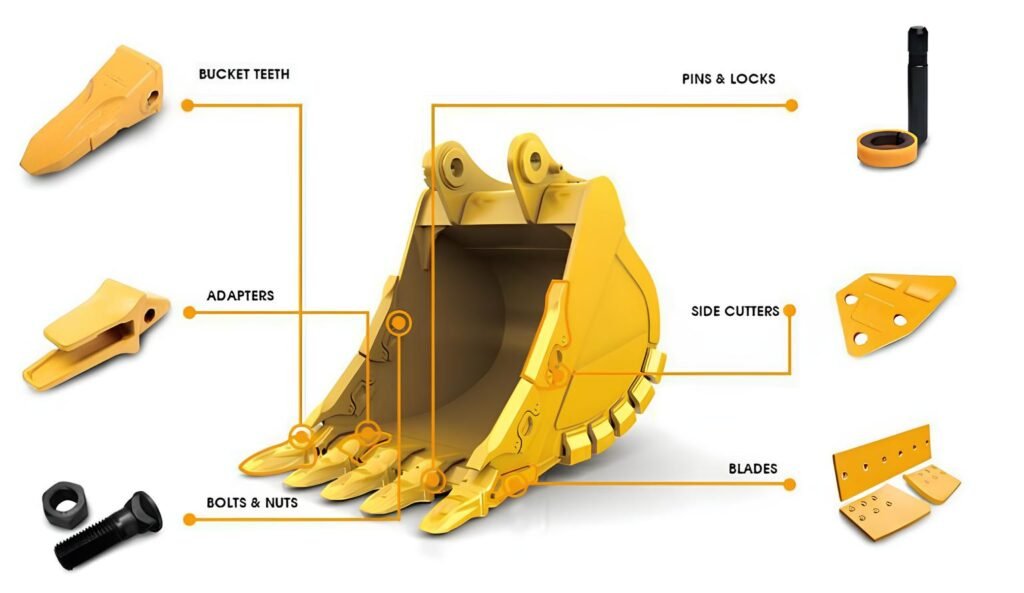
I can supply bucket teeth, tooth adapters, pins, retainers, side cutters, cutting edges, end bits, and wear plates for many excavator brands.
I also provide products compatible with Caterpillar, Komatsu, Hitachi, Volvo, Hyundai, Doosan, Kobelco, SANY, XCMG, SDLG, LiuGong, and other machines.
I understand that buyers may need more than a product price. I therefore pay attention to material, wear resistance, service life, quality inspection, packaging, lead time, and shipping.
I can also support OEM and ODM requirements. I accept small trial orders when the application requires testing before a larger purchase.
Conclusion
I maintain an excavator bucket through regular inspection, timely wear-part replacement, correct operation, and careful selection of quality components to protect performance and reduce long-term costs.