B47K19H vs B47K22H Bullet Teeth for Pile Driving Machines
Ask a foundation contractor which tooth they run and the answer is usually a code like B47K19H or B47K22H. Those two designations cover most of the round shank bullet teeth sold into the rotary drilling market, and the difference between them is small on paper: nineteen millimetres of carbide tip against twenty-two. On site, that 3 mm decides whether a pile gets drilled at the rate the programme assumes or whether the crew spends the shift changing teeth.
This is a buyer guide to the two models: what the codes mean, which one to run in which rock, how the tooth interacts with the holder, and where the money leaks if the fit is wrong.
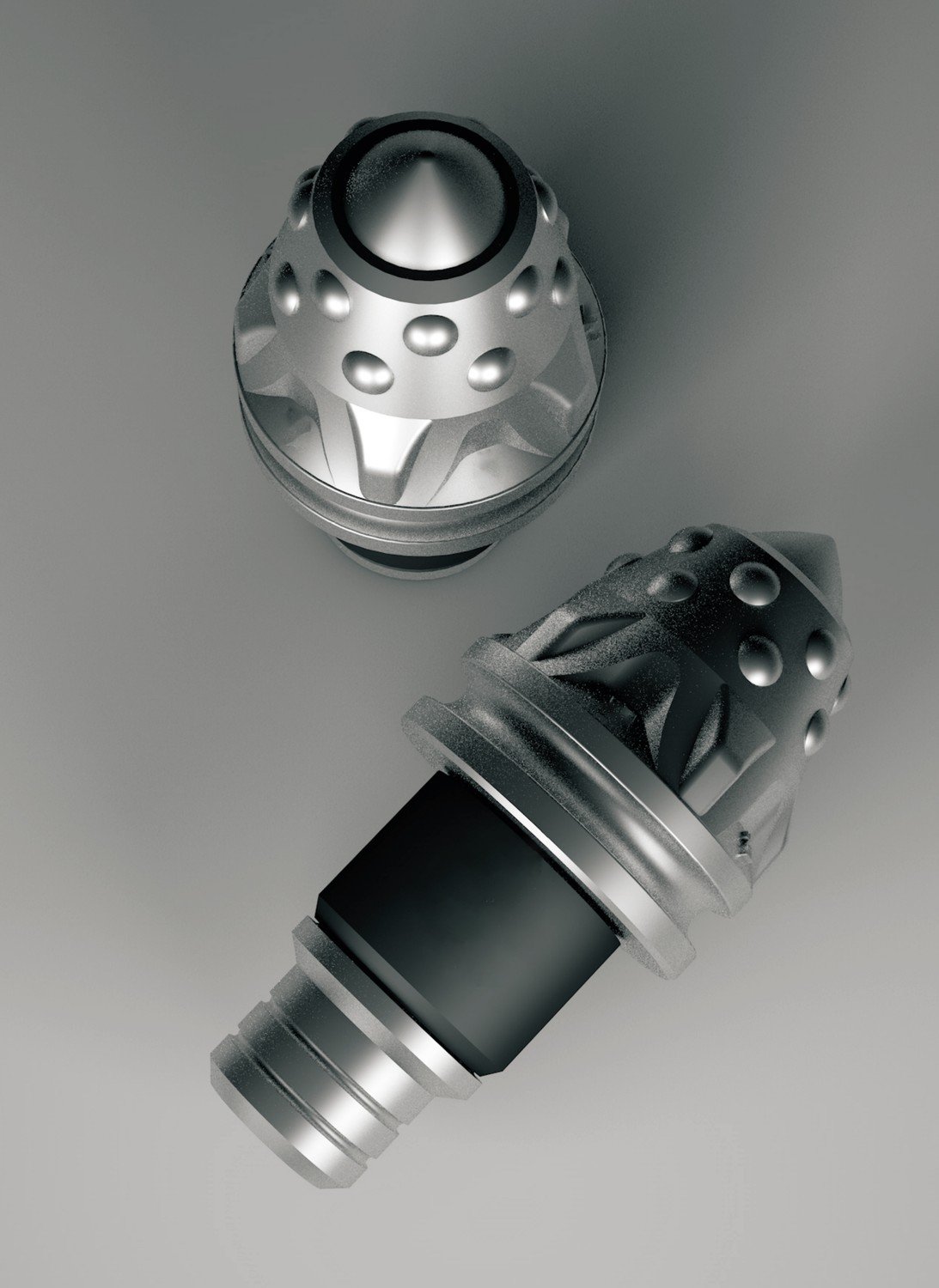
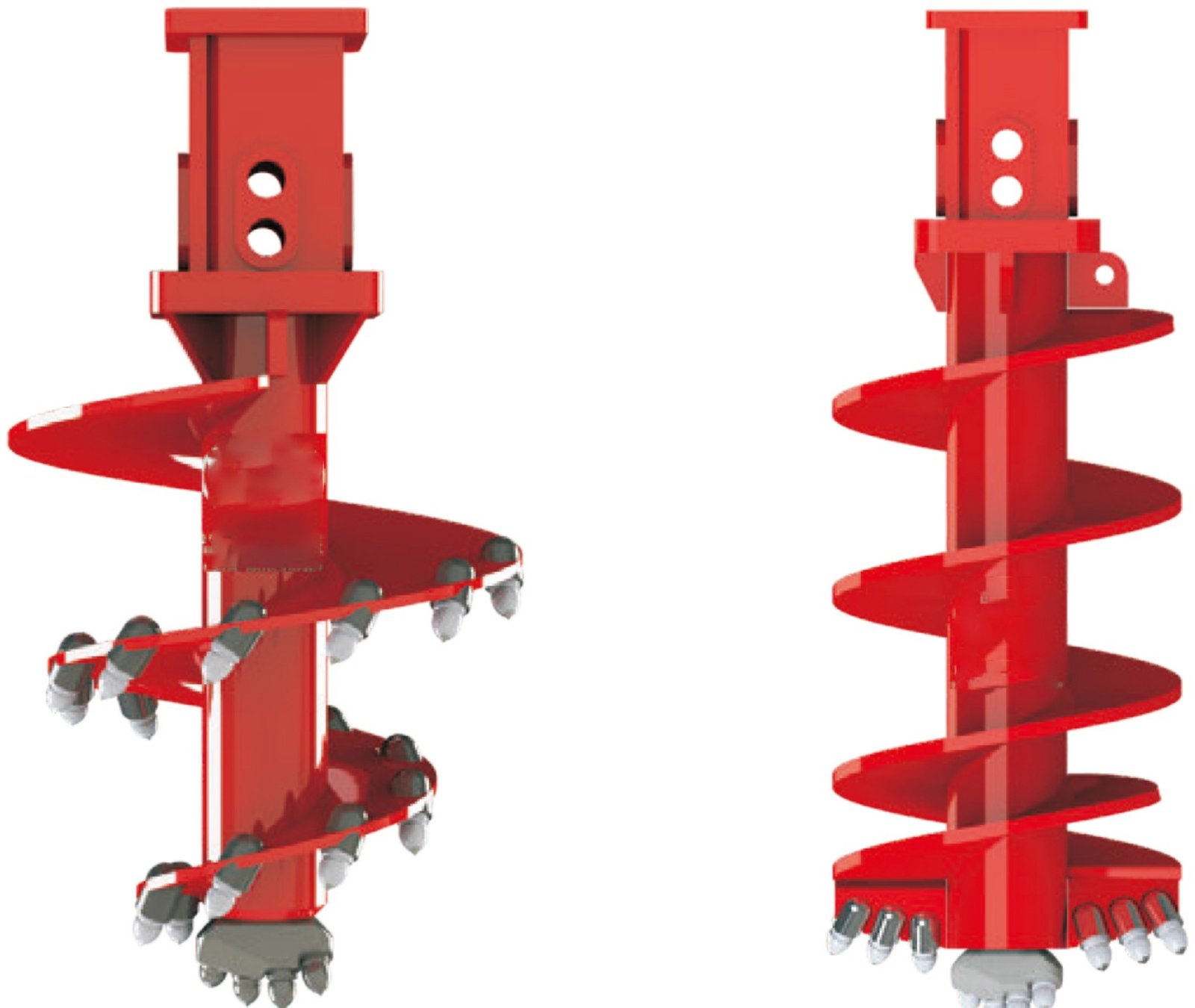
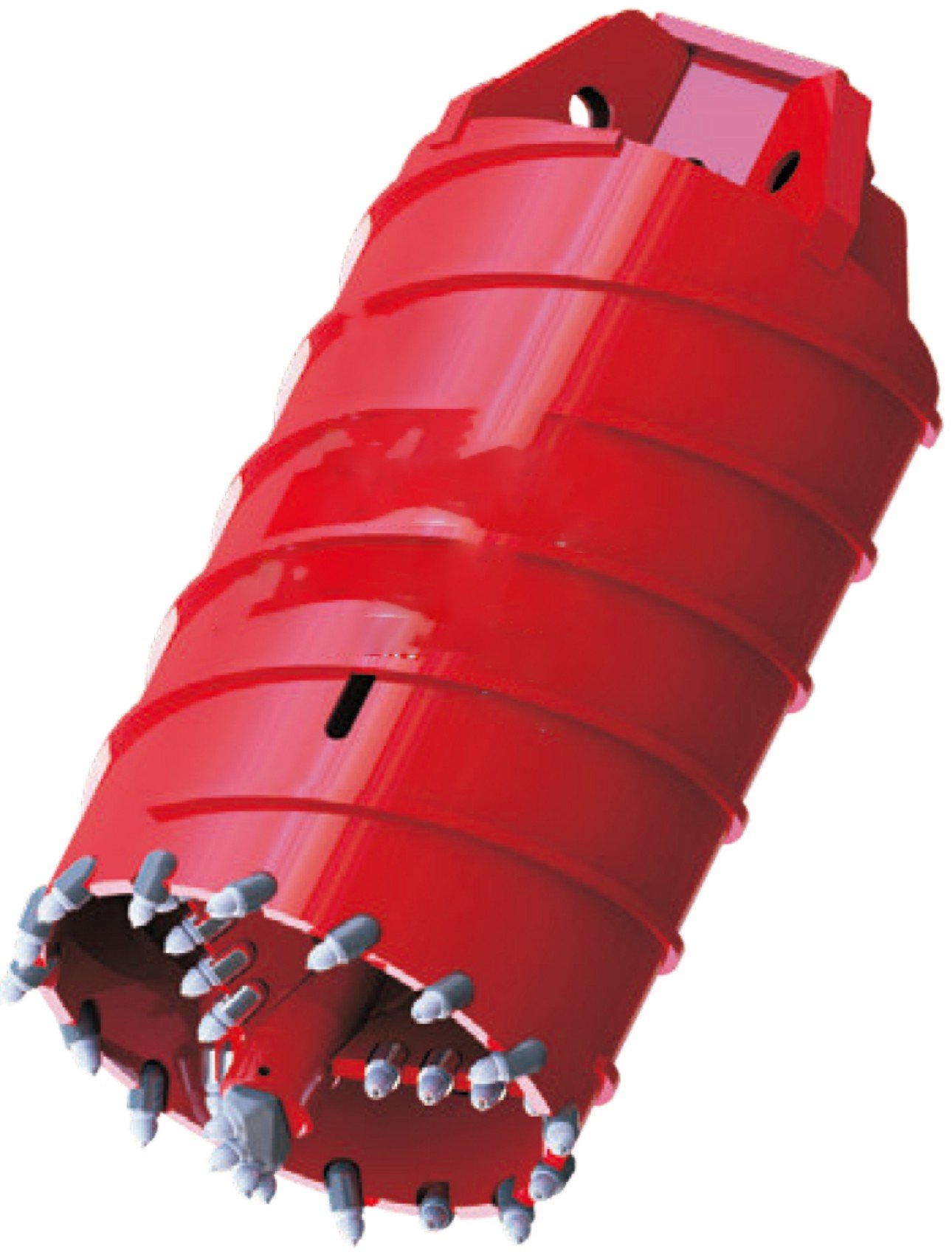
One thing to clear up before anything else. B47K19H and B47K22H are round shank bullet teeth (conical picks) for rotary drilling rigs, augers, drilling buckets and core barrels. They are not DTH button bits, even though the “B47” prefix is used in both families and the same code appears on listings for down-the-hole drill bits used on blast holes and pile driving hammers. If you need a button bit with a skirt and a flushing hole, this is the wrong article and the wrong product. If you are bolting picks into a holder on an auger or a drilling bucket, keep reading.
What the codes mean
Decoding the designation saves a lot of ordering errors. The B47K family is the standard heavy-duty round shank bullet tooth; the trailing letter indicates the tooth configuration, and the number before the letter is the nominal carbide tip diameter in millimetres.
| Model | Carbide tip | Shank dia. | Body dia. | Overall length | Weight | Rock strength |
|---|---|---|---|---|---|---|
| B47K17.5H | 17.5 x 24 mm | 30 mm | 50 mm | ~95 mm | 0.75-1.20 kg | below 50 MPa |
| B47K19H | 19 x 25 mm | 30 mm | 50 mm | ~95 mm | 0.75-1.20 kg | 10-60 MPa |
| B47K22H | 22 x 27-30 mm | 30 mm | 50-60 mm | ~99 mm | 0.82-1.25 kg | 60-100 MPa |
| B47K22/60 | 22 mm | 30 mm | 60 mm | ~105 mm | ~1.05 kg | 60-90 MPa |
| B47K25H | 25 mm | 30 mm | 60 mm | ~110 mm | ~1.10 kg | 80-120 MPa |
| B47K30H | 30 x 30 mm | 30 mm | 60 mm | ~115 mm | ~1.25 kg | 100-150 MPa |
Both models take a 30 mm shank, which is the point most often missed. Because the shank diameter is identical, the same holder, bolt and retaining clip work for either tooth — the changeover is a 30-second operation at the deck of the rig, not a workshop trip (source: B47K series bullet tooth specification, drillingbucket.com).
A smaller series covers lighter duty. The C31HD uses a 25 mm shank, weighs approximately 0.45 to 0.50 kg — around 40 percent lighter than a B47K22H — and carries a 17 mm carbide tip suited to soft to medium ground below 30 MPa. It normally runs in a C30 holder with a smaller pocket than the B43H or B85 systems. In the right conditions the C31HD drills faster and costs less per metre than an oversized alternative, so it is a legitimate choice on clay, sand and gravel, not a compromise (source: B47K, C31HD and BK series model guide).
Which one to run: matching teeth to rock
The single most common mistake is running the same tooth across changing formations. Below is the matching framework used in the field, based on unconfined compressive strength of the formation.
| Formation strength | Typical ground | Recommended tooth | Service life | Note |
|---|---|---|---|---|
| 30-50 MPa | Weathered rock, soft limestone | B47K19H | 80-150 m | Comfort zone, long life |
| 50-70 MPa | Medium limestone, sandstone | B47K19H or B47K22H | 60-120 m | Step up if hard bands appear |
| 70-90 MPa | Hard limestone, granite, basalt | B47K22H or B47K25H | 40-80 m | The critical decision zone |
| 90-100 MPa | Very hard granite, quartzite | B47K25H or B47K30H | 30-50 m | Inspect teeth every 20 m |
| 100 MPa and above | Hard rock | Roller bit or core barrel | Varies | Tooth wear accelerates sharply |
Service life figures are indicative ranges from field data, not guarantees — actual life depends on rotation speed and feed pressure, and can vary by a factor of two between a clean hole and a badly drilled one (source: bullet teeth for hard rock drilling guide, 2026).
Two numbers are worth holding onto. The B47K22H’s 22 mm carbide tip gives roughly 16 percent more cutting surface than the B47K19H, which translates into longer service life and better heat dissipation (source: B47K series model guide). And contractors running hard rock report that switching from B47K19H to B47K22H extends tooth life by approximately 30 percent and improves overall productivity by around 20 percent. That is the whole commercial argument for the bigger tooth, and it only holds in rock above 60 MPa. Below that, the B47K19H is the better buy.
The 60 MPa question
Published ratings for the B47K22H vary, and buyers notice. Manufacturer selection charts from one supplier rate it for formations within 70 MPa, while field data shows it performing reliably up to 100 MPa when drilling parameters are optimised (source: bullet teeth for hard rock guide, 2026). Other charts list the B47K22H at 60-100 MPa and the B47K19H at 10-60 MPa.
Both are right in different senses. The 70 MPa figure is the conservative design envelope; the 100 MPa figure is what the tooth does when rotation speed and feed suit the formation. In 60-80 MPa limestone, service life averages 40-80 metres; in 80-100 MPa granite it drops to 30-50 metres. This model handles the large majority of hard rock foundation work, and that is why it is the volume seller in the range (source: bullet teeth for hard rock drilling guide).
Where formations vary above and below 100 MPa within the same borehole, the B47K25H and B47K30H act as a bridge rather than a permanent step up. Bullet teeth wear three to five times faster above 100 MPa than they do at 60-80 MPa, which is where the argument for switching to roller bits begins (source: bullet teeth for hard rock guide, 2026).
Material and construction
The body and the tip are different jobs, and the quality split between them is where counterfeit and substandard product usually shows.
The body
Bullet tooth bodies are forged alloy steel — ASTM 4140 (42CrMo) or ASTM 5140 (40Cr) — heat treated to HRC 48-53 on the upper section and HRC 38-42 on the shank (source: round shank bullet tooth specification). The upper section needs hardness to resist abrasion; the shank needs toughness to survive being hammered into the holder on every change. A tooth uniformly hard at the shank chips at the collar instead of wearing; one uniformly soft at the head polishes out in a fraction of the rated life.
Manufacturing route matters too. Warm extrusion forging combined with precision heat treatment produces a denser structure than conventional methods, and the shank carries anti-loosening retaining springs as standard (source: B47K 19H and 22H product specification). A hollow or poorly forged shank is why a pick spins in its holder and then disappears down the hole.
The carbide tip
The tip is a low-cobalt, extra-coarse tungsten carbide, typically YG11C or YG13C grade, hardened to HRC 88-92 (source: bullet teeth for hard rock guide, 2026). Extra-coarse grain resists the chipping that takes fine-grain carbide out of service early; low cobalt content preserves toughness so the tip survives impact instead of shattering. For very abrasive formations, some designs add nine carbide strips or a wear-resistant coating, extending life further at higher initial cost (source: FES bullet teeth selection guide).
How the tip is joined
This is where a lot of tool life is won or lost. The carbide and the steel body are joined by vacuum welding, and the weld quality determines whether the tip spalls off under impact. Vacuum welding controls brazing temperature within plus or minus 10 degrees and integrates brazing and heat treatment into a single heating process, limiting decarbonisation and giving a cleaner bond (source: WESCOZ bullet teeth technical note, 2026). A tooth welded in open air looks identical and fails a fraction of the way through.
The holder question
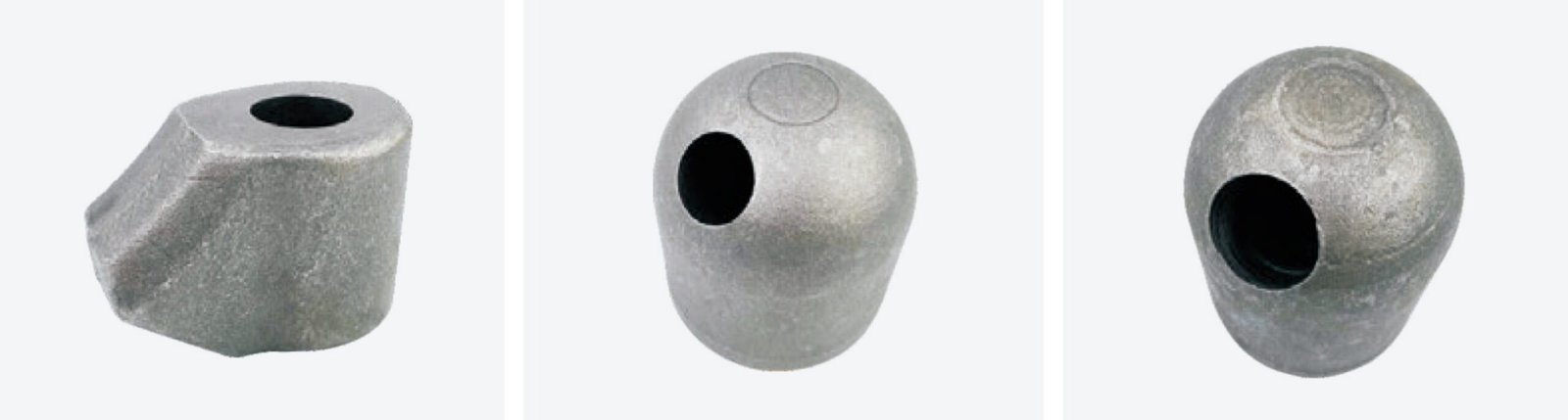
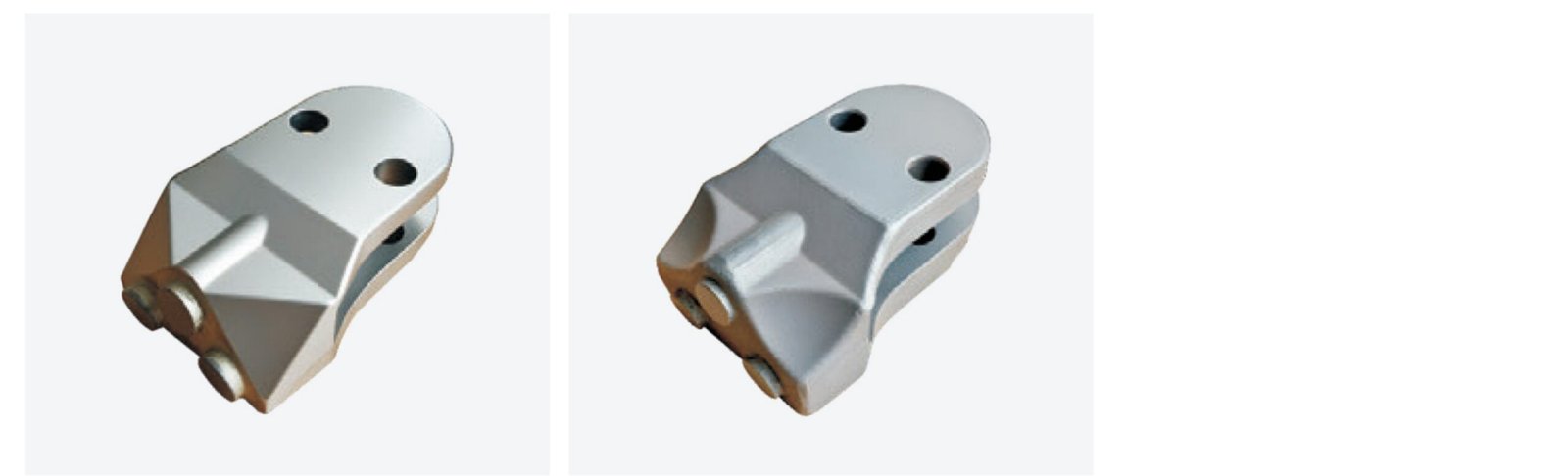
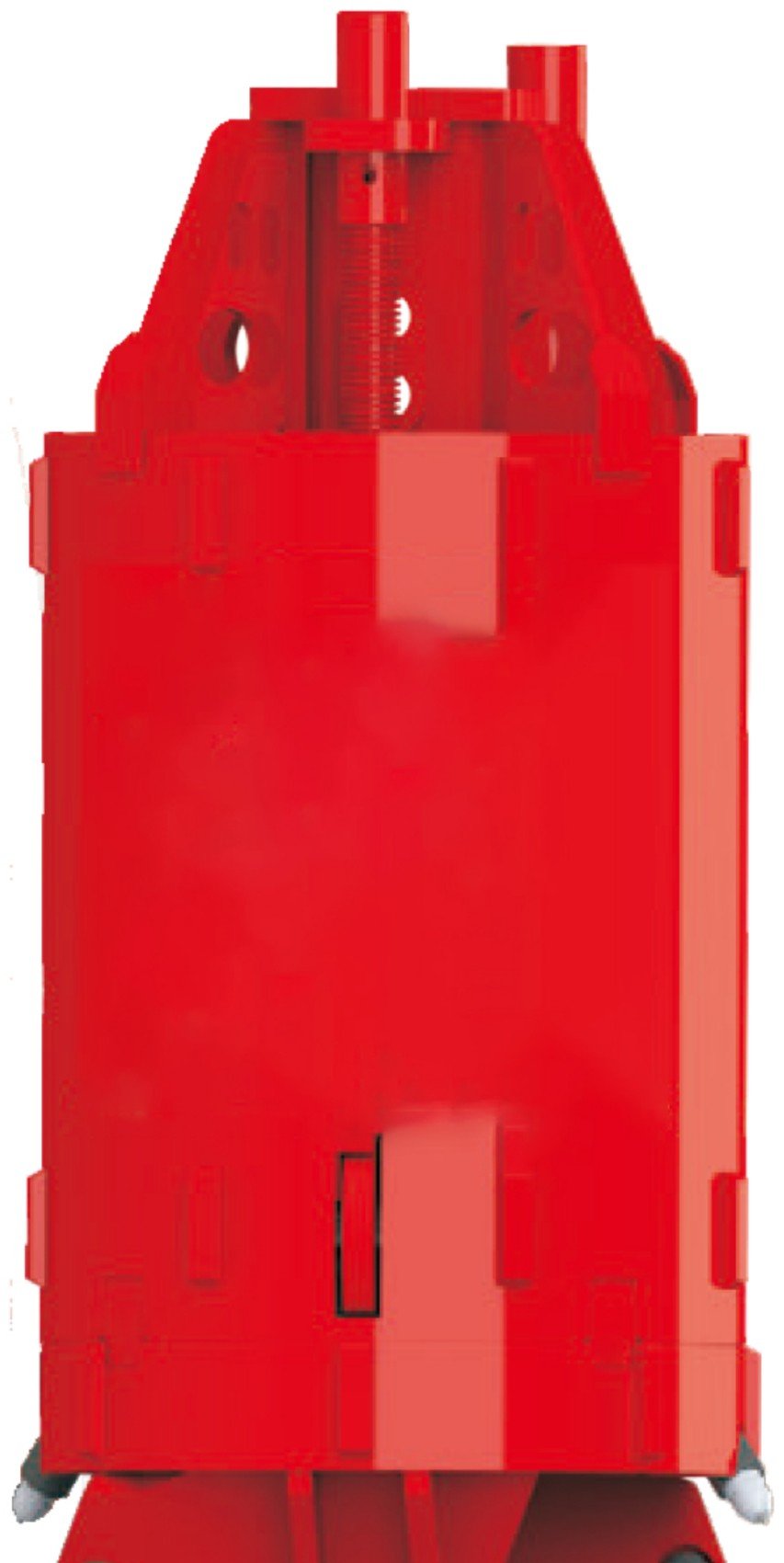
A tooth is only as good as the holder it sits in, and this is where most specification errors are made. Three holder families cover the round shank bullet tooth range: the square pocket B43H, the large round pocket B85/2, and the small round pocket B66/95 (source: Siderwin common holders range).
The B43H and B85/2 systems both accept the standard 30 mm shank, which is why they pair with the whole B47K family; the smaller round pocket is for lighter picks. An undersized pocket means the shank does not seat fully — load transfers through the tooth body instead of the shank, the tooth rocks, and the tip chips. An oversized pocket means the shank sits loose, the pick spins, and the changeout is the thing that breaks.
What it actually costs
Cost per metre is the only comparison that survives contact with a drilling programme, and it is where the cheaper tooth often loses.
The calculation is straightforward: tooth price divided by metres drilled per tooth, multiplied by the number of teeth in the tool. A ten-tooth auger head running B47K19H in 70 MPa rock at 30 metres per tooth needs roughly 0.33 tooth changes per metre drilled. Switching to B47K22H at 45 metres per tooth drops that to 0.22 — the same drilling with a third fewer changeouts. On a rig where a tooth change takes twenty minutes and the crew is waiting, that shows up in metres per shift before it shows up in the consumables budget.
The other half of the cost is the failure that is not planned. A tooth that spalls or breaks in the hole stops the operation, and recovering a broken pick from a borehole is not a ten-minute job. That is the argument for specifying vacuum-welded carbide over a cheaper cold-pressed tip, and for asking for a batch hardness report before accepting delivery.
Packing and supply
Standard export packing for this product family is a plastic box inside a wooden carton, with steel buckets as an alternative, and the standard carton holds 50 pieces. Minimum order quantities commonly sit at 1,000 pieces, with monthly supply capacity in the region of 90,000 to 100,000 pieces (source: round shank bullet tooth supplier specification, 2026). Confirm those on a quotation rather than assuming them — pack configuration is where a lot of avoidable freight cost hides.
Writing the order
Six lines in a specification prevent most of the recurring complaints on this product.
Model designation and tip diameter. State B47K19H or B47K22H explicitly, and the carbide tip dimension in millimetres. “Bullet tooth” alone is not a specification, because the same description covers everything from the 17.5 mm to the 30 mm tip.
Shank diameter. 30 mm for the B47K family. If you are also buying C31HD picks for the same machine, say so, because the shank and the holder differ.
Holder compatibility. Name the holder system — B43H or B85/2 for the 30 mm shank — and confirm the pocket type, so the supplier supplies teeth and matching hardware in one shipment.
Carbide grade and tip height. Low-cobalt extra-coarse, YG11C or YG13C equivalent, HRC 88-92. Tip height is often written as a range rather than a single figure, for example 22 x 27-30 mm, and the variation is deliberate — it lets the tooth sit at different protrusion depths in the holder. If your operation needs a fixed protrusion, say so.
Body material and hardness. ASTM 4140 (42CrMo) or equivalent, HRC 48-53 upper section and HRC 38-42 shank. This is the line that separates a real forged body from a casting that happens to look the same.
Welding process and documentation. Vacuum welding of the carbide to the body, and a batch hardness report with the shipment. This is the cheapest quality check available and it catches the majority of bad product.
What Siderwin supplies
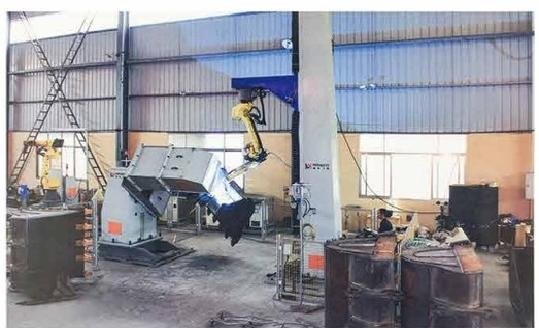
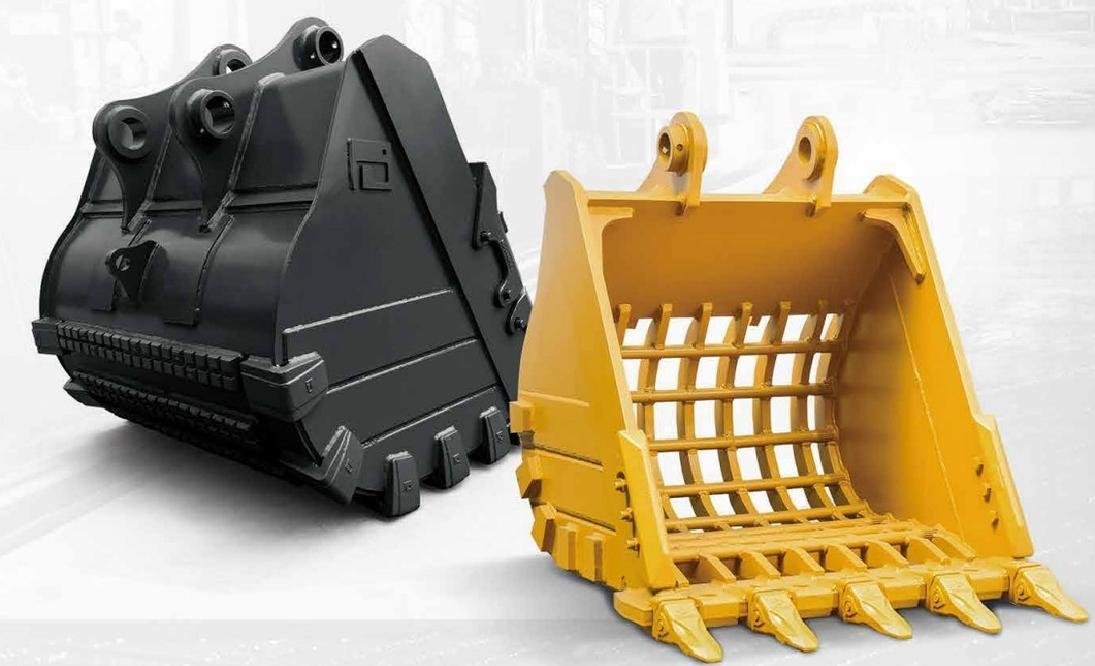
Hunan Siderwin Construction Machinery Co., Ltd manufactures round shank bullet teeth and the full holder range for rotary foundation rigs, together with conical and straight rock augers, drilling buckets, core barrels, cleaning buckets, roller bits and wear blades. The plant in Liuyang runs laser cutting, robotic welding and automatic surface treatment, with a 4,000-ton forging line, in-house heat treatment and a physico-chemical laboratory for hardness, impact and metallographic testing. The company works with SANY, Sunward and Zoomlion and exports to more than 20 countries.
Standard catalogue items ship in 0 to 7 days, customised designs in 7 to 15 days, with priority production for urgent orders. Large orders run on 30 percent advance payment against bill of lading or L/C at sight. Send the rig model, the formation and its compressive strength, the holder system in use and the tooth quantity, and we will come back with the specification, the price and the lead time — with the hardness report to back it.
Send us your bullet teeth enquiry
info@siderwin.com | WhatsApp/Tel: +86 181 4265 7536 | www.siderwin.com
All data cited in this article is referenced in plain text by source. Weights and dimensions vary between manufacturers; always verify against the supplier’s drawing before ordering. Service life figures are indicative and depend on formation, rotation speed and feed pressure.