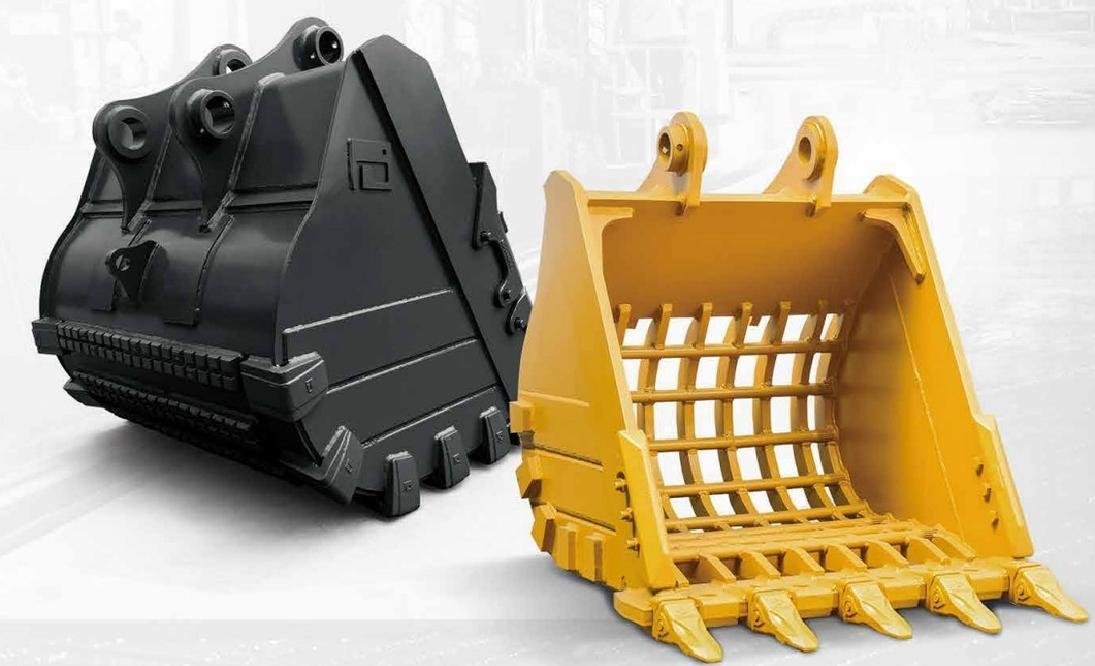
Rotary Drilling Bucket Bottom Gates: Single vs Double Bottom in 2026
Next week the piling world lands in Shanghai. bauma CHINA 2026 runs November 24–27 at the Shanghai New International Expo Centre alongside a second venue at the Shanghai World Expo Exhibition & Convention Center, with more than 4,000 exhibitors from 30-plus countries across 400,000 square meters (source: show organizer announcements, 2026). Most buyers walking the drilling-tool rows will compare buckets by diameter, teeth and price. The specification that quietly decides their cost per pile, however, is the one nobody photographs: the bottom gate.
Spoil captured per cycle is the single biggest driver of piling productivity. A bucket that leaks half its load on the way up doubles the number of trips to the spoil heap, burns rig hours and pumps sediment back into a borehole you just paid to clean (source: piling contractor field analysis, 2026). This guide explains how bottom gates work, when a single bottom is the honest choice, when a double bottom pays for itself, and what to inspect before you sign the RFQ.
What the bottom gate does in one cycle
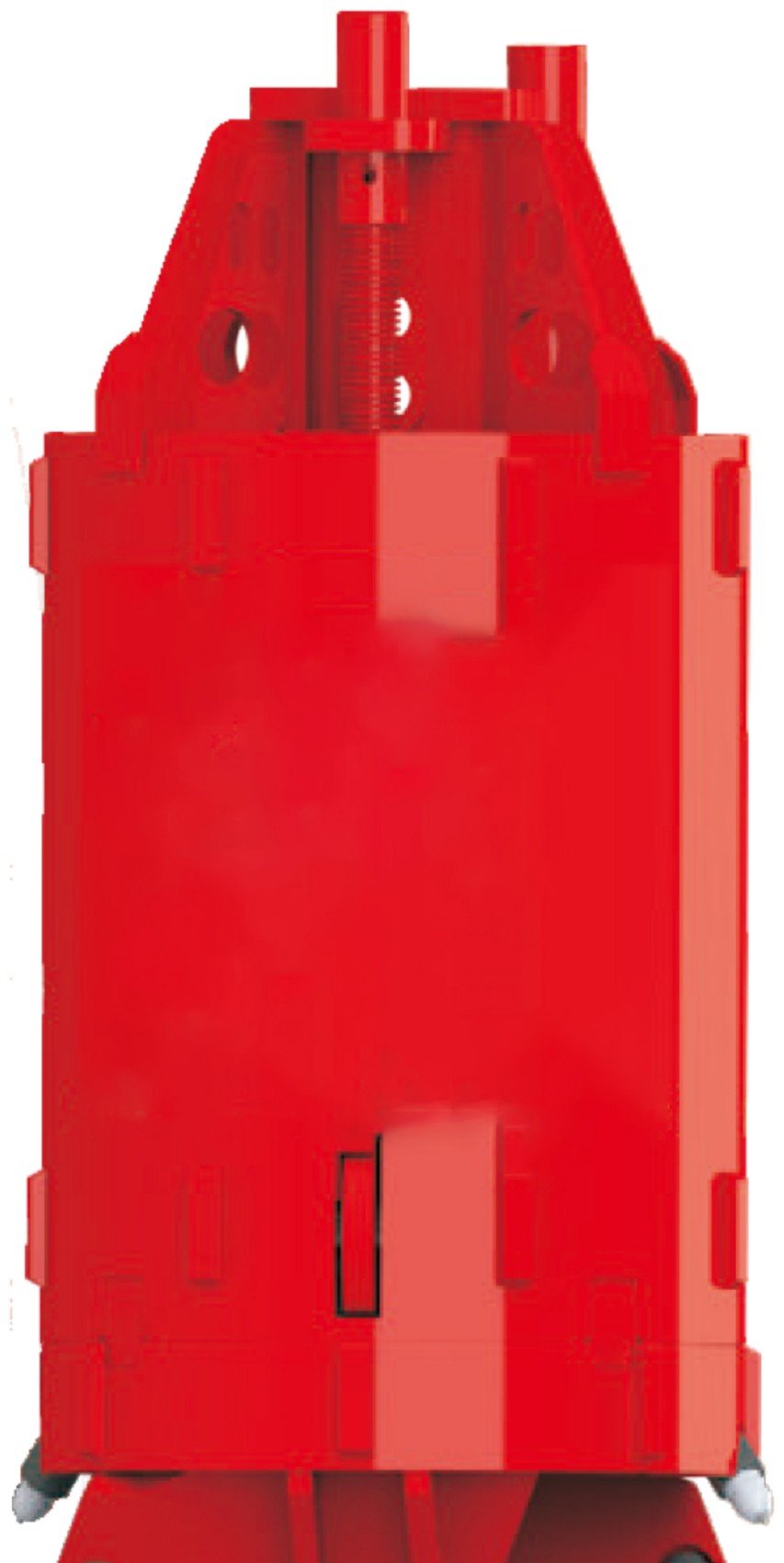
A rotary drilling bucket repeats four moves: cut, collect, lift, discharge. The gate is the mechanism that makes moves two and four possible at the same time. While the bucket rotates on the bottom, the gate stays open so cuttings push inside; when the Kelly bar lifts, the gate must shut instantly so the spoil stays in.
On the most common design, two hinged flap doors open inward only. Ground pressure against the doors keeps them open during drilling; when the bucket lifts, the weight of spoil inside pushes both doors shut (source: construction machinery engineering analysis, 2026). On a double-bottom bucket the closing is more deliberate: the rotating lower floor turns a set angle relative to the fixed upper floor, and soil resistance against rotation during lift flips it closed, sealing the inlet completely (source: construction machinery engineering analysis, 2026). A small ventilation pipe through the body equalizes pressure so the bucket does not suck vacuum and jam when pulled out of wet, sticky spoil (source: drilling tool manufacturer specification guide, 2026).
All of this is moving machinery working submerged in abrasive slurry. The gate is the highest-wear mechanism on the tool, and it is the part most RFQs never mention.
Single bottom flap buckets: cheap, fast, honest about their limits
A single-bottom bucket has one base plate and one opening gate. It is lighter, simpler, cheaper and faster to dump, and the crew can clean it with a shovel in a minute. In soft to stiff clays and other cohesive soils where the spoil holds itself together, nothing falls out on the lift and a single flap is all you need (source: piling contractor field analysis, 2026).
The weakness is tolerance. The flap seals by butt contact against the plate edge, and every cycle in sand grinds that contact line open a little wider. In sands and gravels a worn flap starts leaking, first fine wet sand, then half the load (source: piling contractor field analysis, 2026). In sandy Gulf-region conditions, a worn single-bottom bucket can cut effective spoil per cycle by 30 to 50 percent — a productivity loss bigger than most price negotiations (source: foundation drilling contractor technical bulletin, 2026).
Double bottom buckets: overlap seals that survive wear
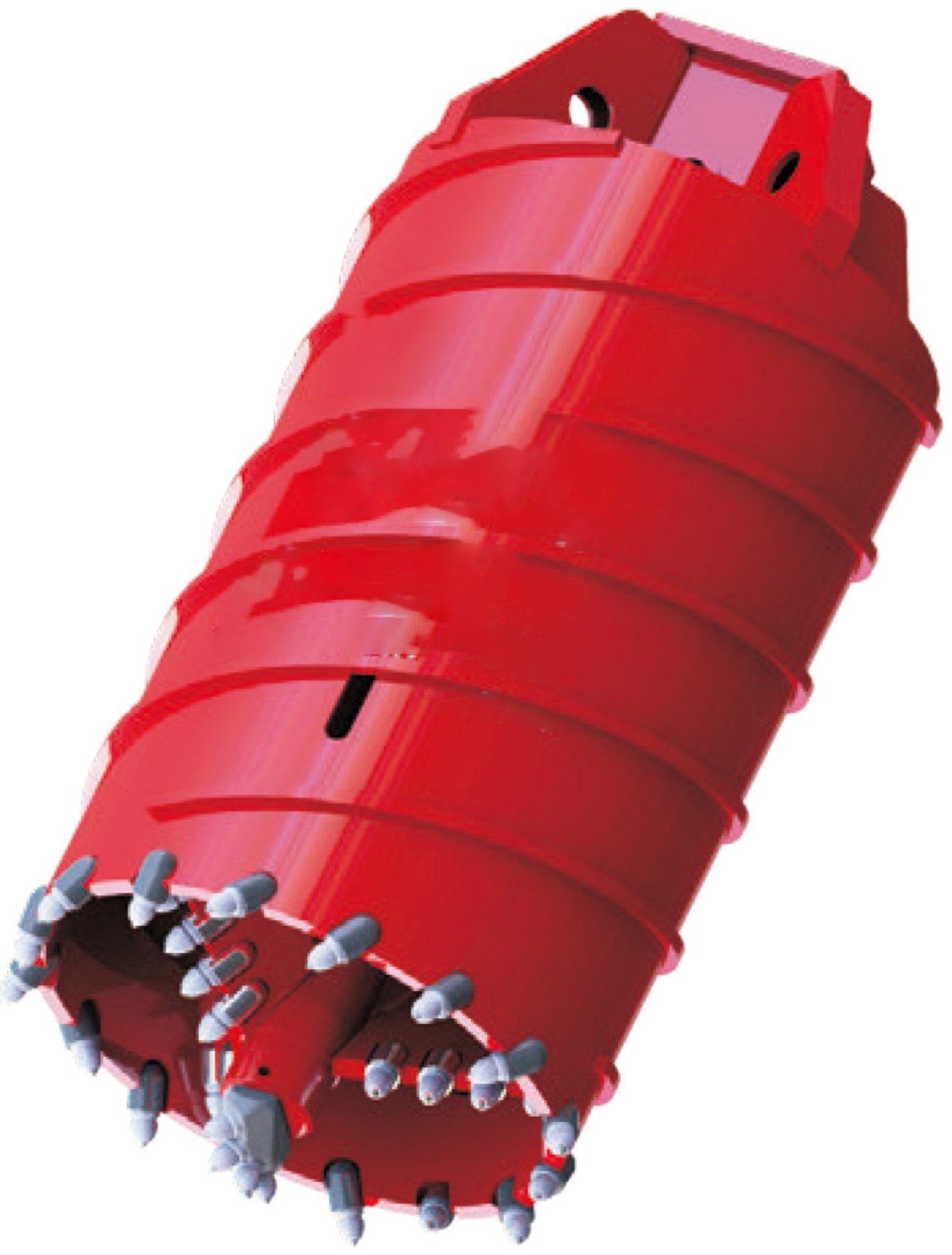
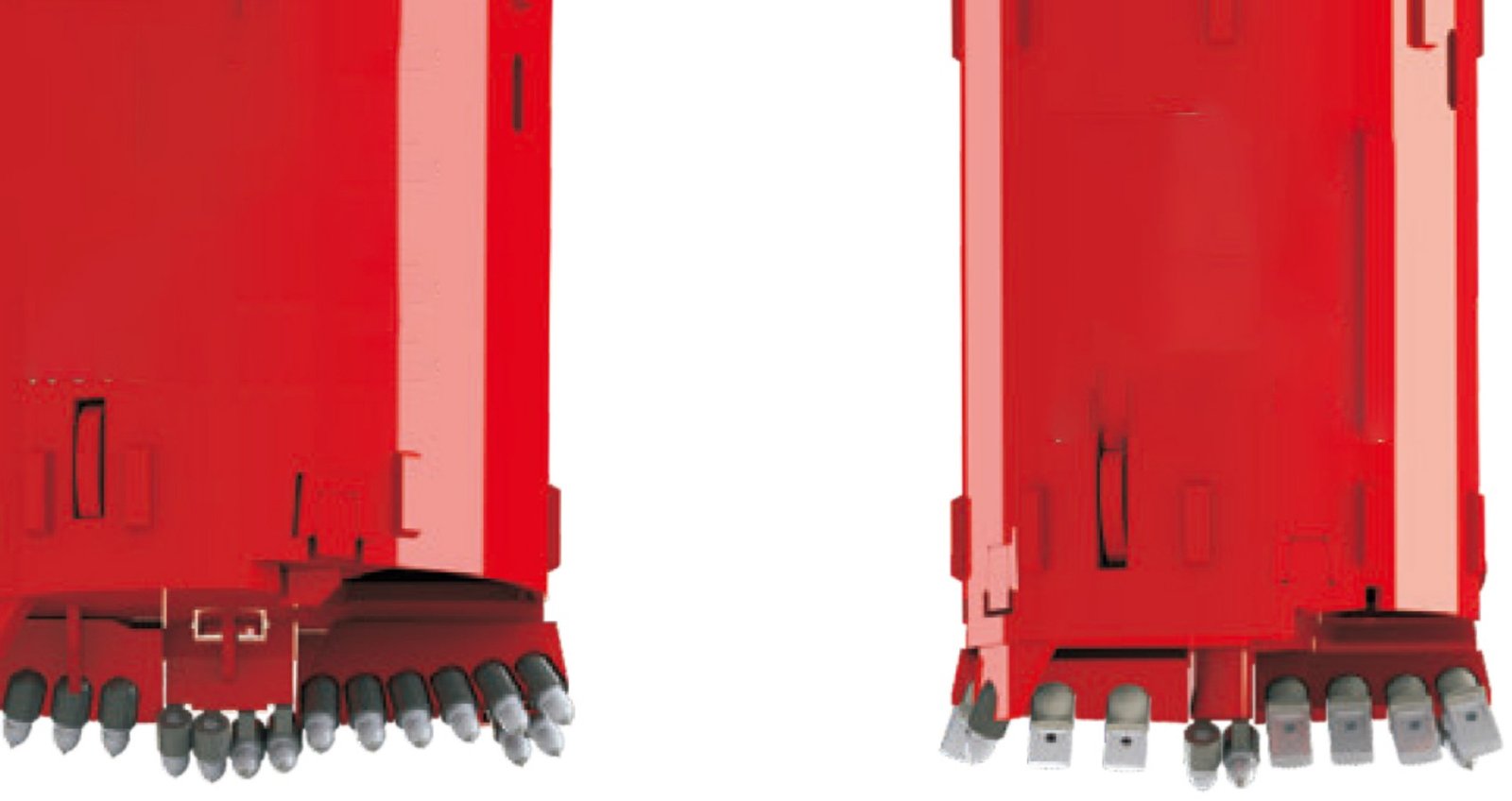
A double bottom drilling bucket carries two overlapping base plates. The upper plate is welded to the barrel and carries the hinge assembly; the lower rotating floor carries the cutting teeth and opens for discharge (source: drilling bucket technical guide, 2026). Because the two plates seal by overlap rather than butt contact, they keep sealing as they wear — which is why double-bottom buckets dominate sand, gravel and mixed formations. They hold fine wet sand that falls straight through a worn single flap (source: foundation drilling contractor technical bulletin, 2026).
The second base plate also stiffens the whole cutting base, which matters above roughly 1500 mm diameter where a single plate can flex under load. Typical factory practice is a fixed bottom around 40 mm thick and a rotating floor around 50 mm, inside a barrel shell of 16 to 30 mm depending on diameter (source: drilling tool manufacturer specification guide, 2026). The trade-offs are real: higher purchase price, more weight on the Kelly bar, and hinge pins and latches that need greasing every 8 to 10 operating hours — shortened in wet, sandy or abrasive ground (source: drilling bucket maintenance guidance, 2026). In high-production work the faster cycle usually repays the premium.
Single-open vs double-open: choosing the opening ratio
Within double-bottom buckets you must also choose how much of the floor actually opens. A double-bottom single-open bucket keeps one plate fixed as reinforcement and seal, and dumps through a moderate opening — typical opening ratios run 30 to 40 percent of the floor area. A double-open bucket swings both plates and reaches 45 to 60 percent, the fastest unloading and the best resistance to clogging in sticky or water-bearing spoil (source: drilling bucket technical guide, 2026).
A contractor on a Middle East high-rise foundation fought loose, water-bearing sand over the pile toe: his single-bottom bucket lost spoil on every lift and the single gate packed with wet sand and took forever to discharge. After switching to a double bottom with a larger opening ratio, cycle times dropped and the crew stopped washing sediment back into the borehole (source: drilling bucket technical guide, 2026). A similar crew in Southeast Asia, stalling in dense sand, cut cycle time by nearly one third after moving to a larger-opening double bottom and finished the pile cap three days early (source: drilling bucket selection guide, 2026). Choose single-open when discharge control and sealing matter more than dumping speed; choose double-open when production rate rules and the ground is loose, wet or prone to clogging.
| Formation | Recommended base | Why |
|---|---|---|
| Soft to stiff clay | Single bottom, large inlet | Fast cycles, spoil holds itself on the lift |
| Loose to dense sand | Double bottom + pilot | Captures fine spoil, controls deviation |
| Sand + gravel, desert alluvium | Reinforced double bottom, sacrificial wear plate over load plate | Abrasion plus capture; roughly twice the interval between rebuilds |
| Weak rock below sand | Double bottom rock bucket | Mixed cutting: bullet teeth plus abrasion plate |
| Water-bearing strata, below water table | Double bottom, double open | Largest opening, best anti-clogging, fastest unloading |
(source: foundation drilling contractor technical bulletin and drilling bucket technical guide, 2026)
Measure the gate before you pay
Bucket buyers routinely check diameter, shell thickness and tooth type, then accept whatever gate comes with the tool. Add these checks to your pre-order review:
- Overlap width on the drawing. The overlap between fixed and rotating plates is the seal. Ask the supplier to state it and to state how much overlap remains at half-wear of the plates.
- Plate thickness by zone. Fixed bottom and rotating floor should be specified separately — around 40 and 50 mm is common factory practice — not lumped into one “bottom plate” line (source: drilling tool manufacturer specification guide, 2026).
- Opening ratio and gate count. Get the number in writing. It predicts discharge speed in your worst formation more directly than any catalog photo.
- Hinge pins and bushings. They should be replaceable without cutting, and grease points must be reachable with the bucket on the ground. Greasing every 8 to 10 hours is the standard field interval (source: drilling bucket maintenance guidance, 2026).
- Latch and stop blocks. The latch releases the gate every cycle; a worn stop lets the rotating floor creep open during lift. Ask how the parts are protected from spoil abrasion.
- Ventilation pipe. Missing or crushed vent pipes cause vacuum lock in sticky spoil — the bucket lifts but will not dump (source: drilling tool manufacturer specification guide, 2026).
What a wrong gate costs per pile
Put numbers on it before you choose the cheaper option. In sandy ground, a worn single flap can strip 30 to 50 percent off effective spoil per cycle — which flows straight into extra lifts per pile, extra rig hours and extra fuel (source: foundation drilling contractor technical bulletin, 2026). The same bulletin’s rule of thumb: switching the base design usually costs less than one week of lost production. And when the gate packs with wet spoil, the discharge half of the cycle slows down even while everything else runs perfectly.
The reverse is also true. Over-speccing a double bottom for a pure clay site buys hinge maintenance and weight you never needed. The tool is right when it matches the ground, not when it is the most expensive one on the row.
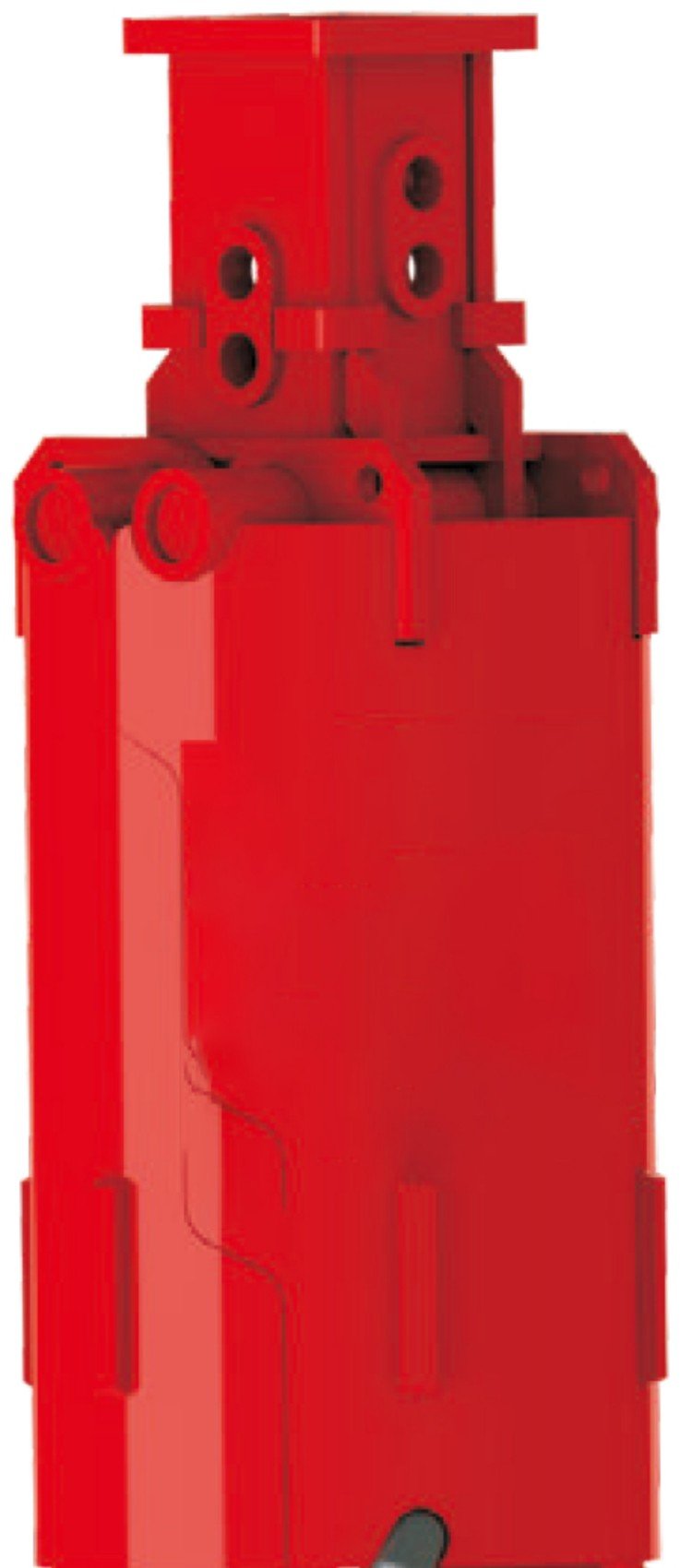
RFQ checklist for drilling bucket gates
- Pile diameter range and kelly box size (200, 150, 130 or 100 mm are standard — confirm against your rig before quoting, most suppliers can machine to match, source: drilling tool manufacturer specification guide, 2026).
- Formation profile to design depth, including water table and any sand-gravel layers over rock.
- Base type: single bottom, double bottom single open, double bottom double open, or open frame.
- Opening ratio, and overlap width at new and at half-wear.
- Fixed and rotating plate thicknesses, barrel shell thickness, and wear strip locations.
- Cutting tools: flat teeth for soil, bullet teeth with holders for mixed and rock — matched to formation strength, plus a spares list covering teeth, pins and latch parts.
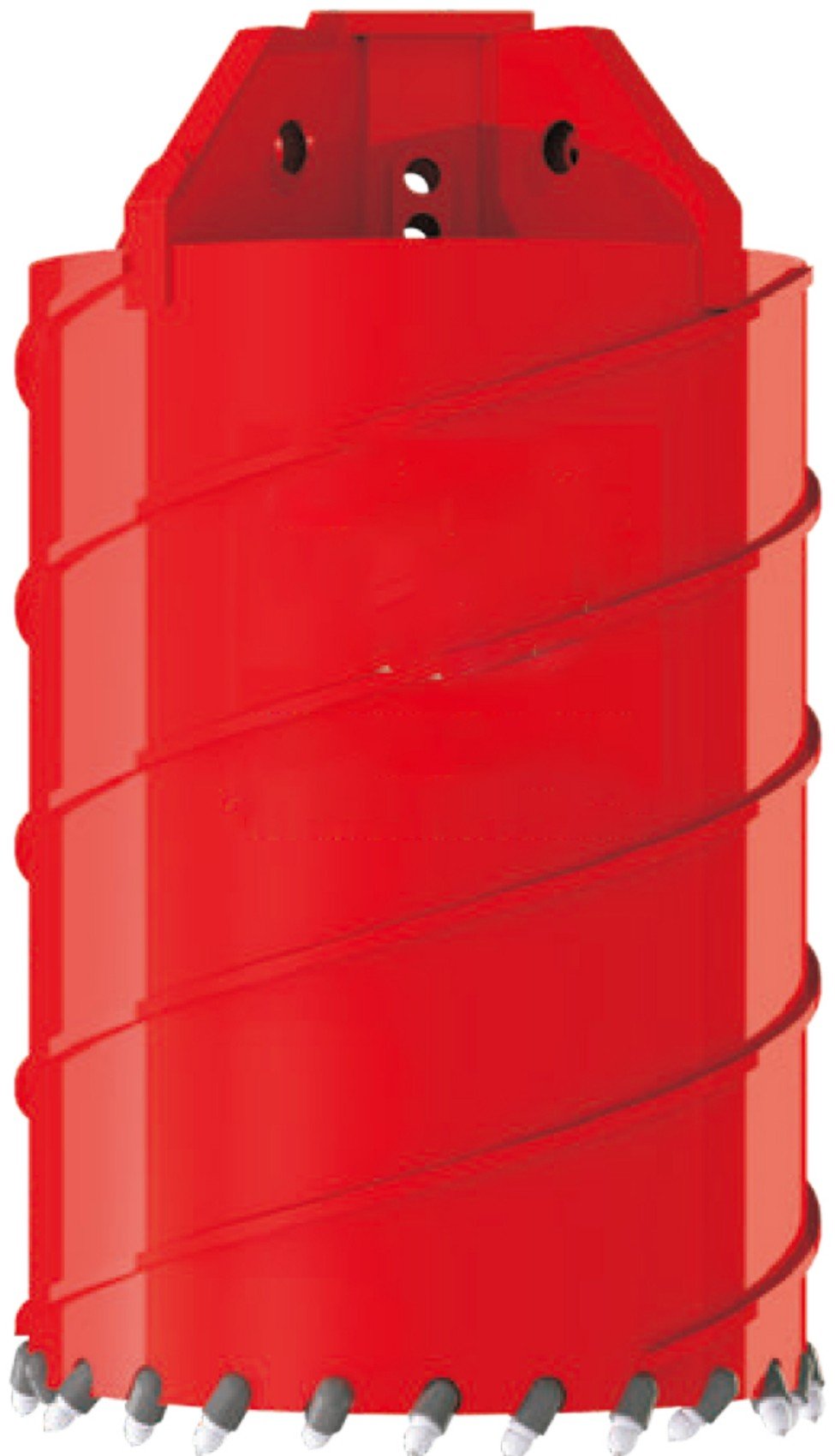
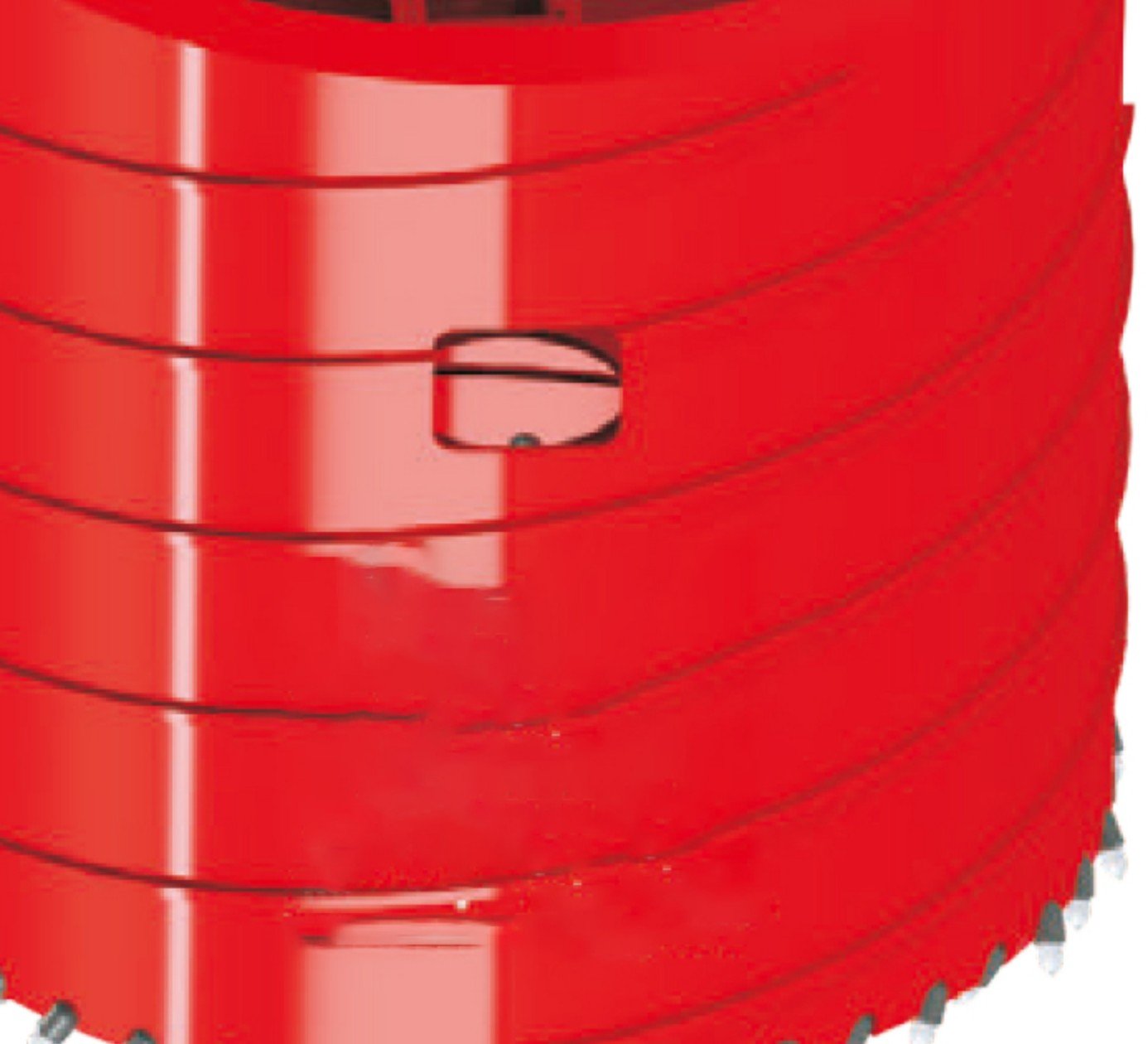
The takeaway for buyers at bauma CHINA
If you are walking the halls between November 24 and 27, shortlist drilling-bucket suppliers by base design conversation, not by the biggest bucket on the stand. Ask each one the same three questions: what overlap width do you guarantee, what opening ratio do you recommend for my formation, and what does the hinge service schedule look like? Suppliers who answer with numbers are the ones whose buckets will still seal six months in.
Siderwin (Hunan Siderwin Construction Machinery Co., Ltd.) manufactures rotary drilling buckets, core barrels, augers and bullet teeth in an 80,000 m² facility in Liuyang with laser cutting, robotic welding and in-house heat treatment, supplying OEM programs and exporters in 20-plus countries. For bottom-gate drawings, opening-ratio recommendations matched to your formation profile, or a quotation:
Email: info@siderwin.com | WhatsApp: +86 181 4265 7536 | Web: www.siderwin.com