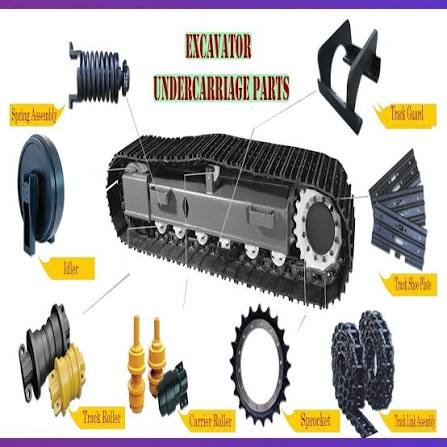
A leaking or damaged roller can be easy to notice. Uneven running-surface wear is less obvious. If we order parts before checking the condition, we may miss a wider undercarriage problem.
We inspect excavator track roller wear by identifying each roller position, cleaning the visible surfaces, recording damage and leakage, and comparing measurements with the correct service limits. We also inspect the track links and mounting area before choosing replacement parts.
At Siderwin, we supply rollers and other undercarriage components. We use inspection information to make a replacement enquiry more precise. We do not judge remaining life from a photograph alone. This guide explains how we organise the findings before a buyer requests a quotation.
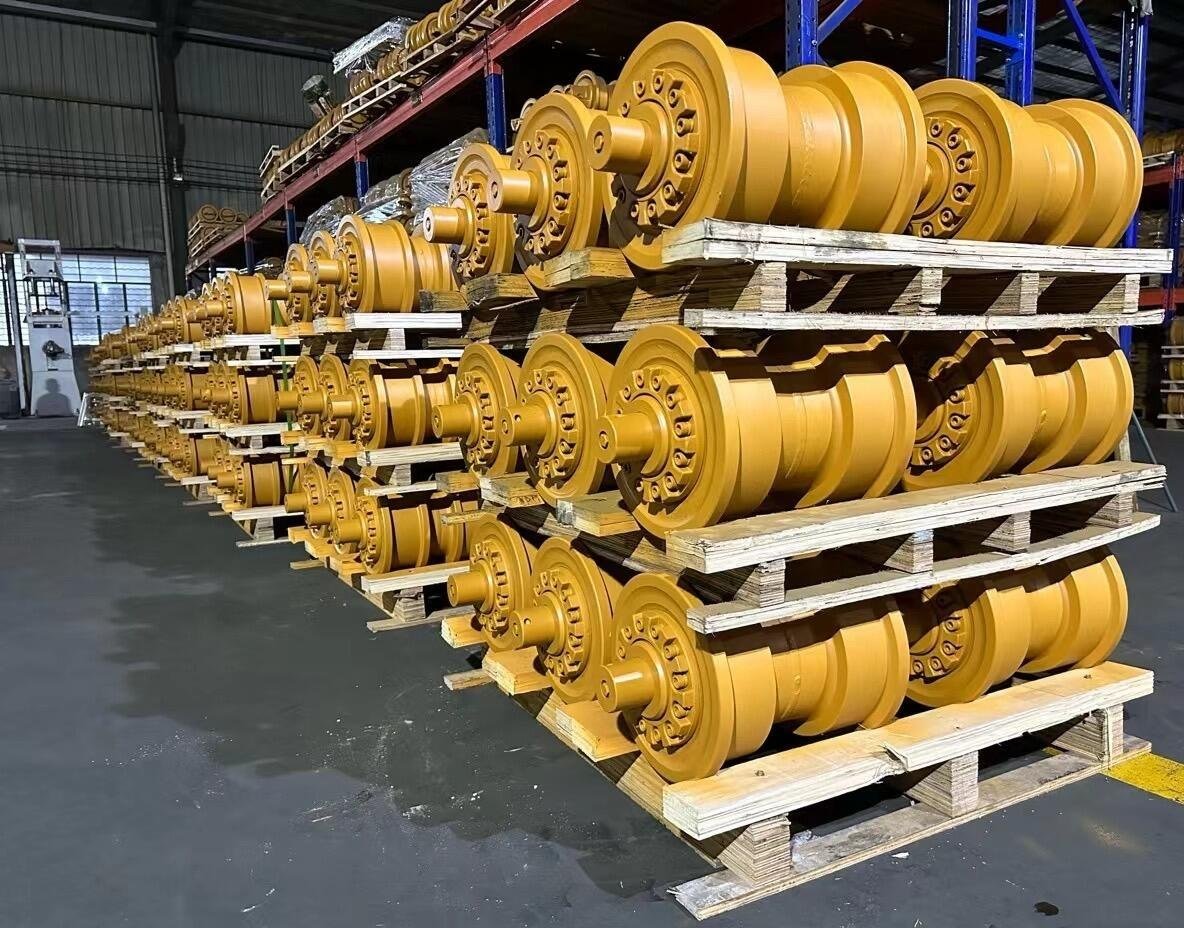
Identify the roller design and its installed position before planning replacement.
Why Do We Check More Than the Roller Surface?
A track roller works inside a system. The condition of the contacting track links and the mounting position matters alongside the roller itself.
We check the roller and its surroundings because similar symptoms can have different causes. We assess the running surfaces, flanges, seals and mounting area, then compare the findings with the track condition and maintenance history.
Separate the symptom from the cause
An operator may report unusual noise, vibration or poor track movement. Those observations are useful, but they do not identify a failed roller by themselves. We need an inspection before deciding what to buy.
We ask when the symptom occurs. The operator can describe whether it appears during straight travel, turning or a particular working condition. We add that description to the report without presenting it as a confirmed diagnosis.
We then ask a qualified technician to assess the affected area. We do not encourage a buyer to replace several parts simply because the track sounds different. Inspection should define the repair scope.
Distinguish bottom rollers from carrier rollers
Bottom rollers support and guide the lower track run. Carrier rollers support the upper run where the machine design includes them. The two positions require different identification and inspection references.
We record the actual fitted arrangement. We do not assume every excavator has the same number of rollers or uses one identical design at every position. Flange patterns and mounting details can differ within an undercarriage.
How Do We Prepare a Useful Roller Inspection Record?
A location-based record makes findings easier to compare. It also helps purchasing staff understand exactly which component needs attention.
We record the machine identity, operating hours, roller position, photographs and inspection date. We use the same position labels and measurement method at each inspection so that changes can be compared reliably.
Prepare the machine safely
We follow the machine's maintenance instructions and the site's isolation procedure. We control unexpected movement and stored energy. We use approved support arrangements whenever the inspection requires equipment to be raised.
We keep people clear of moving tracks and pinch points. A technician must not reach into the undercarriage while the track moves. Any operational check needs a controlled procedure with personnel outside the danger area.
This article is a planning guide. It does not provide a lifting method, a track-removal procedure or instructions for releasing an adjuster. Those tasks require the applicable manual and trained personnel.
Give each roller a clear location
We label the left and right sides. We count roller positions from a defined end and state that reference in the report. A description such as “left side, second bottom roller from the idler” is easier to act on than “bad roller.”
We take a side-view photograph and a closer view of the issue. We include the part marking when readable. We keep the date and operating hours with the photographs so that images from different inspections do not become mixed.
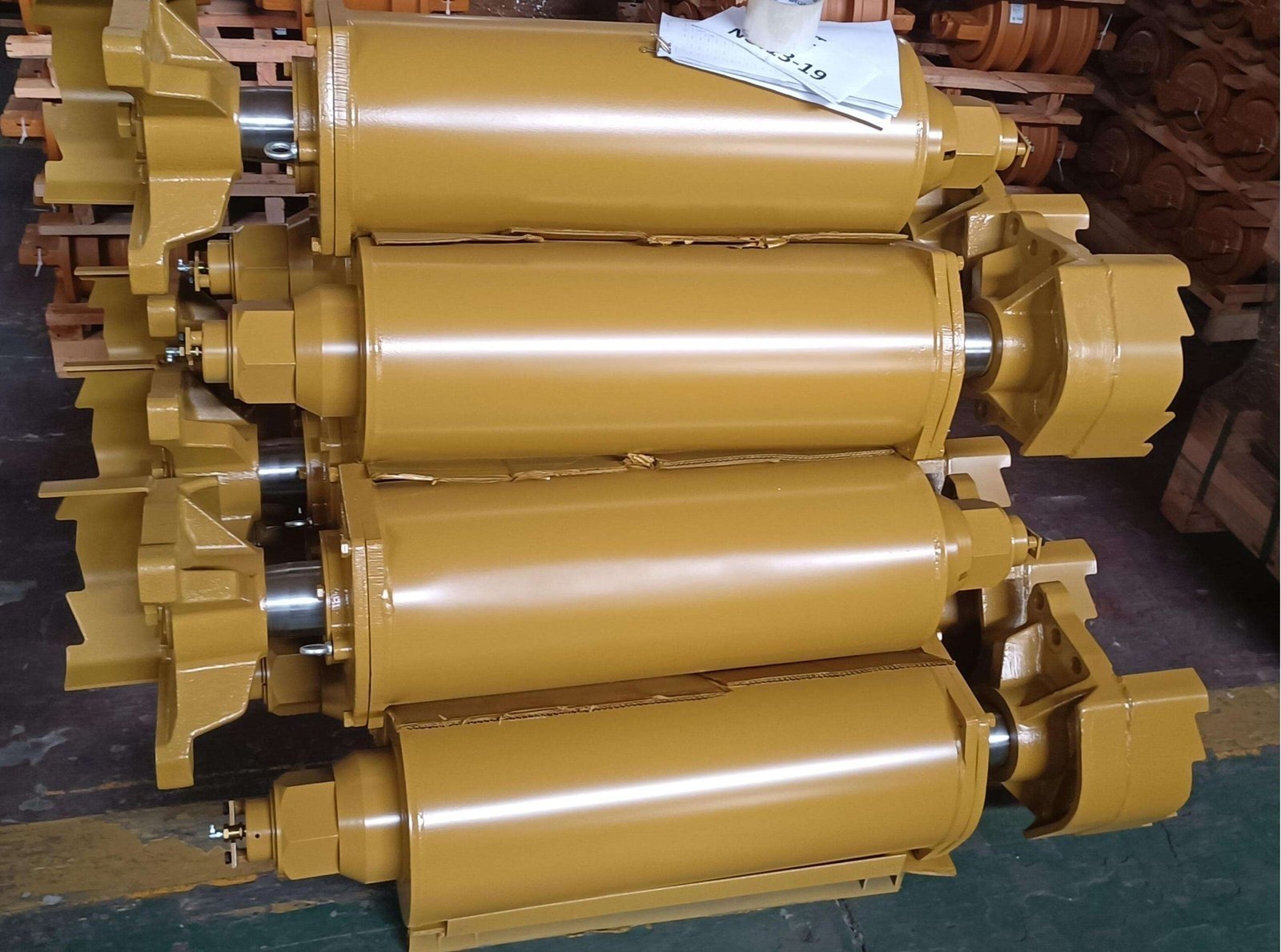
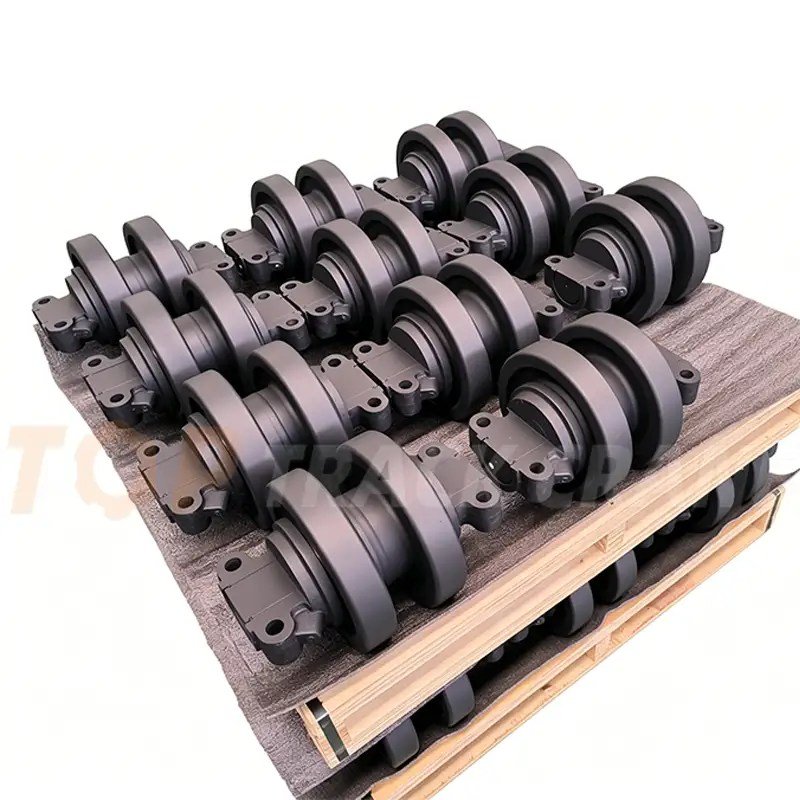
New roller running surfaces shown for product context; service limits require the correct reference.
Which Visible Signs of Track Roller Wear Should We Record?
A clean view helps us separate wear from packed dirt. We examine accessible areas without dismantling parts beyond the approved inspection scope.
We record uneven tread wear, grooves, damaged flanges, cracks, apparent leakage and mounting defects. We describe the location and extent of each finding, then obtain a technical assessment instead of relying on a universal visual replacement rule.
Look at the running surfaces and flanges
We compare the visible running surfaces across the same roller. We also compare corresponding positions on the opposite side where the configuration is the same. We note a flat area, a pronounced groove or an uneven profile.
We inspect the guiding flanges for visible damage. A flange that looks different from its neighbours deserves closer attention, but we still need the correct reference dimensions. Photographs taken at different angles can make profiles look misleadingly different.
We do not treat paint loss as a service-life measurement. We also do not assume a smooth surface proves the internal assembly is healthy. The record should separate surface appearance from measured condition.
Examine leakage and the mounting area
We record fresh fluid around the roller and its likely origin. Fluid from another component can collect nearby, so we confirm the source before calling it a roller seal leak.
We check for missing hardware, visible movement at the mounting area and damage to the supporting structure. We follow the manufacturer's instructions for checking fasteners. We do not apply a generic tightening torque.
A suspected crack, loose mounting or roller that appears not to rotate needs prompt technical assessment. We do not recommend continued operation merely because the machine still travels.
How Do We Measure Wear Without Guessing a Limit?
Measurements are only useful when we know what they represent. Different roller designs may require different tools and reference points.
We use the inspection method, dimensions and service limits specified for the fitted undercarriage. We record raw measurements and the reference document. We calculate wear percentages only when the correct new and limiting dimensions are available.
Use the correct measurement reference
We confirm the part family before measuring. We check whether the method calls for a diameter, a profile measurement or another assessment. We use the specified tool and avoid measuring over dirt or an unrelated feature.
We record the tool, measurement point and result. If a surface is worn unevenly, we follow the prescribed approach rather than choosing the most convenient reading. A qualified undercarriage specialist can help when access or geometry makes the measurement uncertain.
We do not compare one model's roller reading with another model's limit. A numerical difference has no clear meaning without the correct design reference.
Keep uncertainty visible
If the original part reference cannot be established, we mark the assessment as incomplete. We ask for a drawing, confirmed identification or a specialist inspection. We do not convert an uncertain dimension into a confident replacement recommendation.
| Inspection entry | What we record | Why we keep it |
|---|---|---|
| Machine and serial information | Exact equipment identity | Helps locate the applicable references |
| Roller position | Side and position from a stated end | Prevents confusion between components |
| Measurement method | Tool and reference points | Allows repeatable comparisons |
| Result | Raw dimension and date | Preserves the original evidence |
| Acceptance reference | Applicable drawing or service instruction | Explains the decision basis |
| Unresolved issue | Missing identification or restricted access | Prevents an assumption becoming a purchase |
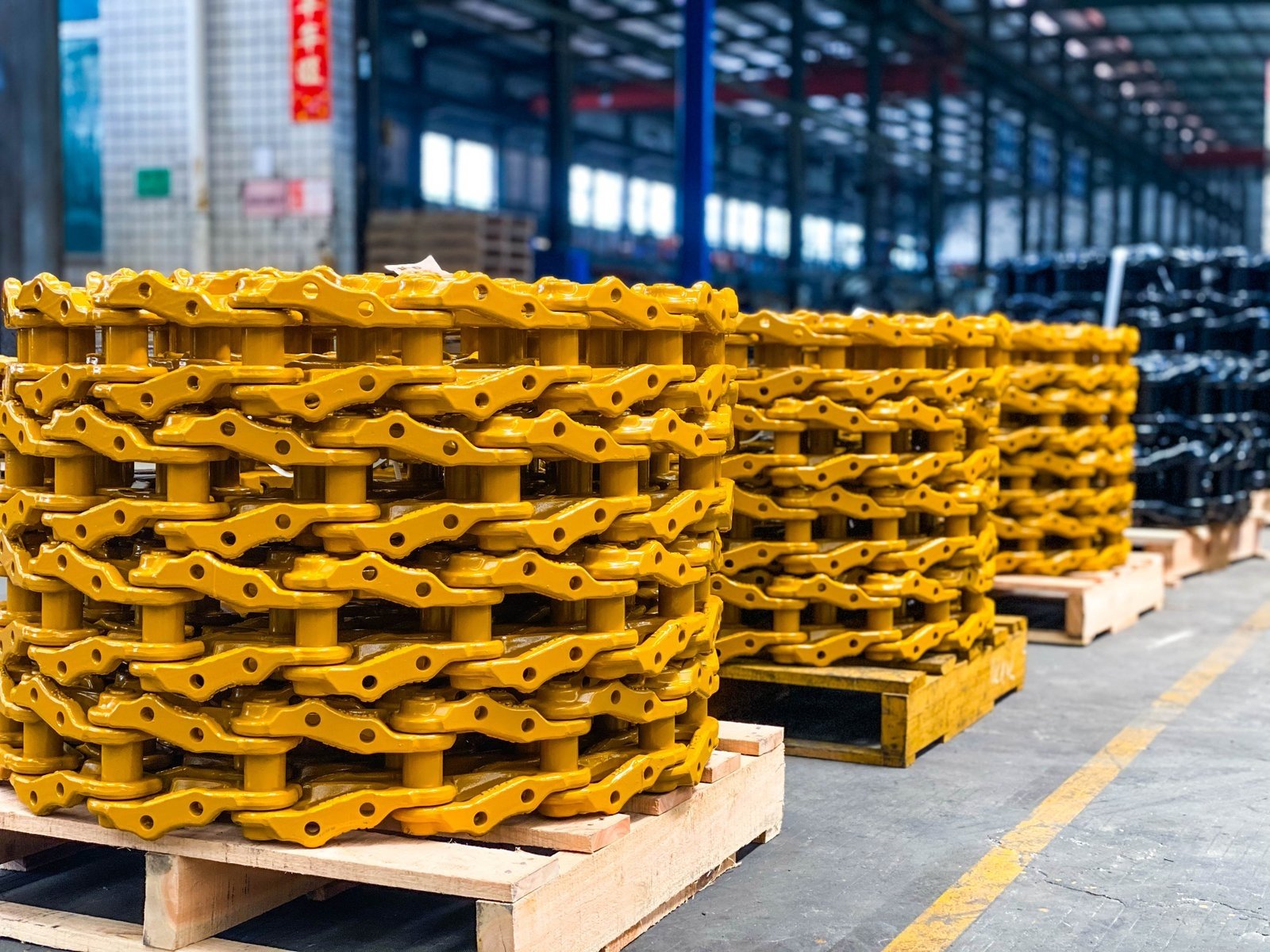
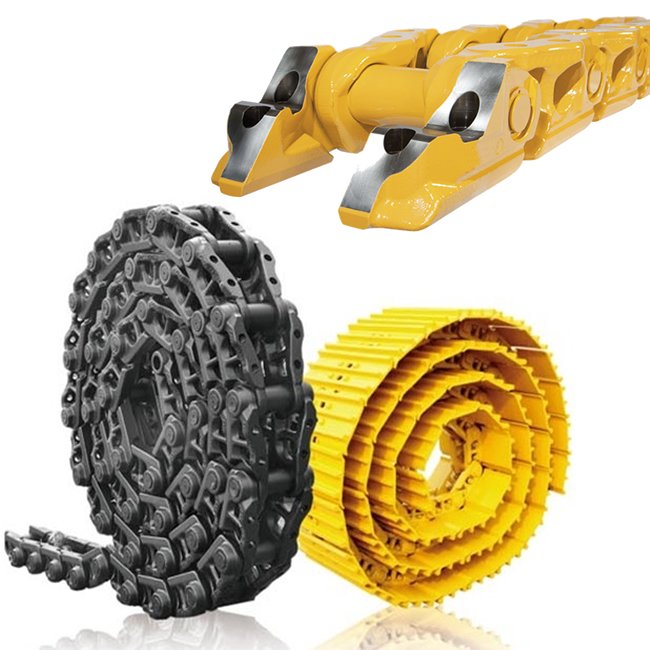
Track links form part of the contact system assessed alongside the rollers.
Why Do We Inspect the Track Links and Nearby Components?
Replacing a roller does not remove wear elsewhere. We need to understand the surfaces that will run against the new component.
We inspect the contacting link rails, nearby rollers, guides and track condition before approving a replacement. We also check tension and alignment through the correct machine procedure when the wear pattern suggests a wider issue.
Check the contact system
We look for corresponding wear on the track-link running surfaces. We note whether the problem is concentrated at one roller position or appears across several components. That distinction helps a technician decide what needs further measurement.
We consider the idlers and sprockets as part of the overall assessment. We do not add them to an order automatically. Each replacement needs a documented reason based on condition and the applicable repair plan.
Track shoes also provide useful context. We record the fitted shoe configuration and obvious damage. We leave any recommendation to change shoe width to a machine-specific application assessment.
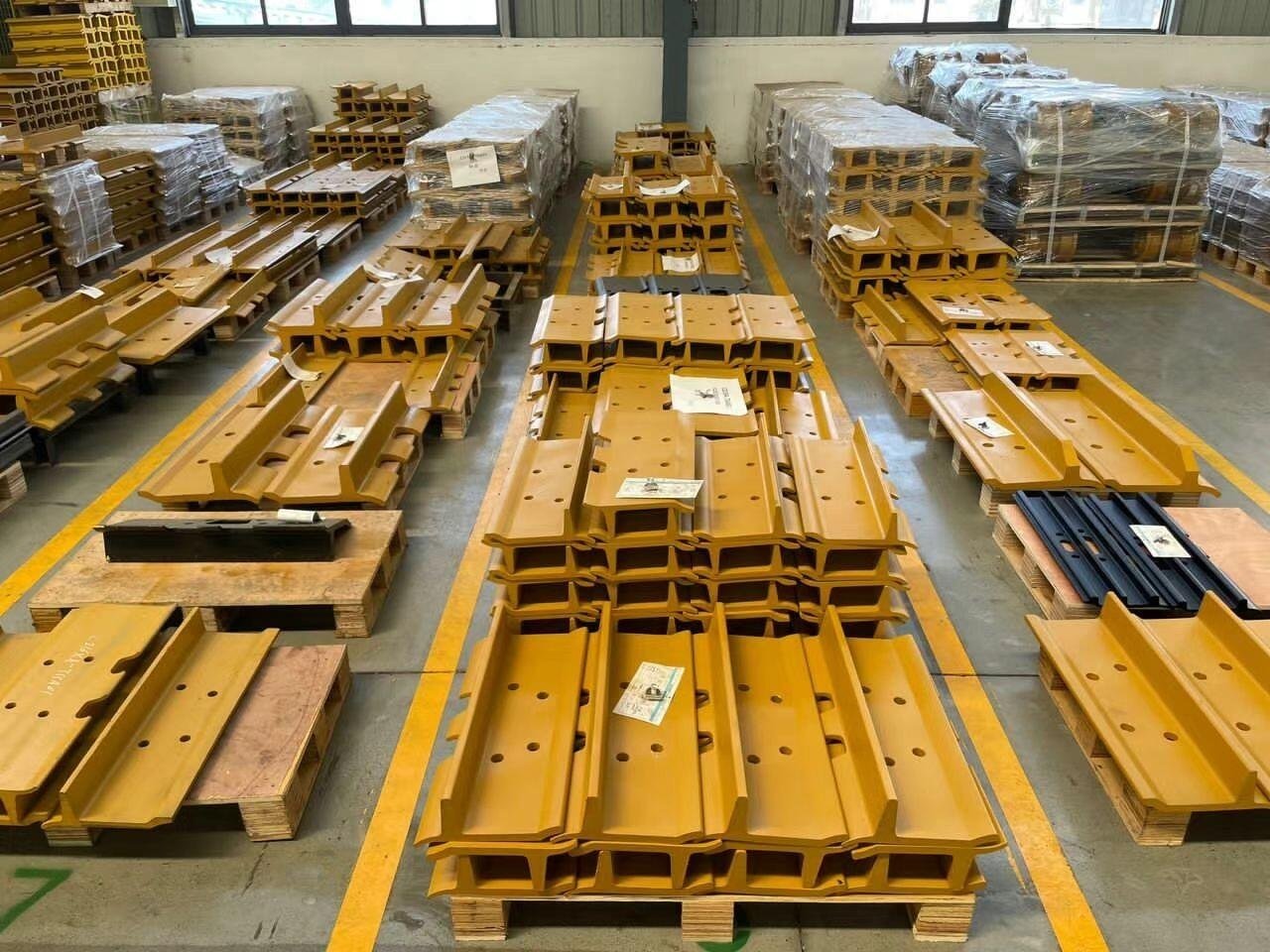
Record the fitted track-shoe configuration as part of the undercarriage assessment.
Verify tension through the proper procedure
We use the specified track-tension method for the machine and track type. We do not publish one sag value for all excavators. Positioning, preparation and measurement locations can vary.
We do not improvise a procedure for releasing tension. Track adjusters can contain stored energy, and a grease fitting is not a general maintenance shortcut. A trained technician should perform adjustment according to the manual.
Cleaning and sensible operation belong in the maintenance plan, but they cannot restore a component that has exceeded its service limits.
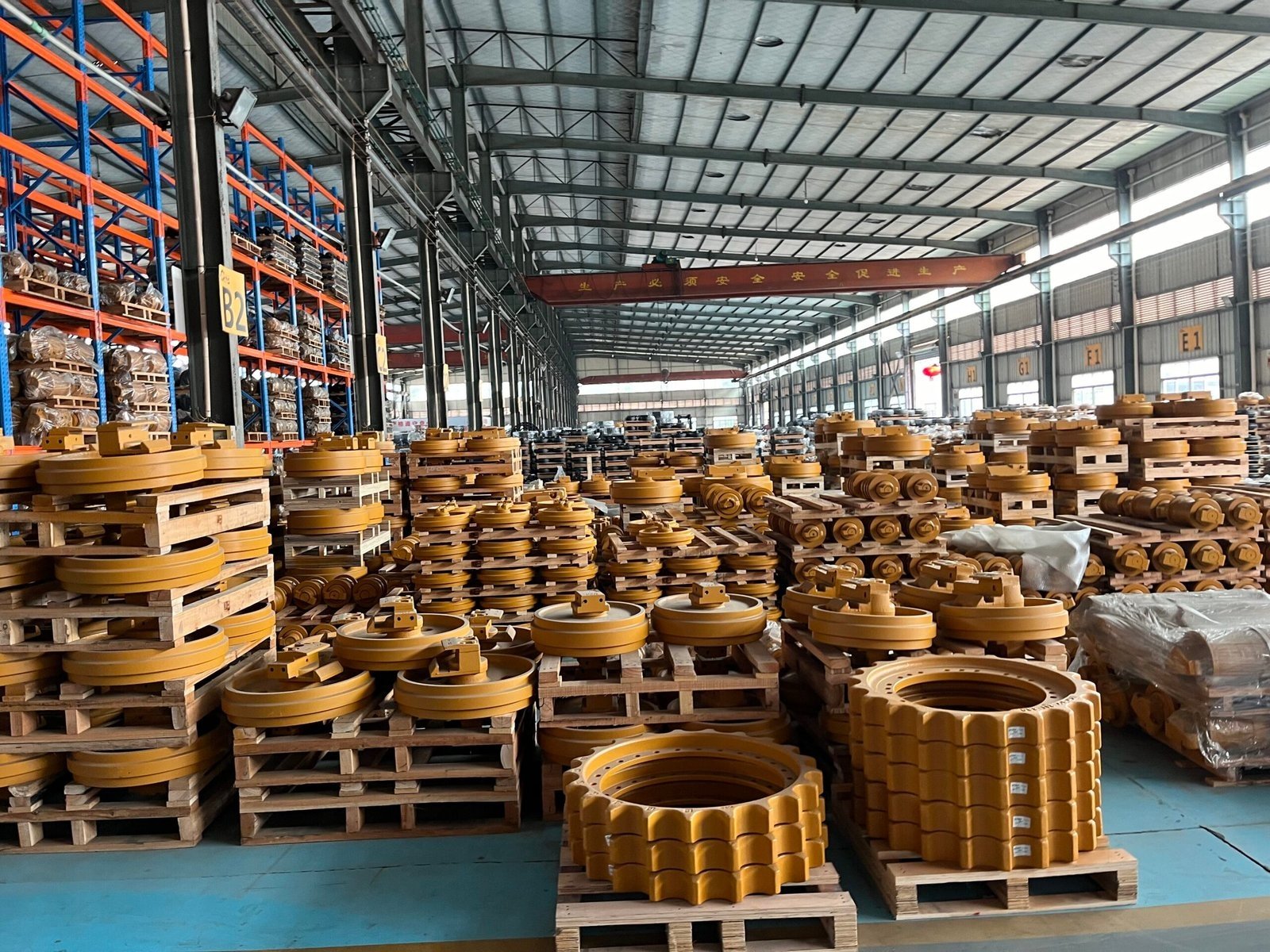
A coordinated repair plan considers related components without replacing them automatically.
Should We Replace One Roller or Several?
The right quantity comes from the inspection. Neither the cheapest single-part order nor an automatic complete set is always appropriate.
We choose the replacement scope from individual roller findings and the condition of the whole undercarriage. One damaged component may need a local repair, while widespread wear may require a coordinated plan supported by measurements.
Assess each position
We list which rollers need replacement, which remain serviceable and which need further assessment. We keep uncertain entries separate. This gives the purchasing team a clear quantity without hiding unresolved inspection work.
We also check the intended repair date and the machine's availability. A larger planned repair may have different delivery needs from an urgent replacement. We discuss those needs without promising an unverified lead time.
Compare the complete repair scope
We ask what is included in each quotation. The offer should identify the roller assembly and any specified mounting hardware. We confirm whether transport, installation and related work are included or handled separately.
We do not claim a guaranteed service life based on a price difference. Material specifications, documented manufacturing requirements and the actual application deserve consideration alongside cost. We confirm any warranty terms in the quotation rather than assuming that every part has the same coverage.
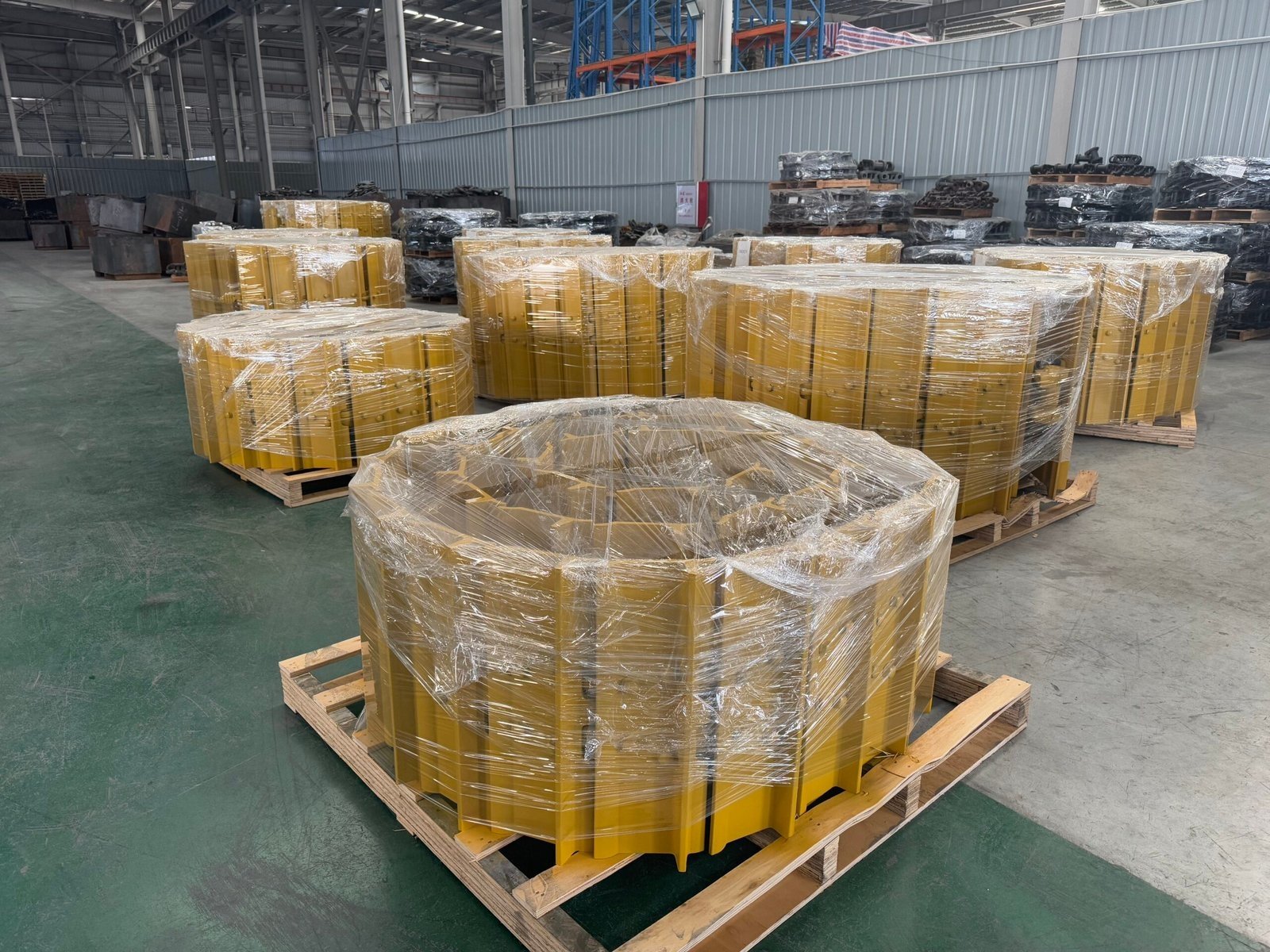
Confirm the supply scope and packaging with the quotation for any related components.
What Do We Need Before Quoting Replacement Track Rollers?
A detailed inspection report can become a useful enquiry. We combine the condition findings with the information needed to identify the correct part.
We need the machine identity, roller reference, position, mounting details, quantities and working conditions. When a part number is unavailable, we ask for clear photographs and the dimensions needed to confirm fit.
Identify the assembly actually fitted
We ask for the excavator model and serial information. We also ask whether the undercarriage has been modified or replaced. The machine label is a starting point, but the installed component may need separate confirmation.
We check the mounting centres, fastener details, roller profile and other dimensions required by the drawing. We distinguish identification dimensions from wear measurements. A worn running diameter alone cannot describe the original replacement specification.
We ask buyers to send photographs with enough context to show the component and mounting arrangement. We do not confirm interchangeability from colour, approximate size or a distant side view.
Explain the application and order requirements
We ask about the material, terrain, travel pattern and reported issue. We also need the required quantity, delivery destination and preferred repair timing. These details help us clarify the offer and any technical questions.
For repeat orders, we recommend an approved parts list for each undercarriage configuration. We update that list after a verified change. A clear record can reduce confusion when several machines share a similar model name.
At Siderwin, we can review your roller enquiry alongside related track-chain, idler and sprocket requirements. Send the inspection findings and part information before ordering. We can then clarify the proposed supply scope and the points that still need confirmation.
Conclusion
We inspect, measure and identify before ordering. A clear position-based record helps us match replacement rollers and keep unresolved undercarriage issues visible in the repair plan.