Bucket Tooth Locking Systems: Pin, Flexpin or Hammerless?
A bucket tooth that leaves the bucket is not a wear item reaching the end of its life. It is a maintenance event with a bill attached, and the bill is rarely for the tooth. At a copper operation in Chile, detached teeth cost an average of 51 hours of primary crusher downtime a year; at USD 25,000 an hour that is more than USD 1.25 million annually, for parts that cost less than a tank of diesel each (source: Streamax mining case data). One tooth through a crusher can mean cracked mantles, an emergency liner change and a six-figure repair (source: Heavy Vehicle Inspection).
The lock that was supposed to prevent that costs a few dollars. Buyers still spend weeks comparing tooth price per kilogram and five minutes choosing the locking system. This guide covers the four families on the market, the numbers a pin has to meet, what each field failure tells you, and when hammerless pays for itself.
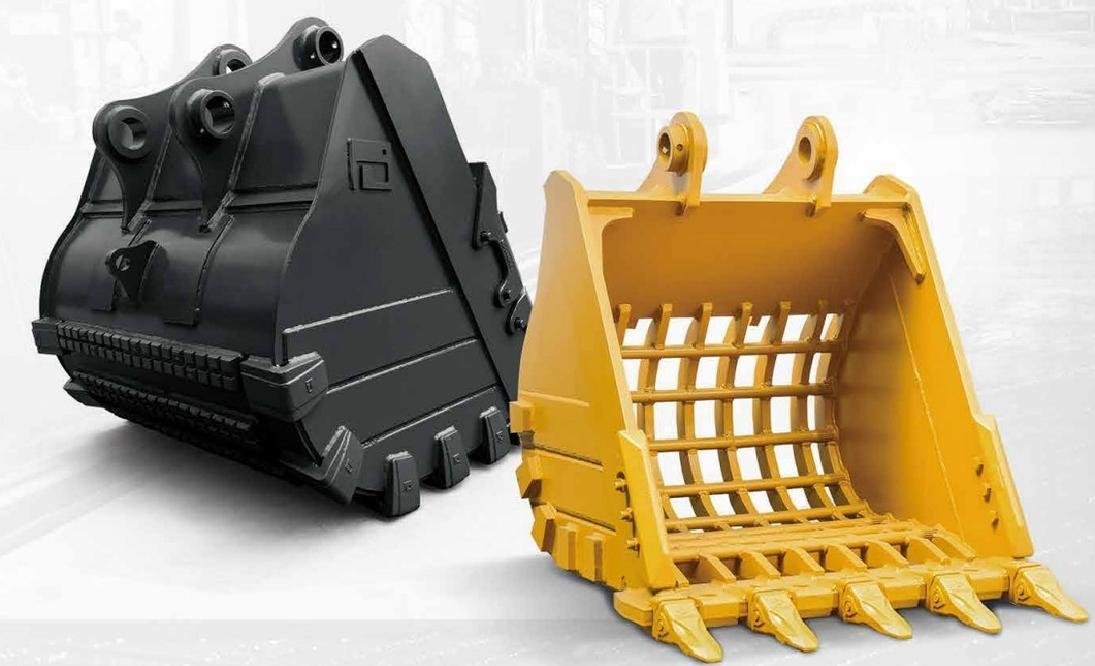
A Cheap Lock, an Expensive Failure
Wear moves through a bucket in three stages and the cost jumps roughly tenfold at each one. The point wears out first, which is what it is designed to do. Run it past the threshold and the adapter nose takes the abrasion instead. Run the nose past its limit and the wear reaches the lip and the shell, at which point a USD 40 decision has become a USD 4,000 to 40,000 structure repair (source: Heavy Vehicle Inspection).
Detection is the second problem. Manual inspection of a working bucket runs at about 70 percent detection in the best hour of a shift and falls to roughly 42 percent by the end of the day: the operator is watching the digging face, the truck and the wall, not eight tooth pockets in a 40-second cycle (source: Streamax). A lock that depends on somebody noticing a missing tooth is not a lock.
Demand makes the mistake more expensive in 2026. Weir reported ESCO aftermarket orders up 14 percent year on year in the third quarter, with group book-to-bill at 1.10, driven by mining ground-engaging tools (source: Weir plc Q3 2026 update). On the supply side, Chinese wear-part makers point to high copper and gold prices, expanding mine capex and a 2008-2012 equipment peak now entering its 15-year replacement window (source: Shanghai Securities News, November 2026).
The Four Locking Families You Will Be Quoted
Horizontal side pin (J-series pattern). The pin passes sideways through the tooth pocket and the adapter nose, held by a retainer. It is the highest-volume system in the world and the cheapest to buy, changed with a hammer and punch in 3 to 10 minutes per point depending on rust and packed material (source: Huayu Construction Machinery).
Vertical top pin. The pin drops through the top of the tooth into the nose, easy to service from above and common on mixed fleets. Straight pins suit compact machines; on 20-tonne class and above, cross-mount pins are preferred because a straight pin can walk out under heavy impact (source: TrueCast Engineering).
Flexpin (elastomer lock). A rubber ring compresses during installation and springs back to hold preload, so the pin stays seated without a machined shoulder. It tolerates some misalignment, installs with hand tools and puts less stress concentration on the retainer (source: Digtech Machinery). The elastomer is the wear item, which is why a stretched ring is a replacement and never a reuse.
Rigid or cotterless pin. A machined shoulder and the retainer geometry do the locking, with no elastomer and no spring force. Stronger in high-impact duty, but it needs a cleaner bore and the correct installation direction (source: Digtech Machinery).
Hammerless wrench lock. Pin and collar are locked and released with a socket, a quarter or half turn, no hammering: about two minutes per point on a rope-shovel system (source: Bradken Zenith GET). On a standard J-series adapter, the side-pin hardware can be swapped for a hammerless pin and collar with no modification to the adapter and no hot work (source: Weir ESCO MaxDRP Plus), which is what makes a trial commercially practical.
One rule overrides all of the above: pin systems are not interchangeable. A Komatsu-style pin will not work in a CAT-style adapter, because retainer flange geometry, pin diameter tolerance and hardness specification all differ, and “universal” pins are compromise dimensions that fit nothing properly (source: Digtech Machinery).
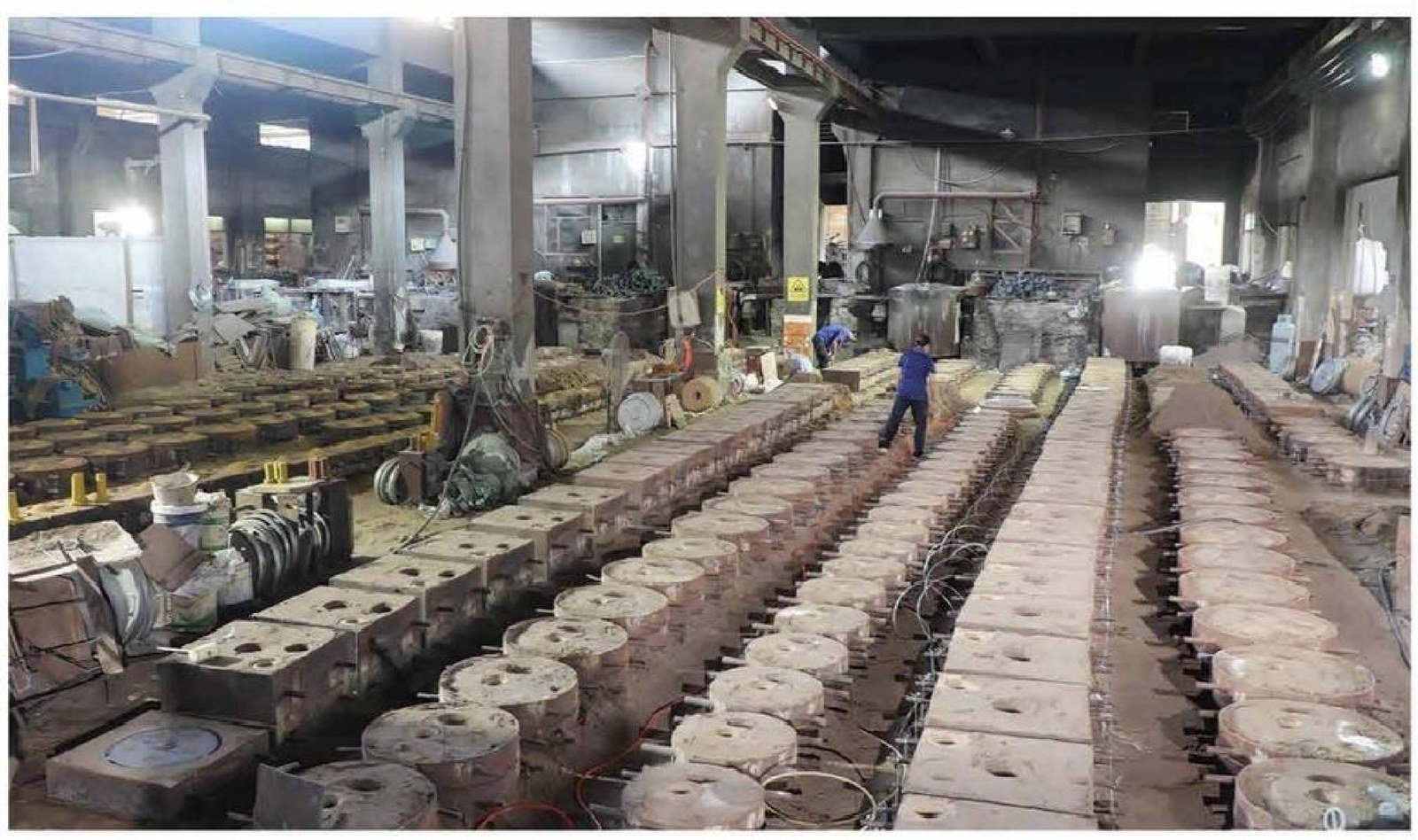
How the Systems Compare
| System | Tools needed | Change time per point | Retention under shock | Lost-tooth risk | Where it fits |
|---|---|---|---|---|---|
| Horizontal side pin | Hammer, punch, retainer | 3-10 min | Good in normal duty | Moderate; retainer is the weak point | General earthmoving, rental fleets |
| Vertical top pin | Hammer, punch | 3-10 min | Good; cross-mount above 20 t | Higher on large straight-pin machines | Mixed fleets, compact and mid-size |
| Flexpin | Hand tools, drift | 2-5 min | Good; preload resists walk-out | Low, if rings are replaced each change | High-vibration duty, thin maintenance crews |
| Rigid pin | Press or drift, correct direction | 5-10 min | Best mechanical strength | Low if installed correctly | Hard rock, quarry, high-impact buckets |
| Hammerless lock | Socket or wrench | 1-3 min (about 2 min on shovel systems) | High; self-tightening under load | Lowest; no hammer damage to the pin head | Mines, contract crushing, audited sites |
Change-time ranges from published system data and aftermarket specifications (source: Huayu Construction Machinery; Bradken; Weir ESCO). Times exclude travel and bucket positioning.
What a Tooth Pin Actually Has to Be
A tooth pin is a shear and impact member with a hardness window, not a commodity dowel, and the cheap version fails in ways that stay invisible until the tooth is gone. 42CrMo is the specified alloy; 40Cr is the economy substitute, with lower hardenability and fatigue resistance in the same envelope. Hardness should run 38-44 HRC, moving to 40-44 HRC with a minimum 27 J impact value at minus 20 degrees Celsius in high-impact duty, while economy stock frequently tests at 32-36 HRC (source: Digtech Machinery). Induction-hardened pins go further, at 52-58 HRC surface with a 3-8 mm case and a core kept tough enough to absorb shock rather than crack (source: GFM Parts). Diameter and length are held to plus or minus 0.05 mm on a specified pin against 0.1-0.2 mm on economy stock, and the groove or shoulder must sit within plus or minus 0.10 mm or the retainer never engages (source: Digtech Machinery).
Retention torque is the number almost nobody asks for. A typical CAT-style pin should need roughly 200 to 400 Nm to dislodge from the assembled tooth and adapter at as-cast dimensions, and a foundry that has run the test can publish that range on the first-article report (source: STK Mining). If a supplier cannot state it, the pin was never verified as a locking element.
| Parameter | Specified value | What it controls |
|---|---|---|
| Material grade | 42CrMo (40Cr only by agreement) | Fatigue life, hardenability |
| Hardness | 38-44 HRC; 40-44 HRC with 27 J at -20 C for impact duty | Wear versus brittleness |
| Diameter and length | Plus or minus 0.05 mm | Bore fit, pin walk, bore ovality |
| Groove or shoulder | Position and width within plus or minus 0.10 mm | Whether the retainer engages |
| Retention torque | 200-400 Nm, J-series pattern, at as-cast dimensions | Whether the tooth stays on under shock |
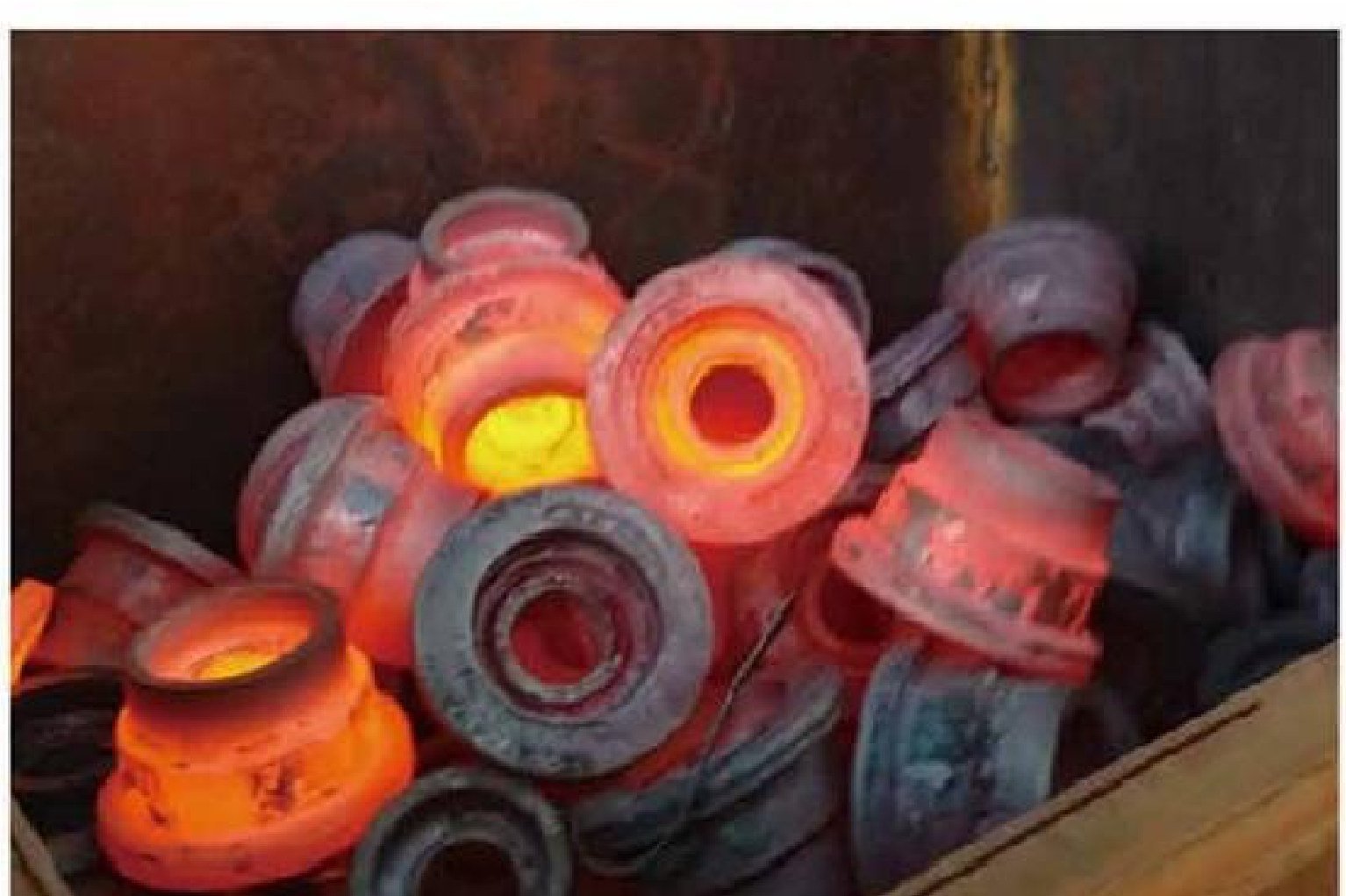
Five Failures, and What Each One Is Telling You
The pin has walked out and the tooth is gone. The retainer lost preload: a stretched ring, a flattened collar, or a pin fitted from the wrong side. Replace the retainer at every tooth change; it is the cheapest part in the assembly and the most common cause of a lost tooth (source: Corbay Parts).
The pin bore is oval. This is not a pin problem. Once the bore has wallowed, the adapter is finished regardless of how much steel is left on its body, and a new pin will simply repeat the failure. Plan the adapter change instead of buying more pins.
The new tooth rocks on the nose. The nose is washed or rounded, so the tooth never seats, and a tooth that wobbles by hand will hammer its pin and open the bore within days (source: Origin Machinery). Keep one unworn tooth as a gauge and push it onto each adapter by hand at every change.
The tooth has cracked at the pin boss. Usually a mismatched taper, a pin of the wrong type or length, or a pin driven in from the wrong direction. Mixing teeth and adapters from different casting sources is the usual root cause, because taper angles differ even when the outside shape looks right (source: TrueCast Engineering).
When Hammerless Pays Back
Do the arithmetic on your own bucket. An eight-point bucket changed with a hammer at 8 minutes a point is 64 minutes of two-person work on a stopped machine; the same set with a wrench lock at 2 minutes a point is 16 minutes with one fitter. Over three change-outs a season across five machines that is roughly 12 machine-hours recovered.
There are two conversion routes with very different risk. The low-risk route keeps the existing adapters: a hammerless pin and collar replaces the side-pin hardware on a J-series adapter with a standard wrench, no adapter modification and no hot work (source: Weir ESCO MaxDRP Plus). The full route replaces the adapter system, cutting off the old adapters and welding new ones, and belongs in a major overhaul rather than a production week (source: You Star Machinery). Adapter mounting style sets that cost: weld-on is 1 to 3 days of cutting, grinding and certified hot work to replace, while bolt-on is 2 to 6 hours with hand tools (source: Konrun Group).
Hammering a seized pin throws metal splinters at velocity and is a documented source of eye and hand injuries and strain, which is why mines with strict audits are standardising on hammerless systems rather than treating them as a productivity upgrade (source: You Star Machinery; Huayu Construction Machinery).
The 60-Second Check at Every Tooth Change
- Retainer present, seated and still springy; replace it, do not refit it.
- Pin head flush with the tooth face, no mushrooming, no bright witness marks.
- Bore round to the eye and to a caliper; ovality past about 2 mm retires the adapter.
- Nose checked with the gauge tooth, not by feel through a fitted tooth.
- Fretting dust or rust staining around the pocket, which means the tooth has been moving.
- Locking hardware recorded by machine and position, so a repeat failure in the same pocket shows up in the data.
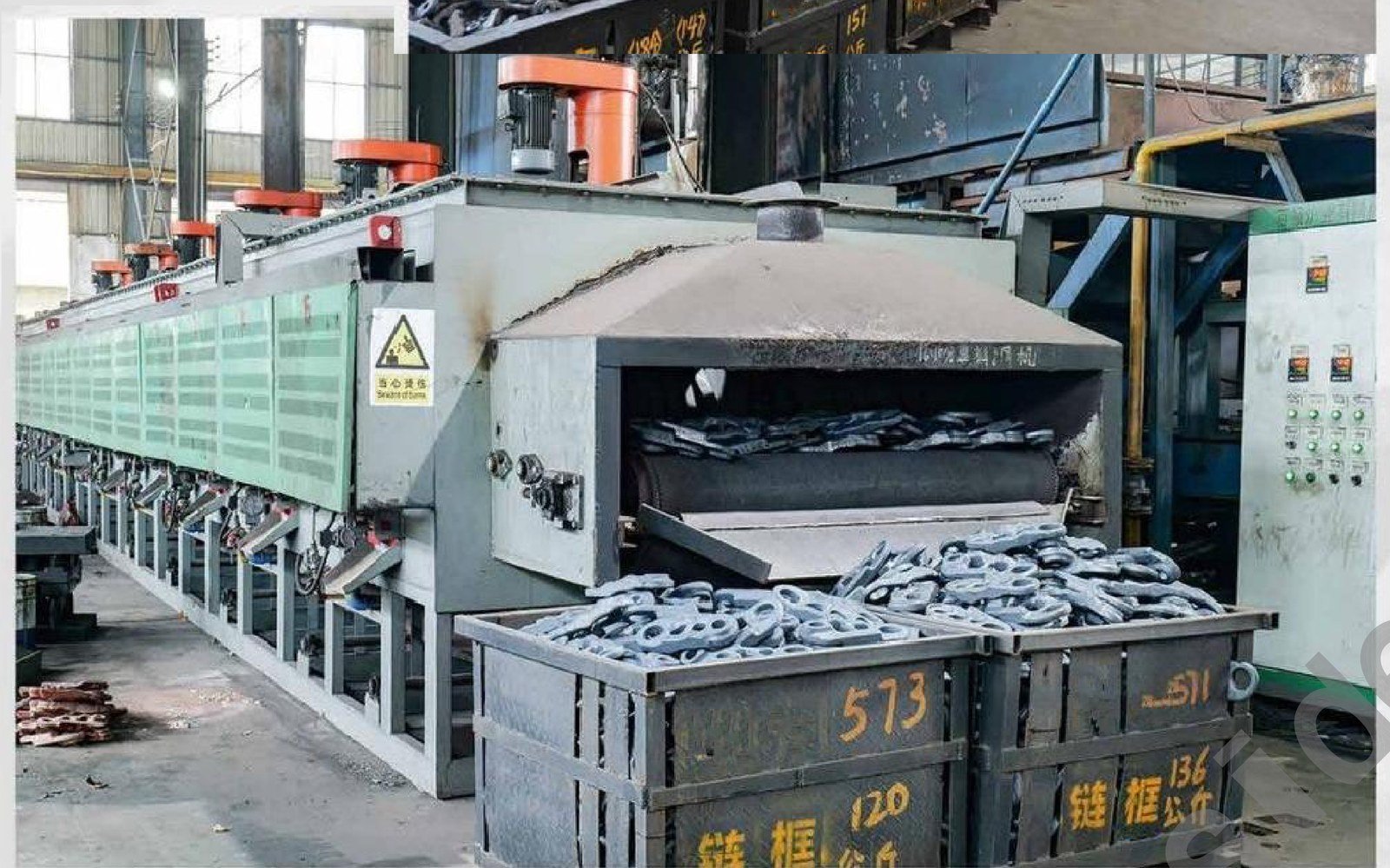
What to Put in the RFQ
A locking system is quoted on six lines, and any line left blank becomes a clarification email three weeks later: tooth system and nose size; pin type and orientation; pin diameter and length with tolerance; material grade with hardness and impact values; retainer type; and the retention torque the supplier can demonstrate.
Siderwin casts and machines bucket teeth, adapters and pin sets in Liuyang, with in-house heat treatment and impact, tensile, hardness and metallographic testing on every production route. Standard catalogue items ship in 0 to 7 days; custom profiles and matched pin sets in 7 to 15 days. Send the machine, the nose size and the duty, and we will quote tooth, adapter and lock as one assembly instead of three part numbers.
info@siderwin.com | +86 181 4265 7536 | www.siderwin.com