Chassis Parts and Bucket Teeth in 2026: What the Wear Parts Market Is Doing Right Now
Published: November 8, 2026 | Hunan Siderwin Construction Machinery Co., Ltd
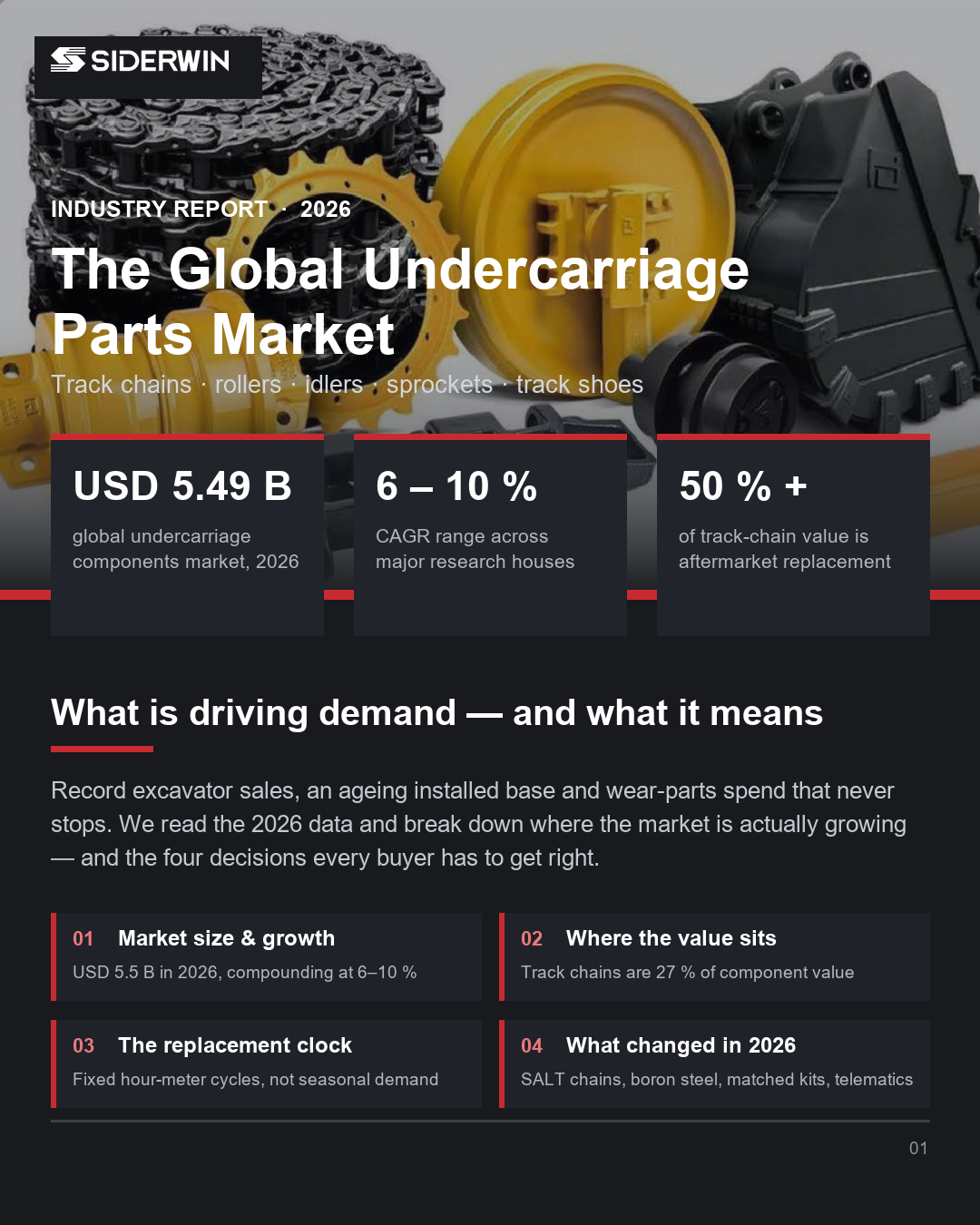
Wear parts do not get a press release. When the oil price moves or a mining group publishes a quarterly result, the industry talks about machines, and the components that actually touch the ground — track chains, rollers, idlers, sprockets, bucket teeth, adapters and cutting edges — get treated as a footnote on someone else’s order form. That is a mistake, because in 2026 the wear parts market is where this industry’s structural shifts are visible.
Three things are true at once right now. Chinese excavator exports have passed domestic sales for the first time on a monthly basis, which means every machine leaving a Chinese factory will need chassis parts and ground engaging tools from a supplier the OEM does not control. Mining aftermarket demand is growing while new-equipment orders soften, because lower-grade ore demands more wear parts per tonne. And the specification floor for aftermarket teeth has moved up faster than most standards have.
News One: Excavator Exports Have Passed Domestic Sales
In September 2026, China Construction Machinery Association members sold 22,717 excavators, up 14.4 percent year on year. Of that, 12,806 went abroad and 9,911 stayed at home — an export share of 56.4 percent (source: China Construction Machinery Association, October 12, 2026). For the first nine months the totals were 214,274 units, up 23.1 percent, with exports growing 30.4 percent against 16.3 percent domestic growth, and exports have posted year-on-year growth for 26 consecutive months (source: The Paper, October 2026). Loaders moved the same way: 117,077 units, up 24.9 percent, exports up 34.2 percent.
The regional detail matters more than the headline. Customs data for January to August 2026 puts Chinese construction machinery exports at USD 46.614 billion, up 20.8 percent. Excavator exports to Africa rose 47 percent and to Latin America 60.7 percent, against 13.9 percent for Asia and 4.2 percent for Europe (source: General Administration of Customs, 2026). Africa is where roughly 75 percent of excavator demand comes from mining, making those markets more wear-parts-intensive per machine sold.
Here is the connection that matters. When a Chinese-built excavator is sold into West Africa or Chile, the OEM’s parts channel does not travel with it. The dealer network for a 20-ton machine in Accra is nothing like the network in Shandong, and within a few years most wear consumption for those machines is served by independent suppliers. That is why a direct-manufacturing relationship with a Chinese factory is now a sourcing strategy rather than a price-shopping exercise.
News Two: Mining Aftermarket Demand Is Growing While Equipment Orders Soften
The clearest read came from Weir plc’s Q3 2026 trading update on November 4, 2026. Group orders rose 8 percent at constant currency to GBP 687 million in the three months to September 30. The split is what matters: aftermarket orders grew 10 percent while original equipment orders rose only 3 percent. Within ESCO, the wear-parts business, original equipment orders fell 24 percent while aftermarket orders grew 14 percent (source: Weir plc Q3 2026 update, November 4, 2026).
The reason is a mining geology story: miners are pushing gold, copper and other critical metals from lower-grade ore, which means more rock handled and more wear per tonne, so more wear parts for the same output. The consumable market grows with tonnage moved, not metal price.
This is showing up in the numbers. The global ground engaging tools market was estimated at USD 4.05 billion in 2025 and is projected to reach USD 5.80 billion by 2032, a 5.5 percent compound annual growth rate, with bucket teeth at 59.9 percent of that value and excavator applications at 53.3 percent (source: PW Consulting). The excavator undercarriage parts market sits separately at USD 7.05 billion in 2025, rising to USD 7.54 billion in 2026 and USD 12.24 billion by 2032, at 8.18 percent (source: Grand View Research).
There is a regional version of the same story: Africa’s construction machinery exports grew 59.1 percent in the 2026 period covered by industry trade data, and Central Asia and the Middle East followed — the regions absorbing machines fastest are also where parts logistics are slowest (source: China Heavy Machinery Industry Association trade data, October 15, 2026). A buyer who waits for a part to fail is paying air freight for something that could have shipped by sea.
News Three: The Aftermarket Specification Floor Has Moved Up
The most commercially important development of 2026 is not a volume number. It is that the baseline specification for aftermarket ground engaging tools has tightened, faster than most standards have been revised. The new baselines written into buyer purchase orders are 48 to 52 HRC hardness across rock tooth and chisel segments, a minimum tensile strength of 1,400 N/mm², and a minimum impact toughness of 20 J (source: Join Machinery, 2026 aftermarket outlook). Below 48 HRC is no longer an economy option in rock service, and the 20 J band is what protects against tooth fracture under impact.
Two operational consequences follow. Buyers who have not updated their internal specification in the last two operating cycles are paying higher-spec prices for lower-spec parts — a per-tonne procurement analysis found a 2026 forecast built on 2024 baseline spend under-buys by 15 to 25 percent (source: Join Machinery). And lead times on higher-specification size classes have stretched to 30 to 40 days from Chinese joint-venture plants, with the window widening.
On the undercarriage side the same tightening appears as a documentation requirement. Material certificates, hardness test reports and impact test reports have moved from special request to standard procurement ask across the industry in 2026 (source: Join Machinery). A supplier that cannot produce a hardness report for the batch it is shipping is not competing for the same order. Meanwhile high-manganese teeth have moved from premium niche to default expectation in abrasive service, with adoption growing roughly 25 percent annually in mining since 2021 (source: 360 Research Reports). In most undercarriage markets the aftermarket now takes the majority of demand — 75 to 80 percent by value in India (source: IndexBox).
The Price Reality Behind the Market Numbers
For a 20-ton class excavator, a complete aftermarket undercarriage set prices out at roughly USD 12,000 to 18,000 from the OEM, USD 7,000 to 10,000 from a tier-one branded aftermarket supplier, USD 3,500 to 6,000 from a quality Chinese factory, and USD 2,500 to 3,500 from a budget supplier (source: CMPartsCN 2026 buyer guide). On a ten-machine fleet, moving one rebuild cycle from OEM to a quality Chinese set frees roughly USD 100,000. Quality aftermarket parts cost 30 to 40 percent of OEM pricing while delivering around 80 percent of OEM service life (source: Huayu Parts, 2026 market analysis).
| Channel | 20-ton undercarriage set | Typical warranty | Best for |
|---|---|---|---|
| OEM parts | USD 12,000–18,000 | 12–24 months | Equipment still under warranty; critical hydraulic items |
| Remanufactured parts | 50–70% of new | 6–24 months | Core components of older high-duty equipment |
| Warranted aftermarket | USD 7,000–10,000 | 12 months minimum | Structural parts, body panels and wear items |
| Quality direct factory | USD 3,500–6,000 | By quotation | Fleet rebuilds, matched wear sets, export markets |
| Unbranded aftermarket | 20–30% of new | None | Not recommended |
It is worth stating plainly what no supplier can promise. Nobody can guarantee a service life from a price difference alone: material specification, documented process and the actual application all count, and warranty terms belong in the quotation. What a manufacturer can commit to is the metallurgy, the hardness band, the heat treatment route and the dimensional conformity of every batch.
Two cost pressures belong in the same model. Alloy steel accounts for 55 to 65 percent of raw material cost for undercarriage manufacturers, and quarterly price swings of 8 to 12 percent are common (source: IndexBox). And where parts are imported under HS 8431, customs duty of 7.5 percent plus a 10 percent social welfare surcharge adds roughly 8.25 percent, raising landed cost by 12 to 18 percent against domestic alternatives.
The Supply Chain Around Wear Parts Is Being Rebuilt
The major suppliers are moving into the replacement business themselves. In late October 2026, XCMG inaugurated an equipment remanufacturing center in Harbin, following its first overseas mining remanufacturing center in Indonesia on September 17; remanufactured parts generally run at 50 to 70 percent of the price of new while delivering service life close to new. Komatsu opened a parts centre in Edmonton on September 30, and Liebherr launched an AI parts assistant in June that identifies a component from a serial number or a photo (source: EquipNode, October 30, 2026).
For wear parts buyers this means the majors are competing for the very business independent factories built. That competition shows up as shorter lead times and more documentation — good for buyers who know how to read it, and a reminder that the factory-direct channel has to keep proving itself on consistency, not just price. Locally, construction machinery remanufacturing in Hunan has opened a “new channel” for foreign trade (source: New Hunan report, September 28, 2026), and Siderwin in Liuyang can supply into it.
What This Means for a Buyer Writing a 2026 Purchase Order
Specify to a band, not to a price
Write the hardness band, the tensile floor and the impact requirement into the specification, then ask the supplier to confirm the batch test report against it. A quotation naming only a price and a delivery date tells you nothing you can audit.
Ask what the process route is
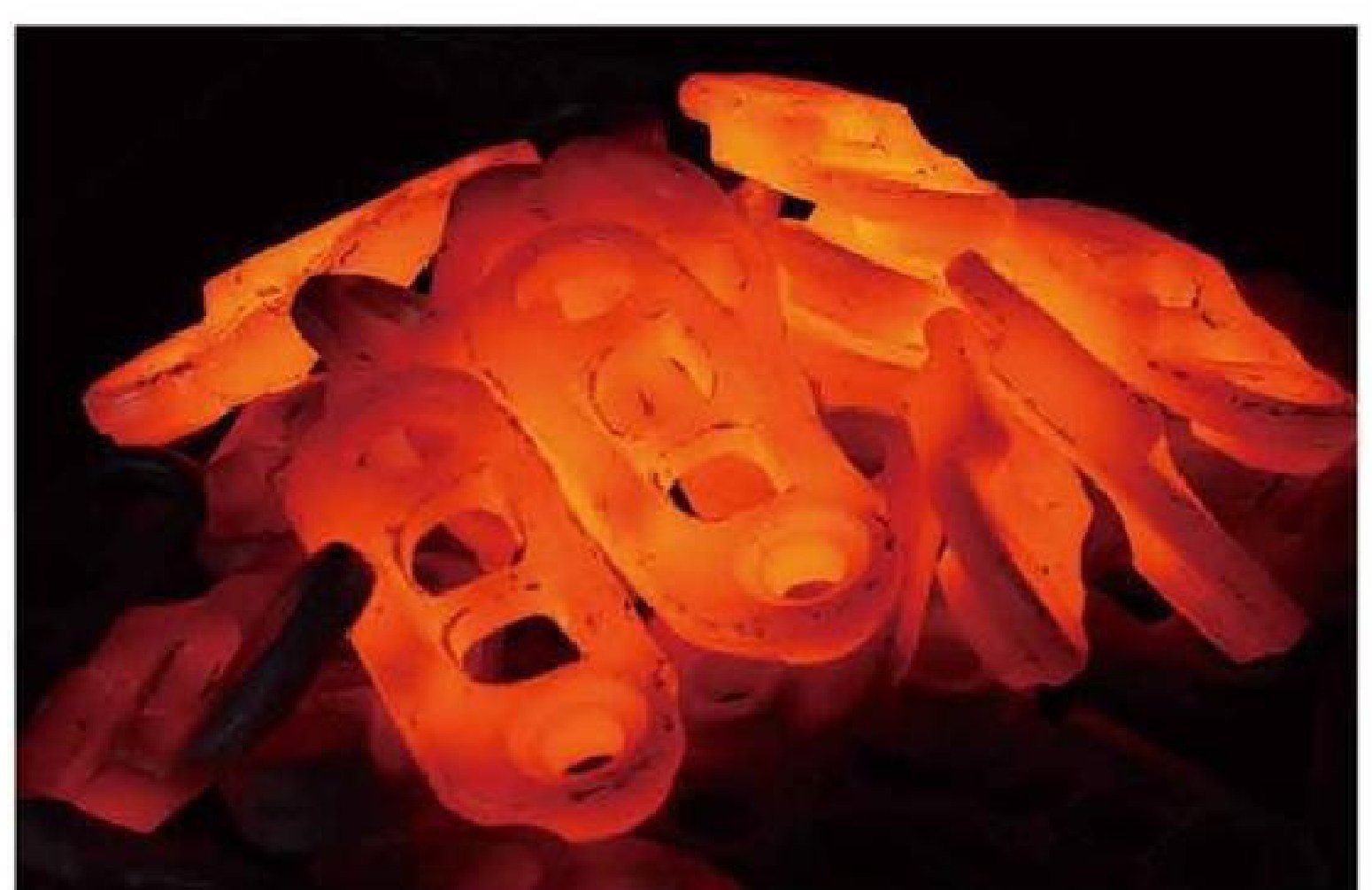
Forged teeth and forged wear components carry a denser grain flow than cast equivalents and are specified for high-impact, hard-rock service; cast teeth suit general earthmoving. The process is a design decision, not a cost-saving decision. Heat treatment separates a hard surface from a hard surface with a tough core, verified in a laboratory rather than asserted in a brochure.
Budget the lead time, not the unit price
Higher-specification size classes run 30 to 40 days from Chinese joint-venture plants, and the window is widening. Buyers who lock in long-lead items for the next two quarters are buying against a documented supply risk rather than a spot price. Place consumable orders before the fleet has accumulated its first 500 hours.
Check the parts actually fit before committing volume
Compatibility is where undercarriage sourcing gets complicated, and the reasons are mechanical rather than administrative. Systems vary by machine model, track shoe width, pitch and link design; a roller or idler a few millimetres off in diameter or width produces uneven track tension, accelerated wear or track shedding (source: Kensetsu Buhin, June 2026). The same applies on the GET side: tooth, adapter, pin and retainer form one system, and a mismatch shows up as a loose tooth or an early-wearing adapter. Ask for a dimensional check against your part number.
Price the wear, not the part
Cost per hour is the only comparison that survives contact with a maintenance budget. A well-maintained 20-ton undercarriage runs roughly 4,000 to 6,000 hours; against a rebuild figure of USD 11,000 over 5,000 hours that is about USD 2.20 per hour at base, rising past USD 5.50 per hour on 45-ton machines in abrasive duty (source: Jiuming cost analyses). Bucket teeth in hard rock run 250 to 1,000 operating hours, general excavation nearer 1,400 (source: CMPartsCN; 360 Research Reports). Multiply the interval by the fleet count, and the number becomes the only figure that matters.
Where Siderwin Sits in This Market
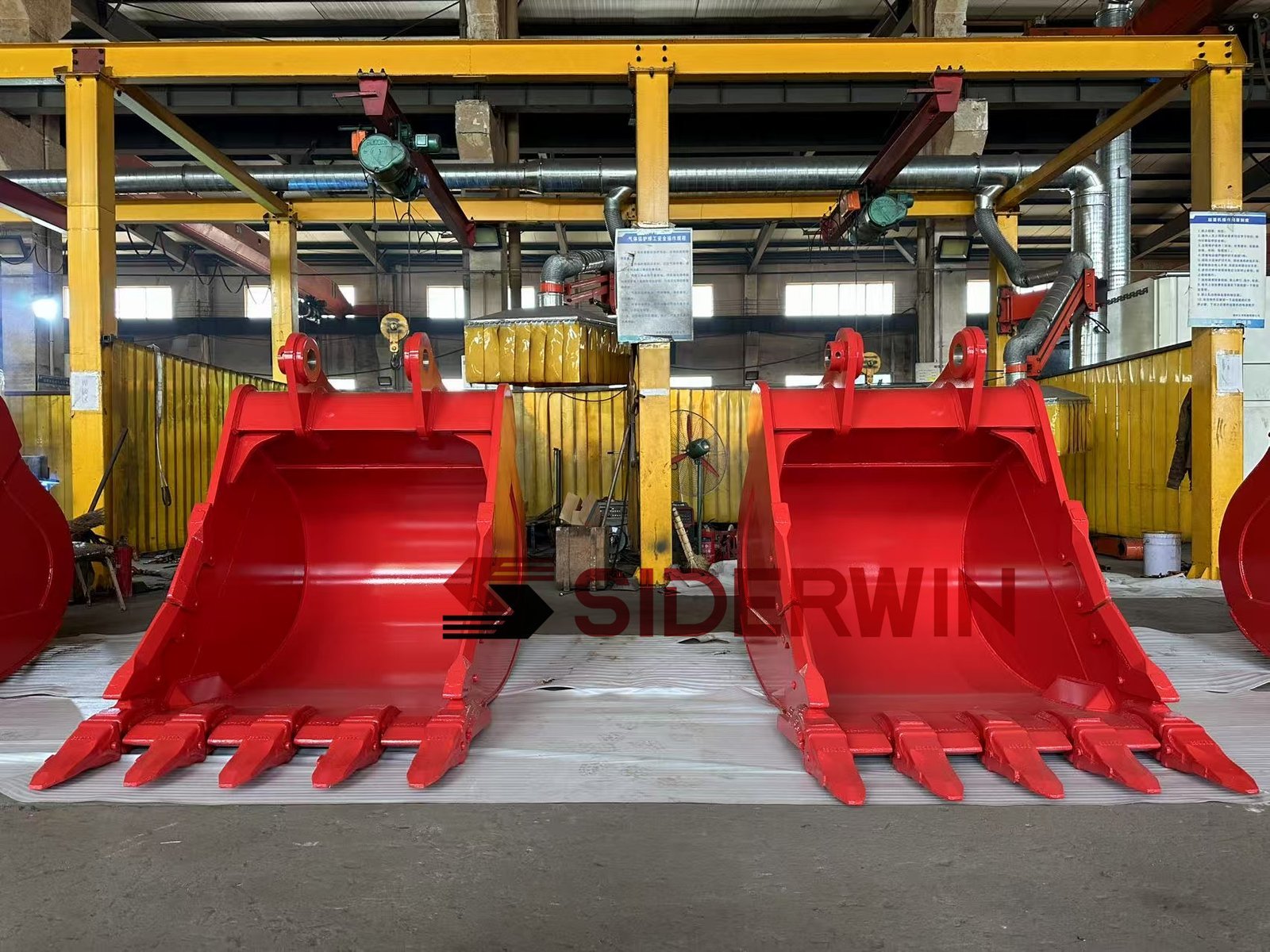
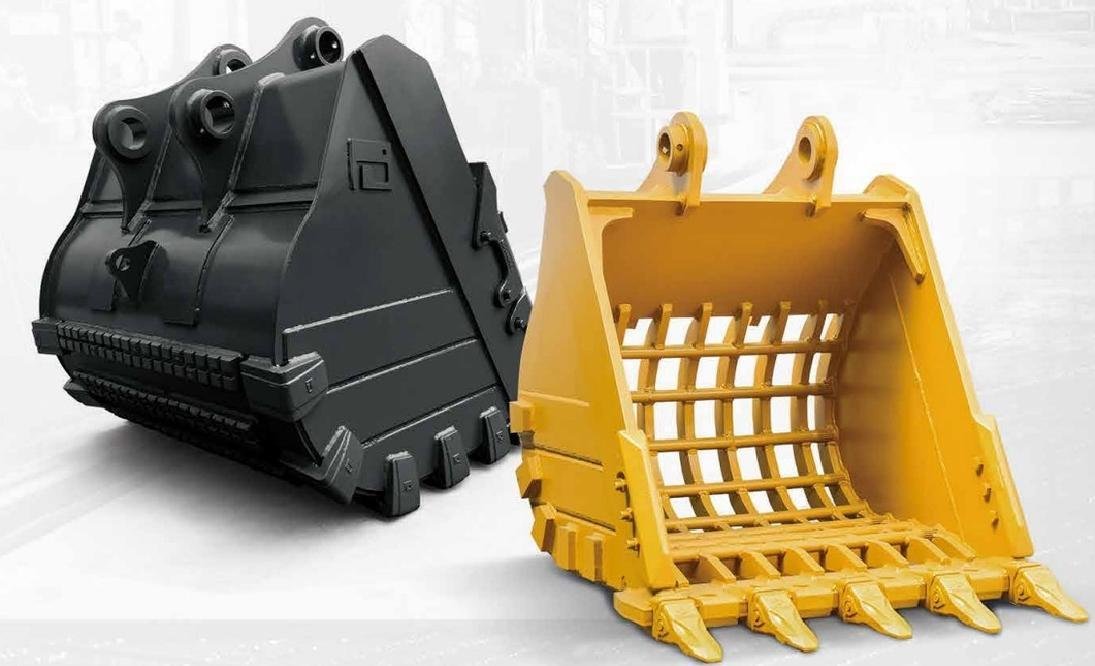
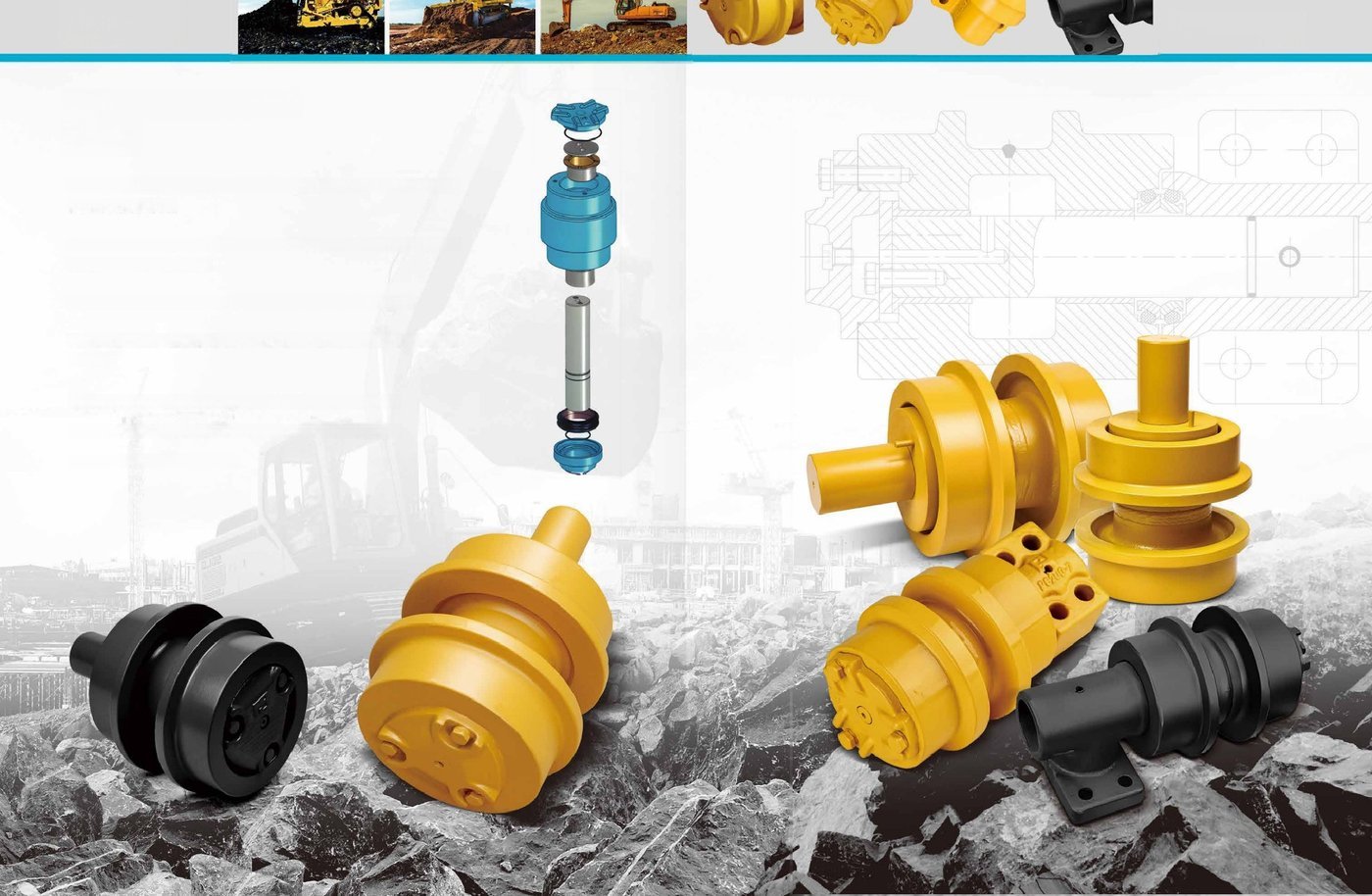
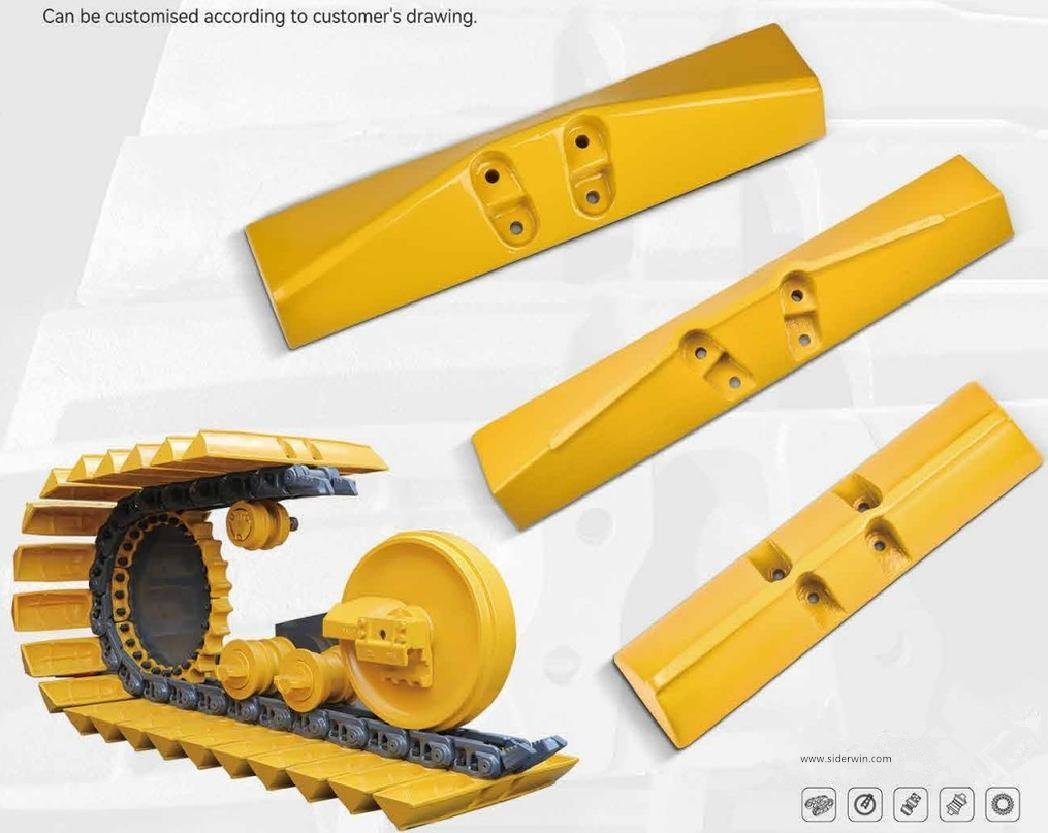
Hunan Siderwin Construction Machinery Co., Ltd manufactures the full range of wear parts in question — track link assemblies, track shoes, swamp and crane track shoes, front idlers, sprockets and segments, track rollers and carrier rollers, plus the ground engaging tool range of bucket teeth, adapters, pin locks, retainers, cutting edges and complete excavator buckets — together with piling foundation tools including drilling buckets, core barrels, augers, cleaning buckets, bullet teeth with holders, roller bits and wear blades.
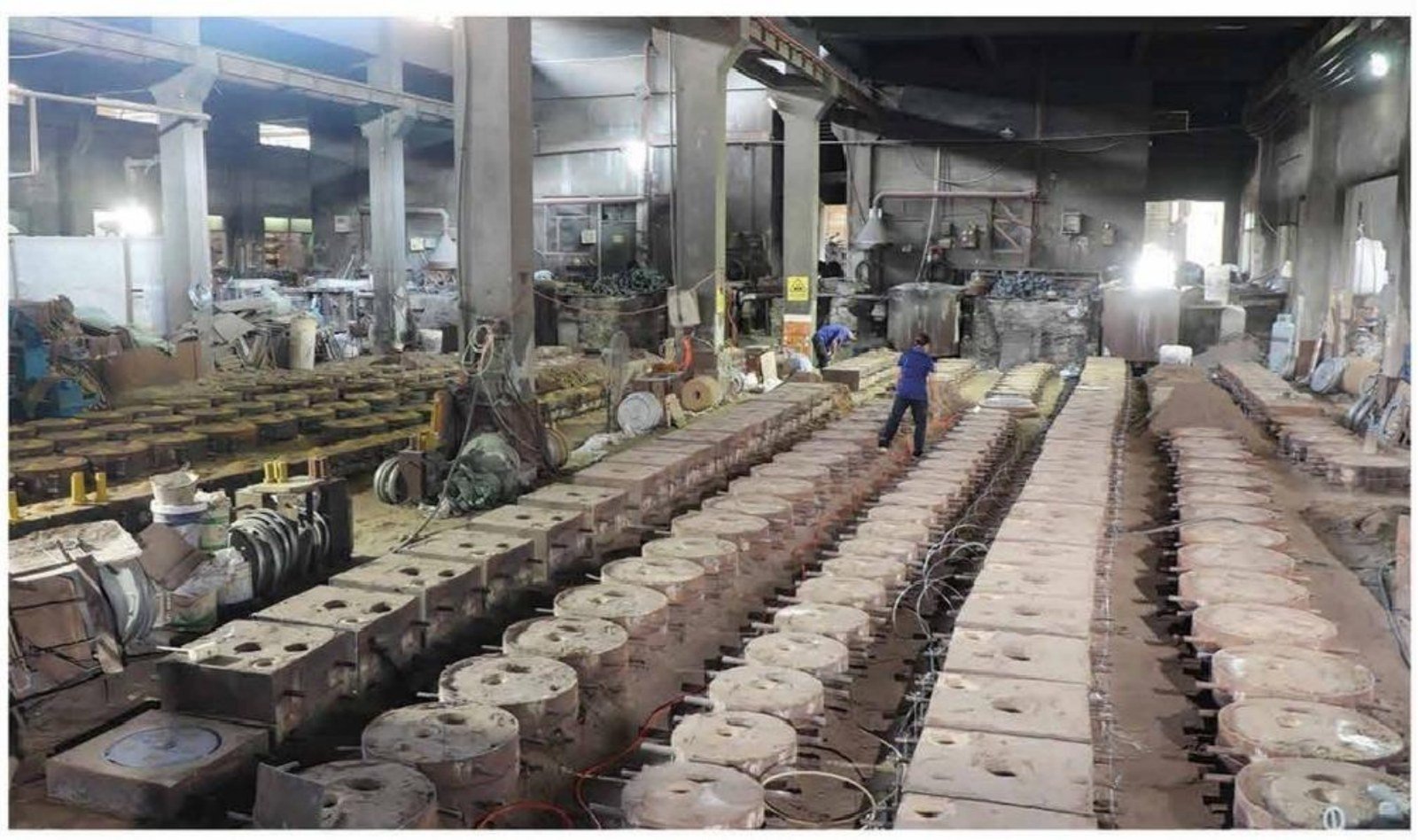
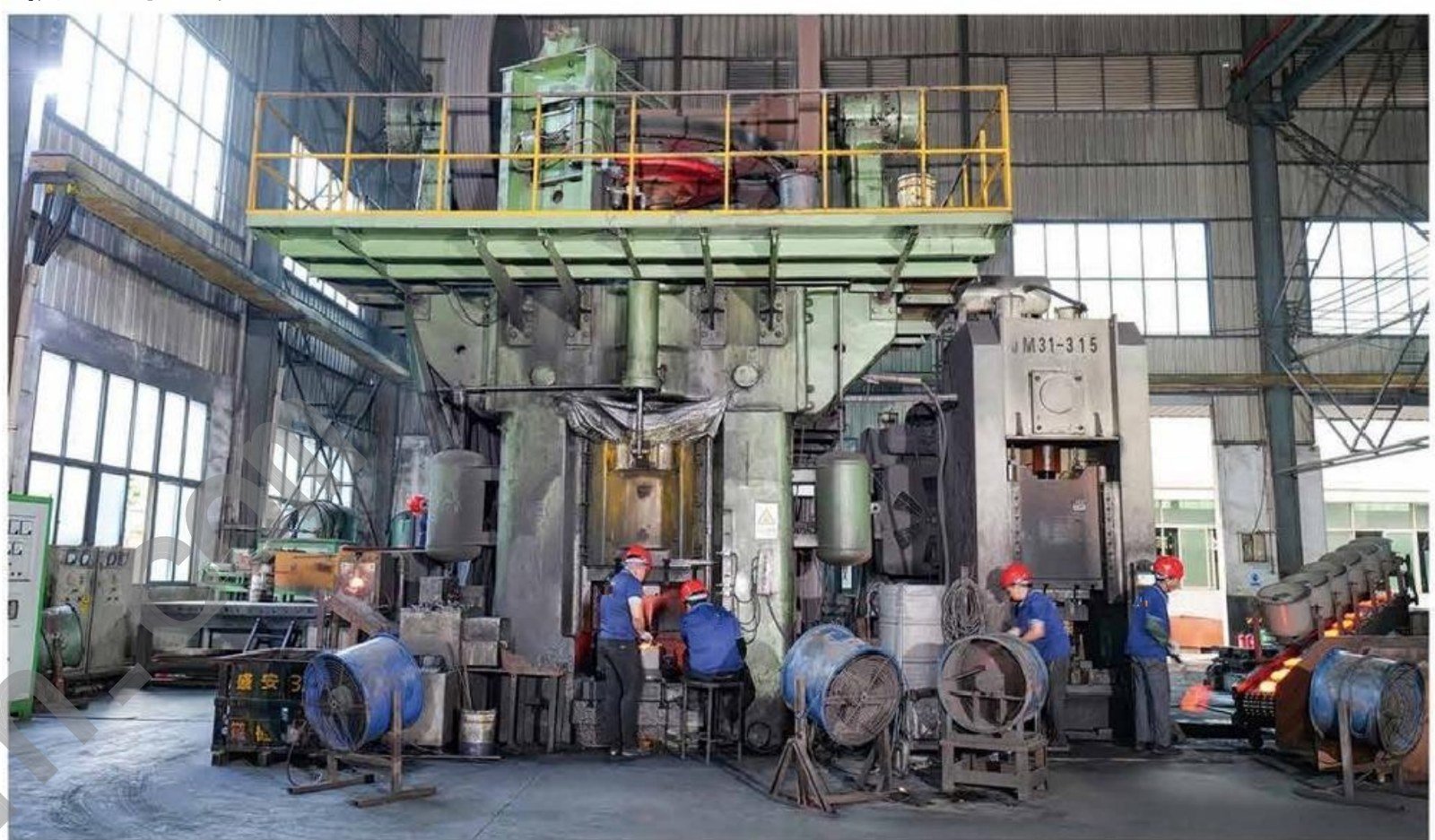
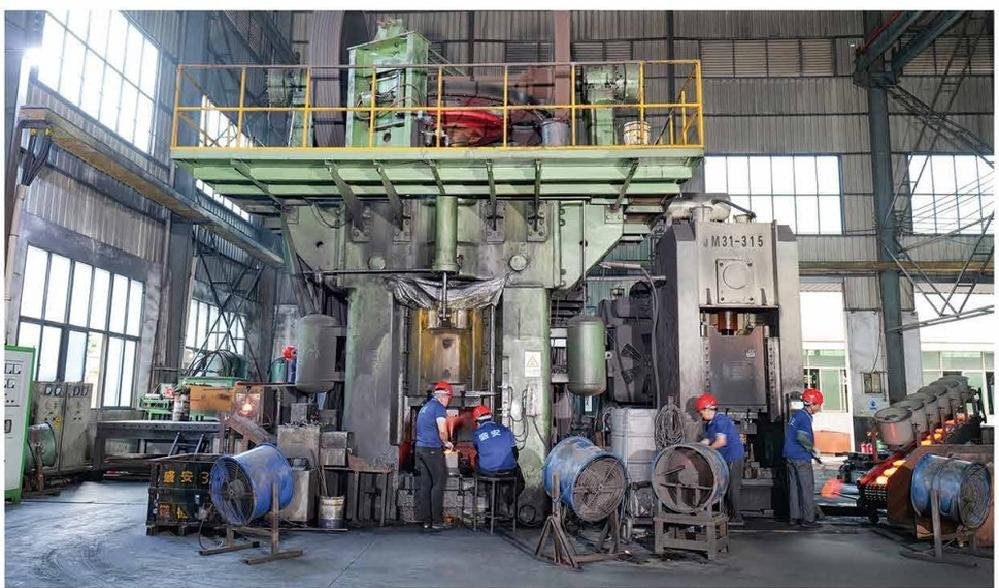
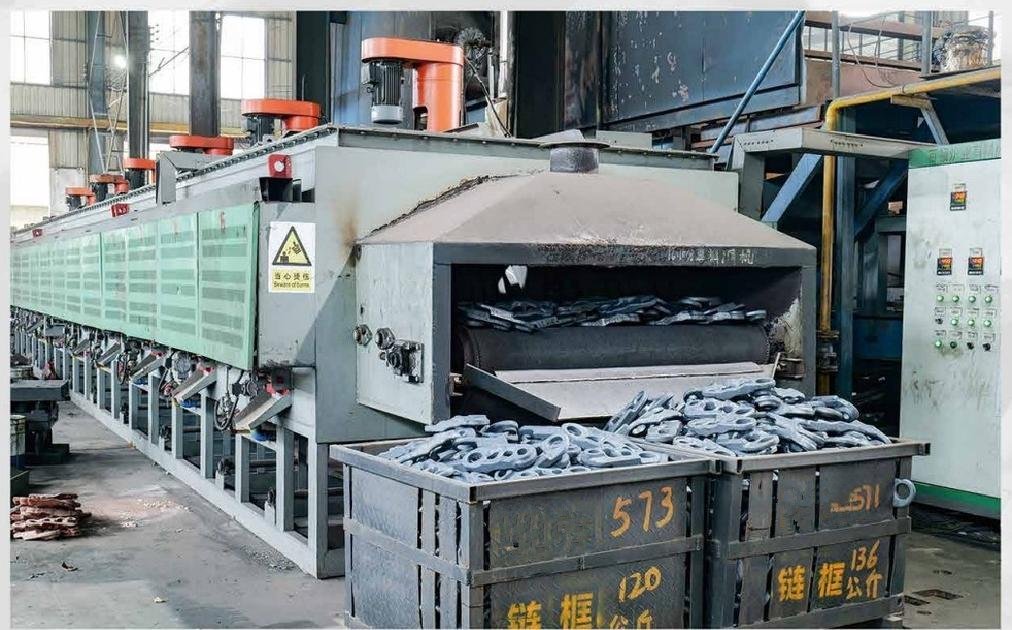
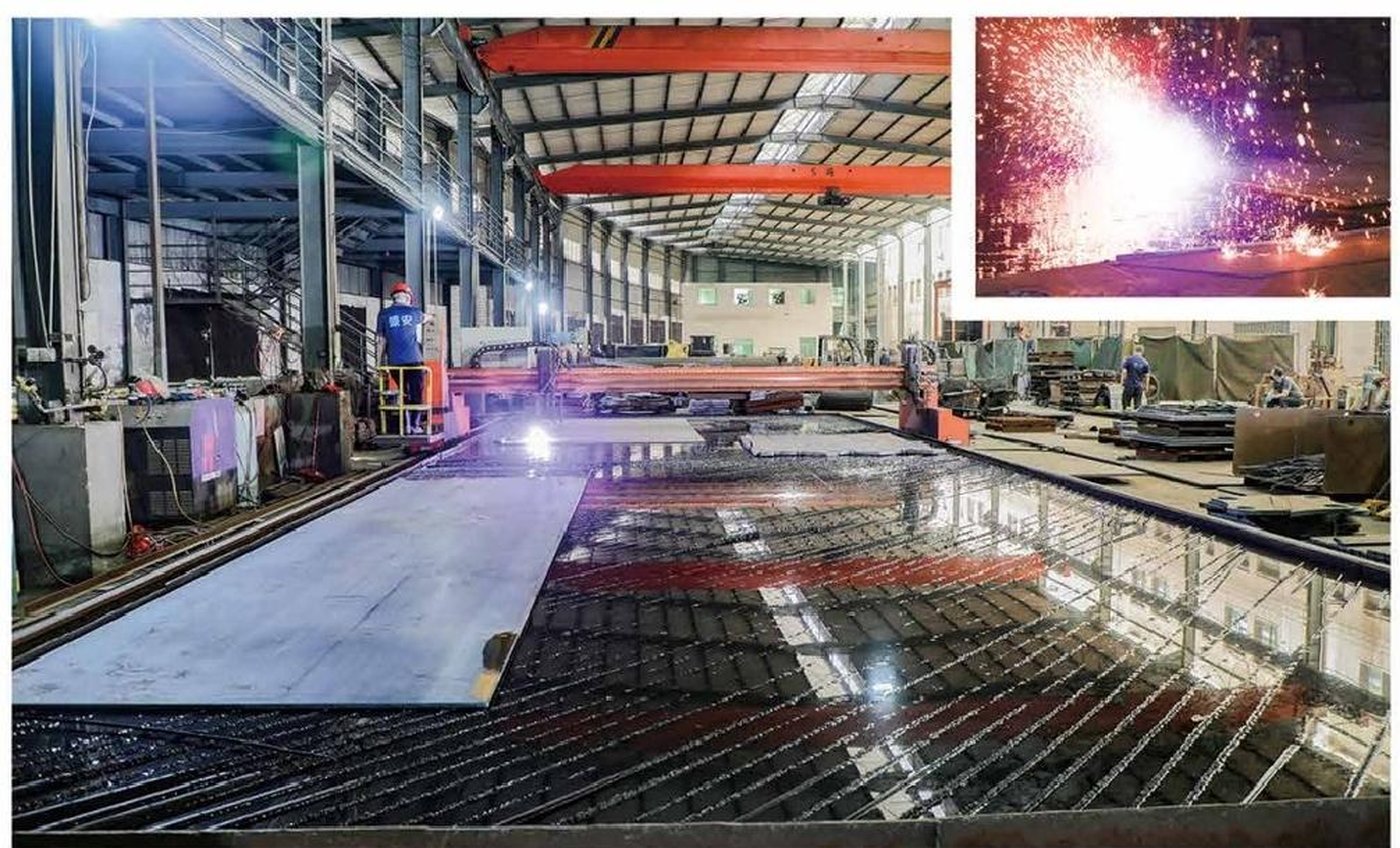
The manufacturing position behind that list is what determines the answers above. The plant in Liuyang runs laser cutting, robotic welding and automatic surface treatment, with a 4,000-ton forging line, in-house heat treatment and a physico-chemical laboratory for hardness, impact and metallographic testing. The company has long-term cooperation with SANY, Sunward and Zoomlion, and exports to more than 20 countries. Standard catalogue items ship in 0 to 7 days, customised designs in 7 to 15 days.
What the market conditions of 2026 add is not new capability but a sharper use for it. When exports run ahead of domestic sales and the aftermarket takes the majority of wear consumption, the deciding factor is not whether a factory can make the part. It is whether that factory can make it again, to the same hardness band, with a test report, twelve months later.
Send the machine model, the part numbers and the application, and we will come back with the specification, the price and the lead time — and the test documentation that supports them. info@siderwin.com | WhatsApp/Tel: +86 181 4265 7536 | www.siderwin.com
Contact Hunan Siderwin Construction Machinery Co., Ltd
Undercarriage parts, bucket teeth, adapters, cutting edges and piling foundation tools
Email: info@siderwin.com | WhatsApp/Tel: +86 181 4265 7536 | Web: www.siderwin.com